
Introduction
Achieving optimal health and well-being in your 30s and beyond can feel like an overwhelming challenge. You may have tried various fitness routines, nutrition plans, and even supplements, only to face the same hurdles over and over again. The truth is, hormone imbalances, stress, and poor gut health could be standing in your way, preventing you from reaching your peak performance. But don’t worry, there’s hope.
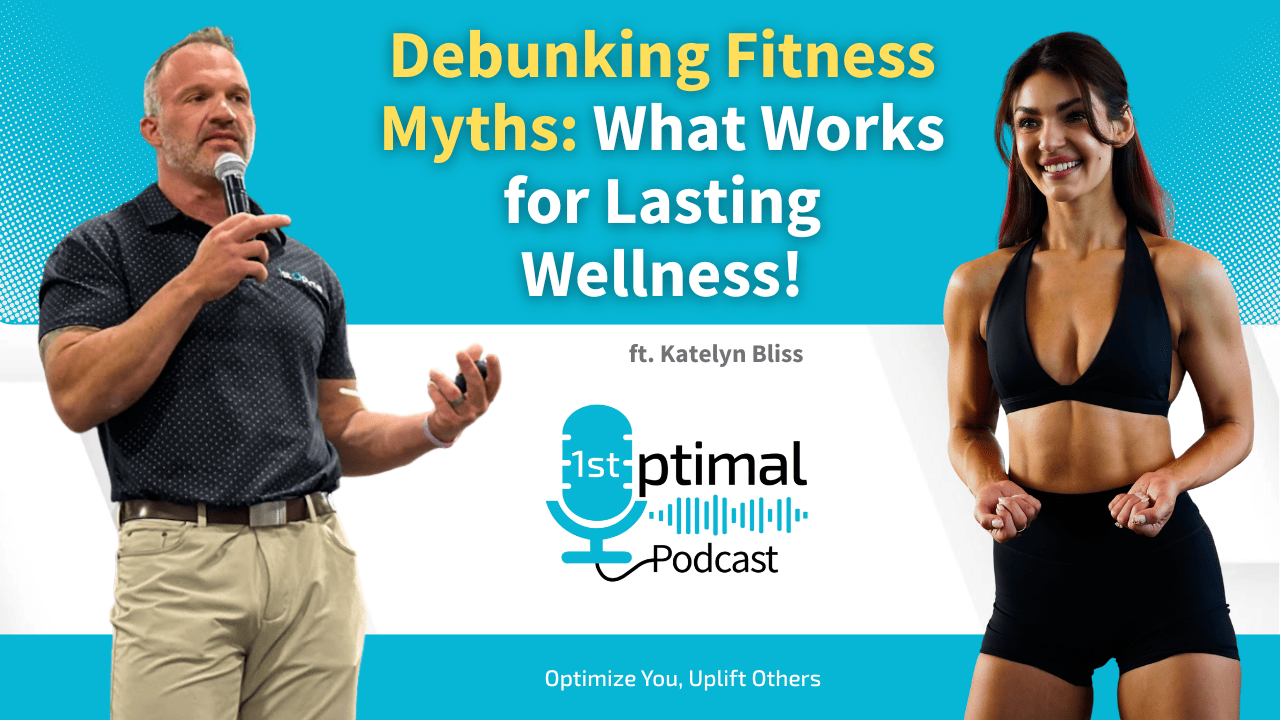
In this blog post, we’ll explore how personalized hormone optimization strategies can help you break through the barriers holding you back, regain your energy, and reach your full potential. During our latest 1st Optimal Podcast episode, we spoke with Katelyn Bliss, a specialist in functional health and performance coaching. Katelyn shared her journey from struggling with yo-yo dieting and intense training to discovering the sustainable health practices that changed her life. We’ll dive into her insights, as well as evidence-based strategies that focus on hormone optimization, gut health, and tailored coaching.
At 1st Optimal, we focus on personalized health optimization strategies designed to help high-achieving individuals, especially women, improve their energy, lose stubborn weight, and regain their sense of vitality. In this blog post, we’ll dive into the powerful impact of hormone optimization, gut health, and targeted health coaching and how they can help you break free from frustration and achieve long-lasting results.
What is Hormone Optimization?
Hormone optimization involves balancing key hormones in the body to improve overall health. This is especially important for individuals navigating hormonal changes like menopause, perimenopause, or stress-related hormone imbalances. It can also help high-performing professionals recover from years of chronic stress or burnout.
Key Hormones to Focus On:
- Testosterone: Essential for muscle mass, strength, and energy levels.
- Estrogen: Vital for bone health, mood regulation, and overall vitality.
- Thyroid Hormones: Control metabolism and energy levels.
- Cortisol: The stress hormone, crucial for stress management and immune function.
Latest Research on Hormone Optimization:
Hormone optimization has grown beyond simple replacement therapy to include cutting-edge treatments such as bioidentical hormone therapy (BHRT) and peptide therapy. Research suggests that bioidentical hormones closely mimic the body’s natural hormones, resulting in fewer side effects compared to synthetic alternatives . Additionally, peptide therapy has shown promise in improving hormonal balance and supporting muscle regeneration
Hormone replacement therapy (HRT), combined with targeted supplements and lab testing, can help you feel balanced, energized, and youthful again.
The Role of Lab Testing in Personalized Health Plans
Lab testing is the cornerstone of any effective health optimization plan. By analyzing blood work, hormone levels, and gut health markers, 1st Optimal provides a comprehensive approach to creating a personalized plan that addresses your unique needs.
What to Expect from Lab Testing:
- Comprehensive Blood Panels: These assess important markers for thyroid function, estrogen, testosterone, and other hormones.
- GI-MAP Testing: A stool sample test that analyzes gut health, revealing issues like leaky gut, food sensitivities, and bacterial imbalances.
- Dutch Testing: A comprehensive test for adrenal function and sex hormones, useful in understanding fatigue and hormonal fluctuations.
These insights allow for a personalized approach to balancing hormones, optimizing health, and achieving long-term wellness.
Case Study: Sarah, a 42-year-old marketing executive, felt constantly fatigued and struggled to lose weight despite regular workouts. After undergoing lab tests at 1st Optimal, it was found that her cortisol and thyroid levels were off-balance. With personalized interventions, including thyroid medication and stress management techniques, Sarah saw significant improvements in energy and fat loss over three months.
Peptides: The Secret Weapon for Performance Health
Peptide therapy is an emerging treatment that can enhance hormone function, increase muscle mass, and improve energy. Peptides such as GHK-Cu are designed to heal the body at a cellular level, offering benefits like faster recovery, fat loss, and improved skin health.
Peptide Benefits Include:
- Fat Loss: Certain peptides stimulate fat breakdown and support lean muscle gain.
- Enhanced Recovery: Peptides promote healing by stimulating collagen production and cell regeneration.
- Increased Energy: Peptides help improve immune function and overall vitality.
Scientific Support for Peptides:
Recent studies show that peptides, particularly GHK-Cu, can enhance tissue repair and reduce inflammation, leading to better muscle recovery post-workout .
How Hormone Imbalances Affect Weight Loss and Fat Loss
Many women over 35 struggle with stubborn weight gain, particularly in the abdominal area, despite diet and exercise. Hormonal shifts, including those during perimenopause and menopause, can drastically affect metabolism, fat storage, and appetite regulation.
The Key Hormonal Players in Weight Loss:
- Insulin: Plays a pivotal role in fat storage; improving insulin sensitivity can help with fat loss.
- Leptin: Regulates hunger and energy expenditure. Imbalances can cause increased hunger and a sluggish metabolism.
- Cortisol: High levels of cortisol due to stress can lead to fat storage, especially around the abdomen.
Understanding how hormones impact your metabolism is essential for creating a weight loss plan that works for your body.
Gut Health: The Connection Between Your Gut and Hormone Health
Your gut health is intimately connected to your hormones. A healthy gut promotes nutrient absorption, balances blood sugar levels, and supports hormone production. Poor gut health can lead to inflammation, sluggish digestion, and even hormonal imbalances.
Gut Health and Hormones:
- Leaky Gut: Can cause systemic inflammation, which disrupts hormone function.
- Gut Dysbiosis: An imbalance of gut bacteria that affects estrogen metabolism and insulin sensitivity.
- HPA Axis Dysfunction: Chronic stress and gut issues can affect the hypothalamic-pituitary-adrenal axis, disrupting cortisol and thyroid hormone production.
Recent Studies on Gut Health:
New research underscores the critical role of gut microbiota in hormone regulation. Studies have shown that an imbalance in gut bacteria can affect the body’s ability to metabolize estrogen, potentially leading to conditions like estrogen dominance .
Regular gut health testing, including the GI-MAP, can help pinpoint issues that need addressing for better overall health.
Creating a Sustainable Health Routine
To experience lasting results, it’s essential to create a routine that fits your lifestyle. Start by focusing on small, sustainable changes rather than drastic overhauls that can lead to burnout.
Key Areas to Focus On:
- Nutrition: Prioritize whole foods, focus on protein intake, and include more vegetables and fruits.
- Exercise: Incorporate strength training to build muscle, increase metabolism, and improve hormone balance.
- Rest: Sleep is vital for hormone regulation and overall well-being. Aim for 7–9 hours per night.
Consistency is key, and the journey to health optimization is a marathon, not a sprint.
Client Story: Emma, a 38-year-old entrepreneur, struggled with weight gain and fatigue despite a strict diet and exercise regime. After following a balanced approach that included personalized nutrition adjustments, strength training, and hormone optimization, Emma lost 12 pounds and gained more energy over 4 months.
Client Success Story: From Yo-Yo Dieting to Sustainable Health
Case Study: Jane, a high-powered executive, struggled with hormonal imbalances, weight fluctuations, and fatigue for years. After working with 1st Optimal, Jane underwent comprehensive lab testing and peptide therapy, along with personalized coaching. Within 6 months, she lost 15 pounds, gained muscle, and felt more energized than ever before without the extreme diets and workouts that once left her exhausted.
Frequently Asked Questions:
Q: What are the signs of a hormone imbalance?
Fatigue, weight gain, mood swings, and difficulty sleeping are common symptoms.
Q: How long does it take to see results with hormone optimization?
Results vary, but many clients notice improvements within 3–6 months.
Q: Can I balance my hormones naturally?
Yes, through diet, exercise, sleep, and stress management, but lab testing and supplements may be needed for personalized support.
Q: What are peptides, and how do they work?
Peptides are small proteins that stimulate cell regeneration and healing, promoting fat loss, muscle gain, and better energy.
Q: Is lab testing necessary for hormone optimization?
Yes, lab testing provides crucial data to customize your treatment plan for optimal results.
Conclusion: Start Your Health Optimization Journey Today
Hormone optimization is not just for those experiencing dramatic changes like menopause, it’s for anyone who wants to feel energized, youthful, and at their best. At 1st Optimal, we provide personalized solutions, including hormone therapy, lab testing, and peptides, to help you achieve your health goals. Start your journey today and unlock your full potential.
Book your Free Health Consult with a 1st Optimal expert today to learn how personalized health optimization can improve your life.
Book your free health consult here
🎙 Enjoyed this conversation with Coach Katelyn Bliss?
🔗 Listen to the full episode on your favorite platform:
🎧 Spotify | Apple Podcasts | Amazon Music | Google Podcasts
📺 Watch it on YouTube: