

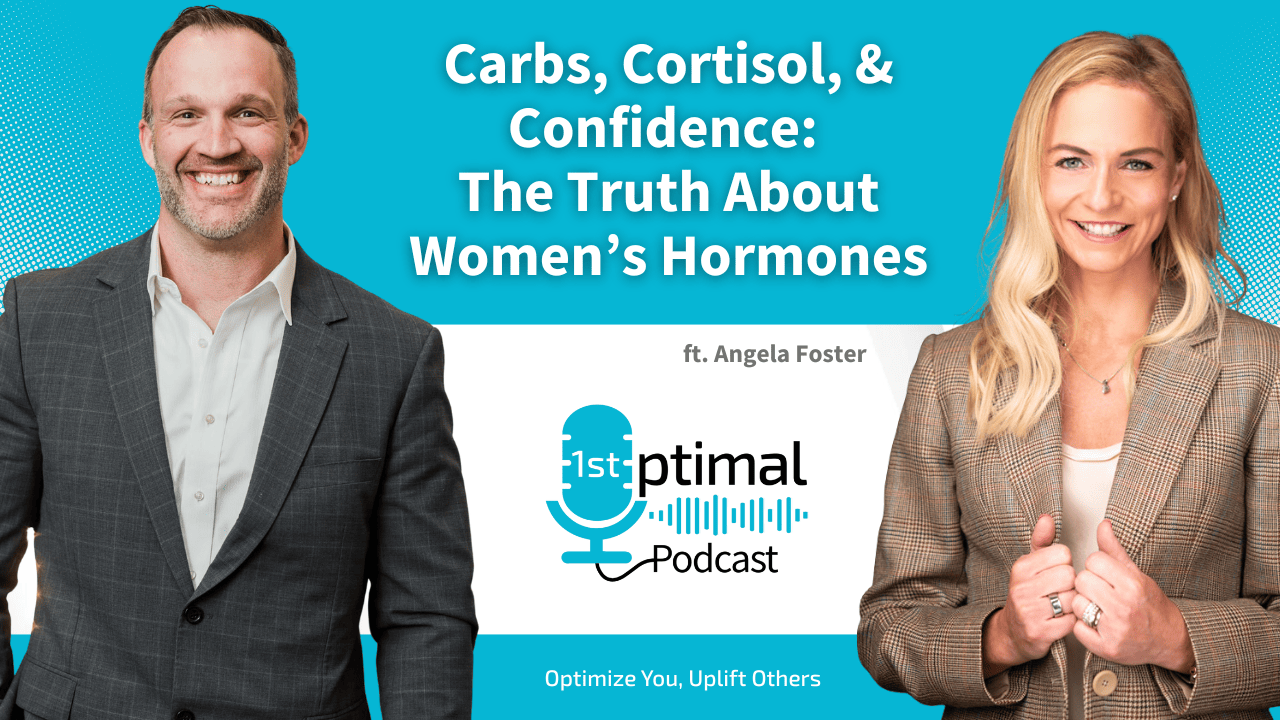
Hormones are powerful messengers within the body, influencing everything from mood and energy levels to metabolism and weight management. For women, these hormones are not only essential for everyday health but also for optimizing performance and longevity. Yet, as women age and go through various life stages like menopause and perimenopause, the body’s hormonal landscape changes dramatically.
In this article, we’ll explore the truth about women’s hormones, how stress affects hormone health, and what practical steps you can take to optimize your health through hormone therapy, functional medicine, and lifestyle changes, featuring insights from health expert Angela Foster.
The Role of Hormones in Women’s Health
Hormones are the body’s chemical messengers, impacting every organ system. They regulate critical functions such as metabolism, growth, and sexual development. For women, hormones also regulate the menstrual cycle, pregnancy, and menopause. The main hormones influencing women’s health are:
- Estrogen: This hormone plays a critical role in female reproductive health and also impacts bone density, cardiovascular health, and the skin.
- Progesterone: Important for regulating the menstrual cycle and supporting pregnancy.
- Testosterone: Though often thought of as a male hormone, women also need testosterone for muscle mass, libido, and bone health.
- Thyroid hormones: These hormones, which include TSH, T3, and T4, regulate metabolism and energy levels.
Hormonal Changes Throughout Life
Hormonal levels fluctuate significantly through a woman’s life, influencing various health outcomes. These fluctuations can be attributed to:
- Puberty: The onset of menstruation marks a significant shift in hormone levels, as estrogen and progesterone increase.
- Pregnancy: The body produces higher levels of estrogen, progesterone, and hCG (human chorionic gonadotropin), which help sustain the pregnancy.
- Menopause: Estrogen and progesterone production decline, leading to symptoms like hot flashes, mood changes, and osteoporosis.
Understanding these natural hormonal changes is critical for managing health at every stage of life.
How Stress Impacts Hormone Levels
Chronic stress is one of the most significant disruptors of hormonal balance. When stressed, the body releases cortisol, the primary stress hormone, which helps manage the body’s fight-or-flight response. However, prolonged periods of high cortisol can wreak havoc on overall health.
Key Impacts of Chronic Stress on Hormones:
- Cortisol and Estrogen Imbalance: Elevated cortisol suppresses the production of estrogen and progesterone, causing menstrual irregularities and other hormonal symptoms.
- Insulin Resistance: High cortisol levels can increase insulin resistance, contributing to weight gain, particularly around the belly.
- Thyroid Dysfunction: Chronic stress can suppress thyroid function, leading to fatigue, weight gain, and slower metabolism.
- Adrenal Fatigue: Over time, the adrenal glands, responsible for cortisol production, can become fatigued, leading to low energy and poor stress resilience.
Signs of Stress-Induced Hormonal Imbalance:
- Chronic fatigue
- Mood swings and anxiety
- Weight gain, particularly in the abdominal area
- Difficulty concentrating or brain fog
Hormonal Imbalances and Their Effects on Performance
Hormonal imbalances can affect both physical and mental performance. Women, especially those juggling multiple responsibilities, often experience these imbalances due to factors like stress, poor sleep, and poor diet. Some of the key symptoms of hormonal imbalance include:
1. Weight Gain and Inability to Lose Fat
When estrogen and progesterone levels drop, women often experience weight gain, especially around the abdomen. This is linked to cortisol levels, which, when elevated for long periods, can lead to increased fat storage.
- Insulin Resistance: As discussed, cortisol affects insulin, promoting fat storage and making it more difficult for women to lose weight.
- Slower Metabolism: Thyroid imbalances, often due to chronic stress, can slow down the metabolism, making it harder to burn calories.
2. Fatigue and Low Energy
Estrogen, progesterone, and testosterone all play a role in maintaining energy levels. As these hormones fluctuate or decline, women often feel drained and less motivated to exercise or engage in daily tasks.
- Fatigue from Hormonal Decline: The perimenopausal and menopausal phases are especially marked by chronic fatigue due to the natural decline in estrogen and progesterone.
- Brain Fog: Low estrogen can impair cognitive function, leading to poor concentration, difficulty recalling information, and decreased productivity.
3. Decreased Athletic Performance
Hormonal changes can affect a woman’s ability to build muscle, recover from exercise, and maintain performance. Testosterone is critical for muscle mass, and a decline in this hormone can reduce strength, leading to poor performance in weight training and resistance exercises.
- Muscle Mass Loss: Without adequate testosterone, muscle recovery and growth can be slowed, especially as women age and approach menopause.
- Reduced Endurance: Lower estrogen levels can affect cardiovascular fitness, making aerobic exercise more challenging.
Optimizing Your Hormones with Functional Medicine
Functional medicine takes a holistic, personalized approach to hormone optimization. By utilizing advanced lab tests, functional medicine practitioners assess hormone levels and identify imbalances, enabling them to design a tailored treatment plan for each individual.
Key Tests for Hormone Optimization:
- Cortisol Testing: This test assesses the adrenal function and measures cortisol levels throughout the day.
- DUTCH Test: A comprehensive test that evaluates sex hormones like estrogen, progesterone, and testosterone. This test also checks for the metabolites of these hormones, giving a deeper insight into how they are processed in the body.
- Thyroid Panel: A thyroid test can assess key hormones like TSH, Free T4, Free T3, and Reverse T3, helping to identify thyroid imbalances.
- GI-MAP Test: A gut health test that measures inflammation, gut bacteria, and other factors affecting hormone metabolism.
After gathering the results of these tests, functional medicine practitioners can provide personalized treatments including:
- Hormone Replacement Therapy (HRT): HRT can help restore balance by supplementing estrogen, progesterone, or testosterone.
- Peptide Therapy: Peptides can help improve muscle function, skin health, and recovery, all of which are vital for hormonal balance.
- GLP-1 Therapy: GLP-1s help with weight management by enhancing insulin sensitivity and promoting satiety.
Practical Strategies for Balancing Hormones
While hormone therapy and functional medicine testing are essential tools for managing hormone imbalances, lifestyle modifications are just as crucial. Here are several strategies that can help restore hormone balance naturally:
1. Improve Sleep Hygiene
Sleep is essential for regulating hormones like cortisol and melatonin. Aim for 7-9 hours of sleep each night. Creating a bedtime routine, minimizing blue light exposure, and ensuring your room is cool and dark can promote better sleep.
2. Exercise Regularly
Exercise is vital for maintaining hormonal balance. Strength training and cardiovascular exercises like HIIT (High-Intensity Interval Training) can improve insulin sensitivity and promote healthy hormone levels.
3. Manage Stress
Incorporate stress reduction techniques like yoga, meditation, and deep breathing. Reducing stress helps lower cortisol levels and supports a healthier hormonal environment.
4. Eat a Balanced Diet
A nutrient-rich diet supports hormone production and function. Focus on whole foods, healthy fats, lean proteins, and plenty of antioxidant-rich fruits and vegetables. Omega-3 fatty acids, found in fatty fish like salmon, can help reduce inflammation and support hormone health.
FAQs About Hormone Health for Women
1. How can I tell if my hormones are out of balance?
Symptoms of hormonal imbalance include fatigue, weight gain, mood swings, and irregular periods. Lab testing can confirm hormone levels and identify imbalances.
2. What is hormone replacement therapy (HRT)?
HRT supplements estrogen and progesterone to balance hormonal levels, particularly during menopause or perimenopause.
3. Can I balance my hormones naturally?
Yes, through stress management, a healthy diet, regular exercise, and sufficient sleep, you can naturally balance hormones. Functional medicine tests and therapies can further support this process.
4. How does stress affect my hormones?
Chronic stress increases cortisol levels, which disrupts other hormones like estrogen and progesterone, leading to symptoms such as weight gain and fatigue.
5. What tests should I get to check my hormones?
A comprehensive hormone panel, including cortisol, DUTCH, thyroid tests, and GI-MAP tests, can provide insight into hormone imbalances.
Conclusion: Taking Control of Your Health
Balancing hormones is essential for maintaining overall health, energy, and performance. By understanding the role of hormones in your body and taking proactive steps through functional medicine, hormone therapy, and lifestyle changes, you can optimize your health for the long-term.
If you’re experiencing symptoms of hormonal imbalance, don’t wait to get help. Reach out to 1st Optimal today to schedule a consultation and discover the best hormone optimization plan tailored to your needs.
🎙 Enjoyed this conversation with Health Coach Angela Foster?
🔗 Listen to the full episode on your favorite platform:
🎧 Spotify | Apple Podcasts | Amazon Music | Google Podcasts
📺 Watch it on YouTube: