
Questions & Answers
1. What is a carb rotation diet?
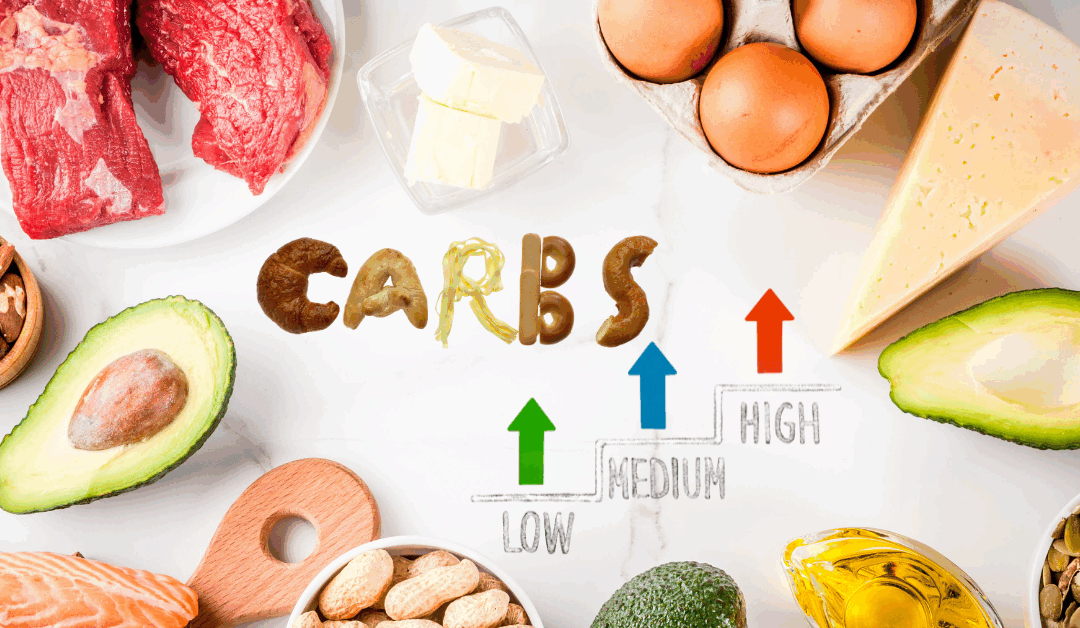
A carb rotation or carb cycling diet alternates high, medium, and low carbohydrate intake days to optimize fat loss, muscle growth, and metabolic function.
2. How does carb cycling work?
It manipulates carbohydrate intake to match energy needs, training intensity, and hormonal cycles, enhancing fat oxidation on low-carb days and performance on high-carb days.
3. What are high-carb days?
High-carb days provide sufficient carbohydrates to fuel workouts, replenish glycogen, and support anabolic hormones like insulin and leptin.
4. What are medium-carb days?
Medium-carb days maintain moderate energy for moderate-intensity training or active recovery.
5. What are low-carb days?
Low-carb days reduce carbohydrate intake to promote fat utilization and metabolic flexibility while maintaining protein and healthy fat intake.
6. Who can benefit from carb rotation diets?
Athletes, fitness enthusiasts, individuals looking to optimize body composition, or those struggling with plateaus benefit from carb cycling.
7. Can carb cycling support fat loss?
Yes, alternating low-carb days promotes fat oxidation, while high-carb days maintain metabolism and performance.
8. Can carb cycling support muscle gain?
High-carb days fuel workouts and replenish glycogen, supporting recovery, protein synthesis, and lean mass accrual.
9. How do I determine my carb intake?
Carb intake is individualized based on body weight, goals, activity level, and metabolism. Functional nutrition guidance is recommended.
10. How do high-carb days affect performance?
High-carb days improve energy availability, strength, endurance, and recovery during intense training.
11. How do low-carb days affect metabolism?
Low-carb days encourage fat utilization and support insulin sensitivity while maintaining energy for daily activity.
12. What is the role of protein in carb cycling?
Protein preserves lean mass, supports recovery, and promotes satiety on all carb days.
13. What is the role of fat in carb cycling?
Fat intake provides energy on low-carb days, supports hormone production, and maintains satiety.
14. How do carb cycling and calorie deficit work together?
Carb cycling allows a moderate deficit while supporting workout performance, reducing metabolic slowdown during dieting.
15. How often should high-carb days occur?
Typically 1–3 times per week, aligned with intense training sessions.
16. Can carb cycling improve insulin sensitivity?
Yes, alternating high and low carb days helps regulate blood sugar and insulin response.
17. Can carb cycling improve energy levels?
Yes, matching carbs to training intensity improves workout performance and daily energy.
18. Can carb cycling help break weight loss plateaus?
Yes, high-carb refeed days boost leptin, thyroid activity, and metabolic rate to overcome plateaus.
19. Is carb cycling suitable for women?
Yes, but hormonal cycles should be considered when scheduling high-carb and low-carb days.
20. Is carb cycling suitable for men?
Yes, men benefit from carb cycling to support fat loss, muscle gain, and metabolic health.
21. How does exercise type affect carb day selection?
High-intensity or strength training days are paired with high-carb intake; rest or low-intensity days use low-carb intake.
22. Can carb cycling improve workout performance?
Yes, high-carb days replenish glycogen for optimal strength, endurance, and recovery.
23. How do I plan my carb rotation schedule?
Plan based on training intensity, activity level, and recovery needs; typically high-carb on heavy training days.
24. Can carb cycling support hormonal health?
Yes, periodic high-carb days support leptin, thyroid function, and metabolic hormones.
25. Can carb cycling improve thyroid function?
High-carb refeed days stimulate T3 production and maintain metabolic rate.
26. Can carb cycling improve gut health?
Yes, dietary variation can support microbial diversity and nutrient absorption.
27. Can carb cycling affect mood?
Stable blood sugar and adequate calories on high-carb days improve mood and reduce irritability.
28. Can carb cycling support fat oxidation?
Yes, low-carb days increase reliance on fat for energy, promoting fat loss.
29. Can carb cycling prevent muscle loss?
Adequate protein and strategic high-carb days maintain muscle mass during caloric deficits.
30. Are there risks with carb cycling?
Over-restriction can cause fatigue, low energy, or hormonal imbalance; proper guidance minimizes risk.
31. Can carb cycling improve body composition?
Yes, strategically balancing carbs, protein, and fat supports fat loss and lean mass preservation.
32. Can I use carb cycling for endurance training?
Yes, timing high-carb days with long or intense workouts enhances performance and recovery.
33. Can carb cycling improve recovery?
High-carb days replenish glycogen, improve protein synthesis, and reduce post-exercise fatigue.
34. Can carb cycling improve leptin levels?
Yes, high-carb days increase leptin, signaling satiety and supporting metabolism.
35. Can carb cycling help reduce cravings?
Yes, planned high-carb days prevent excessive hunger and sugar cravings.
36. How long should a carb rotation diet last?
Protocols typically range 8–16 weeks, adjusted based on goals and results.
37. How do I track macros for carb cycling?
Track protein, carbs, and fat using apps, food logs, or functional nutrition tools.
38. Can carb cycling be combined with intermittent fasting?
Yes, IF can be integrated with carb rotation, aligning high-carb meals with feeding windows.
39. Can carb cycling be combined with a ketogenic diet?
Yes, targeted refeed days can add carbs while maintaining a mostly ketogenic approach.
40. How does carb cycling affect fat loss hormones?
High and low carb days regulate leptin, ghrelin, insulin, and thyroid hormones to support metabolism.
41. Can carb cycling support metabolic flexibility?
Yes, it trains the body to efficiently use both fat and carbohydrate for energy.
42. What foods are recommended for high-carb days?
Whole grains, fruits, starchy vegetables, legumes, and nutrient-dense carbohydrates.
43. What foods are recommended for low-carb days?
Non-starchy vegetables, lean proteins, healthy fats, nuts, and seeds.
44. Can I drink alcohol on carb rotation diets?
Moderate alcohol can be included occasionally, but excessive intake disrupts fat loss and recovery.
45. Can carb cycling affect hydration?
High-carb days increase glycogen storage, which retains water; low-carb days may reduce water weight.
46. Can carb cycling help improve insulin sensitivity long-term?
Yes, alternating carbs and calories supports metabolic health and insulin function.
47. How quickly do results appear?
Energy improvements and performance benefits may be seen within 1–2 weeks; fat loss typically takes 4–8 weeks.
48. Can carb cycling improve adherence compared to traditional dieting?
Yes, dietary variety and planned high-carb days reduce boredom and cravings.
49. Are carb cycling protocols the same for athletes vs non-athletes?
No, athletes require more precise carb timing aligned with training, while non-athletes can follow a simplified version.
50. How do I start a carb rotation diet safely?
Consult a functional nutrition or health coach to calculate macros, plan high/medium/low carb days, and ensure proper nutrient balance.
References:
- Helms, E., et al. Carb Cycling for Fat Loss and Muscle Gain. J Int Soc Sports Nutr. 2014;11:20.
- Garthe, I., et al. Nutrition and Performance: Carb Timing & Cycling. Nutrients. 2013;5(12):4983–4999.
- Harvard Health. Carb Cycling and Metabolic Health
- Schoenfeld, B., Aragon, A. Carb Timing and Performance. J Sports Sci. 2018;36(16):1883–1890.
- Functional Medicine Review. Carb Cycling for Fat Loss
- NIH. Insulin Sensitivity & Carb Rotation
- Sports Medicine. Effects of Carb Cycling on Body Composition. 2016;46:953–965.
- Precision Nutrition. Carb Cycling Guide
- Examine.com. Carb Cycling Overview
- WebMD. Carb Cycling for Weight Loss
About Us
1st Optimal is a functional medicine and performance health clinic dedicated to helping high-achieving adults optimize hormone health, weight, energy, and longevity.
Founders:
- Joe Miller – Expert in functional medicine, hormone optimization, and health coaching. Follow Joe on Instagram
- Amber Miller – Operational leader specializing in patient experience, clinic growth, and holistic health. Follow Amber on Instagram
At 1st Optimal, we combine advanced diagnostics, personalized protocols, and coaching partnerships to deliver sustainable health results for midlife adults.
Next Steps:
Ready to optimize your metabolism, performance, and body composition with carb rotation? Book a personalized health consult today to create a high/medium/low carb day plan, track macros, and optimize fat loss and muscle gain.