
Hair loss can be a concerning side effect during rapid weight loss, particularly when peptides, hormones, and performance optimization treatments are part of the equation. One of the most common causes of temporary hair loss during this time is telogen effluvium, a condition where more hair than usual enters the shedding phase. While telogen effluvium can be temporary, it’s important to understand its causes and implement a plan to minimize hair loss during periods of intense weight loss.
In this guide, we’ll dive into how peptide-based weight loss protocols can trigger telogen effluvium and how you can prevent it with proper management, hormonal balance, and nutrient support. Learn what you can do to maintain healthy hair during your weight loss journey.
What is Telogen Effluvium?
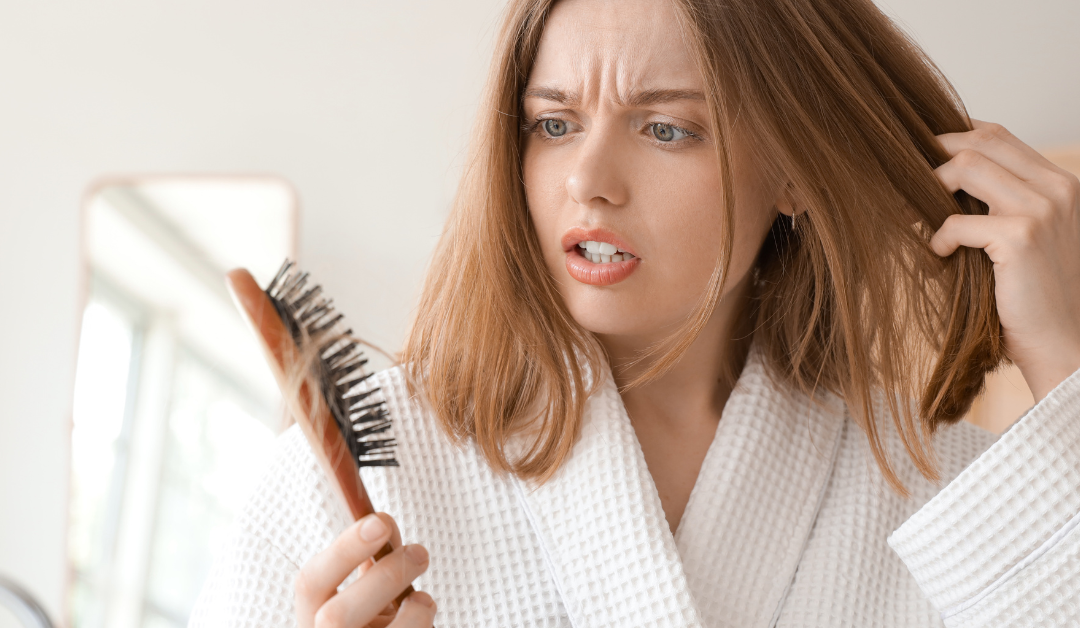
Telogen effluvium is a condition where the hair prematurely enters the shedding phase of its growth cycle. While hair naturally sheds daily, stress, trauma, or drastic changes in the body can trigger a higher-than-normal rate of shedding. In the case of rapid weight loss, this condition can arise as a response to changes in nutrition, hormones, or metabolism.
Telogen effluvium often resolves itself once the underlying cause, such as a nutrient deficiency or stress, is addressed. However, it can cause temporary thinning or excessive shedding, which can be frustrating for individuals working toward achieving a leaner, healthier body.
Why Does Rapid Weight Loss Lead to Telogen Effluvium?
Rapid weight loss, especially through aggressive protocols like peptide therapies or extreme calorie restrictions, can significantly affect hair growth. The primary reasons include:
- Nutrient Deficiencies: Rapid weight loss may lead to a deficiency in vital nutrients required for hair growth, such as iron, vitamin D, biotin, and zinc.
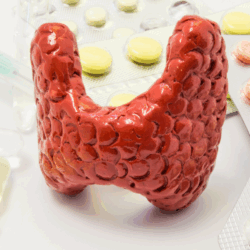
- Hormonal Fluctuations: Weight loss can impact hormone levels, particularly thyroid hormones, cortisol, and estrogen, which play a crucial role in hair health.
- Stress Response: Both physical stress from dieting and emotional stress from the pressure to lose weight can contribute to telogen effluvium.
- Calorie Restriction: Severely restricting calories can signal the body to enter a survival mode, prioritizing essential functions over non-essential ones like hair growth.
Understanding these factors is the first step in preventing hair loss during your weight loss journey.
How Peptides Impact Hair Growth During Weight Loss
Peptide therapies are increasingly popular for weight loss, fat-burning, and metabolic optimization. While peptides like GLP-1 analogs are effective for weight loss, they can also impact the body in ways that may contribute to hair loss. Peptides influence hormonal balances, insulin sensitivity, and fat metabolism, but they also interact with the body’s stress response and nutritional requirements—both of which are key factors in hair health.
How peptides affect hair health:
- Hormonal Modulation: Peptides, especially growth hormone-related ones, can alter hormone levels, including thyroid hormones, which are crucial for hair growth.
- Nutrient Demands: The rapid breakdown of fat and muscle tissue during peptide-based weight loss protocols increases the body’s nutrient needs, which can leave the hair follicles without enough nourishment.
- Stress and Cortisol: Weight loss through peptide therapy can elevate cortisol levels, which is known to disrupt the hair growth cycle and lead to shedding.
The Hair Loss Protocol: Preventing Telogen Effluvium
Hormonal Balance and Peptide Integration
One of the key ways to prevent telogen effluvium during rapid weight loss is to ensure that hormonal levels remain balanced. This includes:
- Testosterone and Thyroid Health: Low testosterone or thyroid imbalances are common during weight loss and can worsen hair shedding. Integrating testosterone replacement therapy (TRT) or thyroid hormone optimization can help maintain normal hair growth cycles.
- Managing Cortisol Levels: High cortisol levels can negatively affect hair growth. Peptides and other weight loss treatments should be balanced with stress management strategies, including mindfulness, meditation, and relaxation techniques.
Nutrition Strategies to Support Hair Health
Maintaining a nutrient-dense diet during weight loss is essential for protecting hair health. Key nutrients to focus on include:
- Biotin: A deficiency in biotin can contribute to hair thinning. Consider adding biotin-rich foods like eggs, almonds, and sweet potatoes.
- Zinc and Iron: These minerals play a crucial role in hair follicle health. Low iron levels are a common cause of hair loss. Red meat, spinach, and beans are excellent sources.
- Vitamin D: A deficiency in vitamin D is linked to hair loss. Ensure adequate sun exposure and consider vitamin D supplementation if needed.
- Essential Fatty Acids: Omega-3s from fish and flaxseed help to maintain scalp health and promote hair growth.
Consider personalized lab testing to ensure that you’re not deficient in these essential nutrients, especially if you’re undergoing rapid weight loss through peptides or hormone therapy.
Stress Management During Weight Loss
Stress is one of the most common triggers for telogen effluvium. Implementing stress management practices during weight loss is crucial for maintaining hair health. Consider the following approaches:
- Mindfulness Practices: Regular meditation and yoga can help reduce cortisol levels and stress.
- Sleep Optimization: Prioritize 7-9 hours of restorative sleep every night to support overall health and hair regrowth.
Optimizing Gut Health for Hair Regrowth
The gut-skin-hair connection is undeniable. Inflammation, dysbiosis, or gut health imbalances can exacerbate hair loss. Probiotic-rich foods or supplements, along with a high-fiber diet, can help support a healthy gut and prevent further hair shedding.
Real-World Success Story: Preventing Hair Loss During Weight Loss
Let’s look at an example of a 45-year-old female client who followed a peptide-based weight loss protocol. Despite rapid fat loss, she was concerned about the onset of telogen effluvium. By integrating hormonal optimization, personalized nutrient support, and stress-reducing activities, her hair remained thick and healthy throughout the process. Regular lab tests helped ensure she wasn’t lacking essential vitamins or minerals, and the use of peptides did not lead to excessive hair shedding.
Lab Tests and Supportive Treatments for Hair Health
Several lab tests can help you identify underlying causes of hair loss and optimize your weight loss efforts:
- Thyroid Function Tests: To ensure your thyroid is functioning optimally.
- Hormonal Panels: Testing for testosterone, estrogen, and cortisol to maintain balance.
- Nutrient Deficiency Tests: To identify deficiencies in vitamins and minerals crucial for hair health.
Additionally, incorporating peptide therapy, HRT, and gut health optimization can provide the necessary foundation for healthy hair growth during weight loss.
FAQs About Telogen Effluvium and Peptide Weight Loss
- Can telogen effluvium be reversed during weight loss?
Yes, once the underlying cause (e.g., nutrient deficiency, hormonal imbalance) is addressed, hair can start growing back within a few months. - Are peptides safe for preventing hair loss?
Peptides are generally safe but should be used with proper monitoring of hormone levels, stress, and nutrition. - How long does hair shedding last during telogen effluvium?
Hair shedding typically lasts for about 3-6 months, but once the root cause is addressed, it resolves. - Can stress be the primary cause of hair loss during weight loss?
Yes, stress from dieting, hormone changes, and lifestyle shifts can contribute to telogen effluvium. - What is the best diet for preventing hair loss during rapid weight loss?
A diet rich in biotin, zinc, vitamin D, and healthy fats, along with sufficient protein intake, supports hair health during weight loss.
Conclusion: Keep Your Hair, Achieve Your Goals
Preventing telogen effluvium during rapid peptide weight loss requires a multi-faceted approach that balances hormonal health, nutrition, stress, and gut function. By integrating the right peptide therapy, addressing nutritional deficiencies, and prioritizing stress management, you can achieve your weight loss goals while maintaining healthy, vibrant hair.
If you’re struggling with weight loss or hair health during peptide therapy, consider booking a personalized health consult with one of our experts. At 1st Optimal, we offer advanced lab testing, hormone optimization, and customized coaching to ensure that your weight loss journey is both successful and sustainable.