
Introduction
Prediabetes is a growing concern in the U.S., with over 96 million adults currently living with the condition. Alarmingly, more than 80% of individuals with prediabetes are unaware of their condition. If left unchecked, prediabetes can progress to type 2 diabetes, which increases the risk of serious complications like heart disease, kidney failure, and even blindness. But here’s the good news: With early detection and intervention, prediabetes can often be reversed or managed, preventing the development of type 2 diabetes.
In this article, we’ll dive into the six crucial signs that could indicate you’re at risk of prediabetes. We’ll also explore the role of functional medicine in preventing and managing the condition, along with lifestyle changes, hormone optimization, and lab testing that can help you stay on track. Whether you suspect you might have prediabetes or want to prevent it in the future, this guide provides practical, evidence-based strategies to optimize your blood sugar health and overall well-being.
What is Prediabetes?
Prediabetes is a metabolic condition in which blood sugar levels are higher than normal but not high enough to be diagnosed as type 2 diabetes. It’s a precursor to diabetes and is characterized by insulin resistance, where the body’s cells become less responsive to the insulin hormone, leading to higher-than-normal blood sugar levels.
As many as 1 in 3 American adults have prediabetes, and it’s estimated that 50% of these individuals will develop type 2 diabetes if they do not take steps to reverse or manage their condition. Prediabetes does not usually have obvious symptoms, which is why many individuals may not even realize they are at risk until their condition has progressed.
6 Early Signs of Prediabetes You Should Know
Understanding the early signs of prediabetes is crucial for taking action before the condition advances. Below are six key warning signs:
1. Unexplained Fatigue
Feeling tired despite a full night’s sleep or after your usual activities may indicate prediabetes. This is because your body is not efficiently using glucose for energy. Instead, your cells are resistant to insulin, causing your blood sugar to remain high, leaving you feeling drained.
- Tip: Improve your insulin sensitivity by focusing on a balanced diet, incorporating regular physical activity, and managing stress levels.
- Related Lab Test: An HbA1c test measures average blood sugar levels over the past two to three months, giving insight into long-term blood sugar regulation.
2. Constant Thirst and Frequent Bathroom Breaks
One of the classic signs of prediabetes is excessive thirst and frequent urination. As your blood sugar rises, your kidneys work overtime to filter out the excess glucose, leading to dehydration and more trips to the bathroom.
- Tip: Stay hydrated, but avoid sugary drinks that can worsen blood sugar fluctuations.
- Related Lab Test: A fasting glucose test can determine how efficiently your body is managing sugar.
3. Blurred Vision
High blood sugar levels can lead to swelling in the eye’s lens, causing blurry vision. If left unchecked, this condition can damage the blood vessels in the eyes, leading to permanent vision issues.
- Tip: Visit an eye specialist regularly to monitor any changes in vision and maintain optimal blood sugar levels.
- Related Lab Test: Eye exams are important for catching early signs of diabetic retinopathy.
4. Always Hungry (Even After Eating!)
If you’re frequently hungry even after eating a meal, it may be because your body is not properly utilizing glucose for energy. As a result, your brain keeps sending hunger signals, leading to overeating and weight gain.
- Tip: Focus on a diet rich in fiber and protein to improve satiety and stabilize blood sugar levels.
- Related Lab Test: Insulin resistance tests can provide insight into whether your body is properly processing glucose.
5. Tingling or Numbness in Extremities
Tingling, numbness, or a burning sensation in the feet, legs, arms, or hands can be a sign of nerve damage (neuropathy) caused by prolonged high blood sugar levels.
- Tip: Pay attention to these sensations and consult a healthcare provider if they persist.
- Related Lab Test: A comprehensive metabolic panel (CMP) can assess kidney function, which may help monitor nerve health.
6. Skin Changes (Acanthosis Nigricans)
Dark patches of skin, especially around the neck, armpits, or groin, could be a sign of insulin resistance. Known as acanthosis nigricans, this condition often accompanies metabolic disorders like prediabetes.
- Tip: Early intervention, including weight loss and dietary changes, can help reduce these skin changes.
- Related Lab Test: Insulin resistance testing can help identify underlying metabolic imbalances.
How Prediabetes Affects Your Health
If not addressed, prediabetes can have serious health consequences, leading to the development of type 2 diabetes, heart disease, and stroke. High blood sugar levels can cause damage to organs, nerves, and blood vessels, increasing the risk of complications like kidney disease, neuropathy, and retinopathy. Additionally, prediabetes is linked to metabolic syndrome, a cluster of conditions (high blood pressure, high blood sugar, excess body fat, and abnormal cholesterol) that increase the risk of heart disease.
- Long-Term Risks: Prediabetes is a red flag that should not be ignored. If left unmanaged, it can quickly lead to type 2 diabetes, which can be difficult to reverse and increases the risk of chronic illnesses.
The Role of Functional Medicine in Diabetes Prevention
Functional medicine offers a personalized, root-cause approach to managing and preventing prediabetes. Unlike traditional medicine, which often focuses on symptom management, functional medicine aims to address the underlying factors that contribute to insulin resistance and blood sugar imbalances. This approach includes advanced lab testing, personalized nutrition plans, and hormone optimization.
- Personalized Care: Functional medicine practitioners utilize tests like DUTCH hormone testing, GI-MAP stool testing, and advanced metabolic panels to create a tailored health plan.
- Supplements and Peptides: Peptides like GHK-Cu and supplements such as berberine can support metabolic health, improve insulin sensitivity, and promote healthy weight loss.
Preventing and Reversing Prediabetes
While prediabetes can be serious, it is largely preventable and reversible through lifestyle changes, medical intervention, and hormone optimization.
Lifestyle Modifications:
- Nutrition: Focus on a diet rich in whole foods, lean proteins, healthy fats, and low-glycemic carbohydrates. Carb cycling can be effective in stabilizing blood sugar.
- Exercise: Aim for at least 150 minutes of moderate exercise per week. Resistance training, high-intensity interval training (HIIT), and walking after meals can significantly improve insulin sensitivity.
- Stress Management: Chronic stress increases cortisol levels, which can negatively impact blood sugar regulation. Practices like mindfulness meditation, yoga, and adequate sleep are crucial.
Medical Interventions:
- Metformin: A common medication for managing blood sugar, often prescribed to individuals with prediabetes to prevent progression to type 2 diabetes.
- GLP-1 Therapy: Medications like liraglutide can help regulate blood sugar levels and reduce appetite.
Supplements and Peptides:
- Berberine: Known for its blood sugar-lowering properties, berberine is often used to improve insulin sensitivity.
- Peptide Therapies: Peptides like GHK-Cu promote tissue repair and reduce inflammation, helping to optimize metabolic health.
Lab Testing and Hormone Optimization for Blood Sugar Management
Proper lab testing is essential to diagnose prediabetes early and track the effectiveness of treatments. Key tests include:
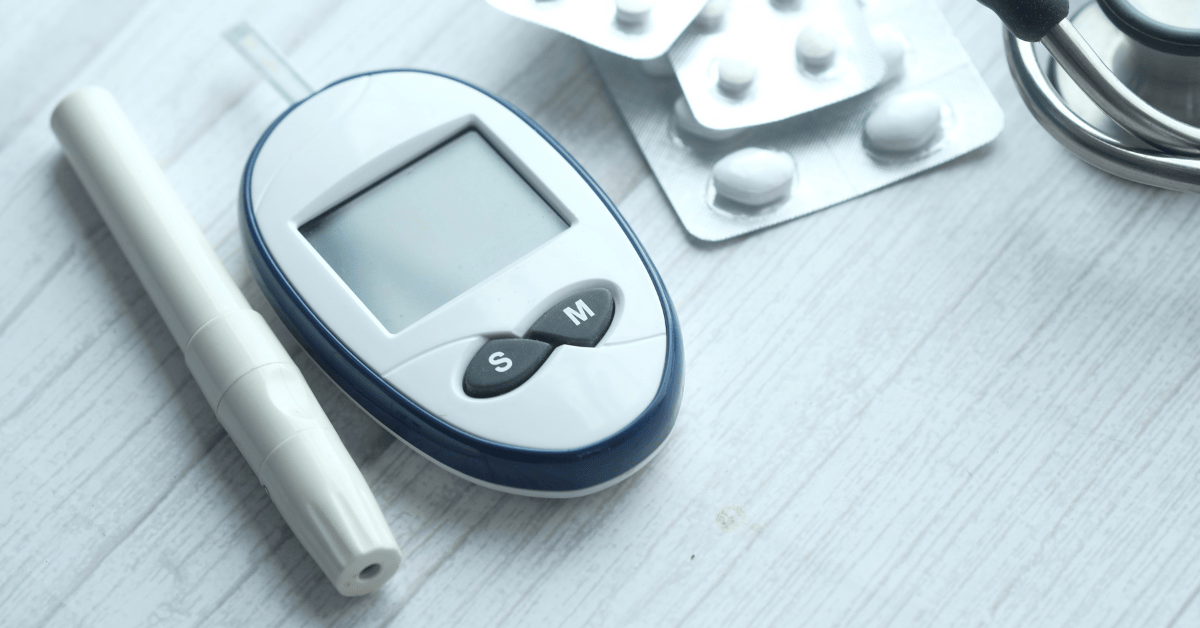
- HbA1c Test: Measures average blood sugar levels over the past 2-3 months.
- Fasting Glucose Test: Assesses current blood sugar levels after fasting for 8-12 hours.
- Insulin Resistance Testing: Tests like HOMA-IR can identify how well your body is responding to insulin.
- DUTCH Test: This comprehensive hormone test measures cortisol, insulin, and other hormones that affect blood sugar regulation.
FAQs:
1. Can I reverse prediabetes?
- Yes, with early intervention, lifestyle changes (diet and exercise), and medical guidance, many individuals can reverse prediabetes or prevent it from advancing to type 2 diabetes.
2. What are the first signs of prediabetes?
- Common signs include unexplained fatigue, frequent thirst and urination, blurred vision, constant hunger, tingling or numbness in the extremities, and dark skin patches.
3. How long does it take to reverse prediabetes naturally?
- With consistent lifestyle changes, many people can see improvements within 3-6 months. This includes adopting a balanced diet, exercising regularly, and managing stress.
4. Do I need medication for prediabetes?
- Medication is not always necessary, but for some individuals, medications like metformin may help prevent progression to type 2 diabetes.
5. What role do hormones play in prediabetes?
- Hormonal imbalances, such as those related to cortisol, thyroid, and sex hormones, can contribute to insulin resistance and blood sugar imbalance. Hormone optimization can improve insulin sensitivity.
Conclusion
Recognizing the early signs of prediabetes is crucial to taking action and preventing the progression to type 2 diabetes. By adopting a healthy lifestyle, seeking medical advice, and utilizing lab testing and hormone optimization, you can regain control of your health and avoid the long-term risks associated with diabetes. Functional medicine, combined with personalized care, provides a powerful approach to reversing prediabetes and optimizing overall metabolic health.
At 1st Optimal, we offer personalized consultations, advanced lab testing, and hormone optimization therapies to help you manage your blood sugar and prevent the onset of type 2 diabetes. Take the first step toward better health today!
Interested in personalized support for prediabetes? Book a free health consultation or take our Blood Sugar Management Quiz to find out how we can help you optimize your blood sugar levels and prevent diabetes.
References:
- CDC National Diabetes Statistics Report, 2023
- NIH: “Prediabetes: A Call to Action”
- PubMed: “The Role of Functional Medicine in Diabetes Prevention”
- NEJM: “Insulin Resistance and Prediabetes”
- American Diabetes Association: “Managing Prediabetes Through Lifestyle Changes”
- NIH: “Hormone Optimization and Blood Sugar Control”
- PubMed: “Peptide Therapy for Metabolic Health”
- Mayo Clinic: “What is Prediabetes?”