
Introduction
In today’s fast-paced world, many women struggle to balance their health goals with the demands of daily life. Whether it’s battling stubborn belly fat, managing hormonal changes, or maintaining energy, it often feels like an uphill battle. But what if the secret to achieving your health goals isn’t just in the workouts or diet plans, but in something fundamental: protein and hormonal balance? In this guide, we will dive into the crucial role protein plays in fat loss, how hormonal imbalances impact your progress, and why a tailored approach is necessary for long-term success.
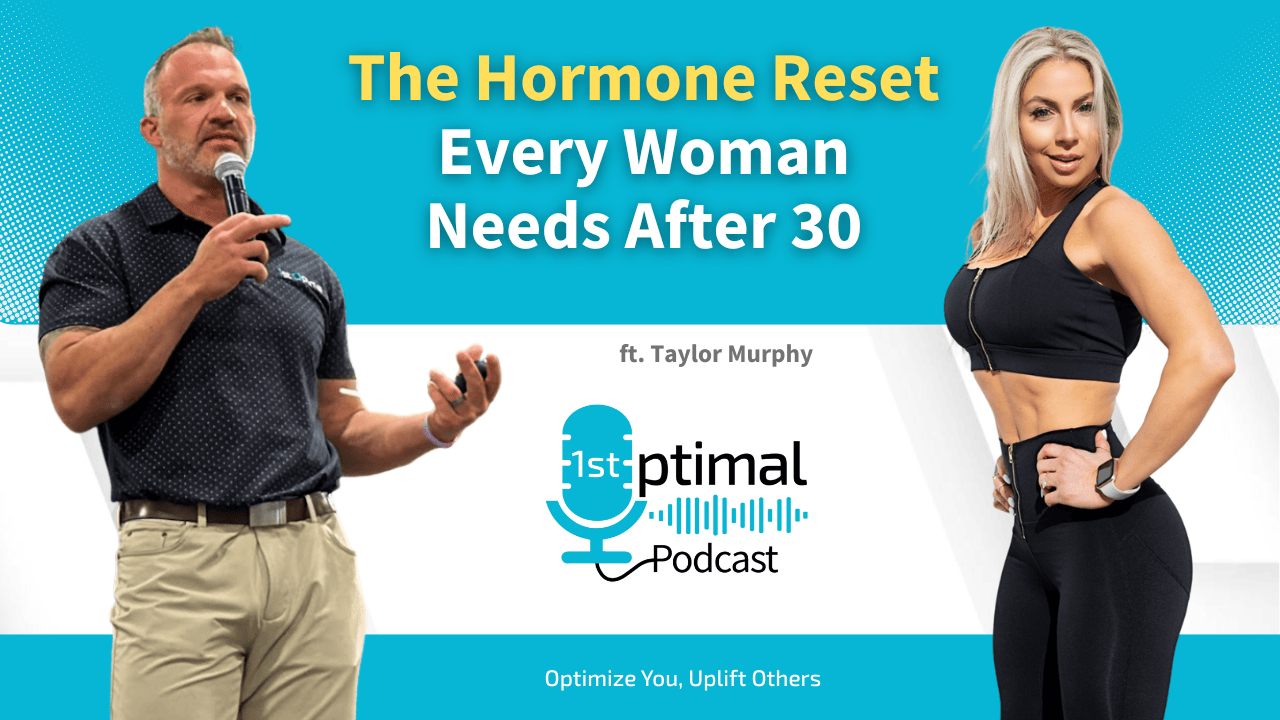
In this article, we will also reference insights shared by Taylor Murphy, a health coach and expert in hormone optimization and fitness, who joined Joe Miller on the 1st Optimal Podcast to discuss her personal experience and proven strategies for sustainable health.
The Power of Protein in Fat Loss
Protein is often referred to as the “holy grail” of macronutrients, but it’s commonly underappreciated, especially among women. Many women struggle to get enough protein in their diets, focusing instead on low-calorie meals and snacks that don’t provide the necessary nutrients for sustainable fat loss.
Why Protein is Crucial for Women
Protein plays a vital role in:
- Building and repairing muscle: More muscle means a higher metabolic rate, leading to easier fat loss.
- Managing insulin levels: Insulin spikes prevent fat burning, but a balanced protein intake can help control these spikes, making fat loss more efficient.
- Sustaining energy: Protein helps regulate energy levels throughout the day, reducing cravings and keeping you fuller for longer.
For women, particularly those over 30, protein is essential in overcoming the natural decline in muscle mass and metabolism that occurs with age. The goal is to consume enough protein daily to meet your target body weight not just your current weight.
How Much Protein Should You Be Eating?
Protein needs vary depending on activity level, age, and health goals. For women aiming to lose fat, protein intake should be prioritized over other macronutrients. Here’s a general guideline:
- Goal body weight in grams of protein per day: For example, if you want to weigh 120 lbs, aim for 120 grams of protein daily.
Example: For a woman who weighs 150 lbs and aims for 120 lbs, she should aim to consume 120 grams of protein. The goal is to avoid muscle loss while losing fat, ensuring the body burns fat efficiently rather than muscle.
Best Sources of Protein
- Animal-based: Chicken, turkey, fish, and lean beef
- Plant-based: Lentils, beans, tofu, and tempeh
- Supplements: Collagen peptides, whey protein, or plant-based protein powders
Why Hormones Matter for Weight Loss
Hormonal balance is often overlooked in traditional weight loss programs, but it’s a critical factor. As women approach their 30s, 40s, and beyond, hormonal changes can make it harder to lose fat, especially stubborn belly fat.
Key Hormones That Affect Fat Loss:
- Insulin: Helps regulate fat storage. Too much insulin leads to fat retention.
- Cortisol: The stress hormone, which, when elevated, can lead to increased fat storage, particularly around the belly.
- Estrogen and Progesterone: These hormones fluctuate during perimenopause and menopause, often causing weight gain around the midsection.
Balancing Your Hormones for Fat Loss:
- Lab Testing: Comprehensive hormone testing, such as the RISE Women’s Hormone Health Panel offered at 1st Optimal, can provide valuable insights into your hormonal levels.
- Nutritional Adjustments: Diet plays a massive role in hormone balance. Increasing protein, healthy fats, and fiber, while reducing processed carbs, can help keep hormones in check.
Common Hormonal Imbalances Affecting Weight Loss:
- Thyroid Issues: Hypothyroidism slows down metabolism, making it harder to lose weight.
- Estrogen Imbalance: Too much estrogen can lead to fat storage, especially around the hips and thighs.
- Insulin Resistance: Insulin resistance makes it difficult for the body to burn fat effectively.
By understanding the role of each hormone, women can target their fat loss efforts more effectively.
Five Essential Pillars of Fat Loss
Sustainable fat loss doesn’t rely on extreme diets or exercise routines. Instead, it’s about consistency in several key areas. Here are the five pillars that will help you achieve long-term success:
- Protein: Ensure you’re getting enough protein to meet your ideal body weight. Aim for at least your goal body weight in grams of protein each day.
- Strength Training: Incorporate at least 3 strength training sessions per week to maintain muscle mass and boost metabolism.
- Water: Aim for a gallon of water per day. Hydration supports metabolism, digestion, and overall health.
- Sleep: Prioritize 7-8 hours of sleep per night to support recovery and hormone regulation.
- Daily Movement: Aim for at least 10,000 steps a day. Movement is critical for fat loss and overall health.
Incorporating all five pillars into your daily routine will improve your metabolic health and hormone balance, making it easier to shed fat without crash dieting or intense workouts.
Common Mistakes That Sabotage Your Progress
Even with the best intentions, many women inadvertently make mistakes that can slow down or prevent fat loss. Here are a few common pitfalls:
- Undereating Protein: As mentioned, many women are not getting enough protein, leading to muscle loss and a slower metabolism.
- Relying on the Scale: The scale doesn’t tell the full story. Hormonal fluctuations, muscle gain, and water retention can all affect your weight.
- Ignoring Stress: Chronic stress and high cortisol levels can halt fat burning and contribute to belly fat accumulation.
- Skipping Meals: While intermittent fasting can work for some, skipping meals regularly can lead to hormonal imbalances and overeating later on.
By identifying and avoiding these mistakes, you can make steady progress toward your fat loss goals.
How to Optimize Your Health: Real-Life Strategies
Making sustainable changes can feel daunting, especially with a busy lifestyle. However, there are easy, actionable strategies you can implement immediately to improve your health and reach your goals:
- Protein Boosters: Add collagen to your morning coffee or Greek yogurt to sneak in more protein without extra calories.
- Fiber-Rich Foods: Chia seeds, flax seeds, and leafy greens can easily be added to smoothies or salads to support digestion and hormone balance.
- Meal Prep: Plan your meals for the week to ensure you’re hitting your macro and micronutrient goals. Focus on whole foods like lean proteins, healthy fats, and fiber-rich vegetables.
Consistency is key. Even small, manageable changes can lead to significant improvements in your health and well-being.
FAQs:
Q1: How much protein should I be eating per day?
- Aim for your goal body weight in grams of protein daily. For example, if your target weight is 120 lbs, aim for 120 grams of protein.
Q2: Can stress impact my weight loss efforts?
- Yes, chronic stress raises cortisol levels, which can lead to fat retention, especially around the belly.
Q3: How can I balance my hormones naturally?
- Hormonal balance can be supported through lab testing, optimizing your nutrition (focusing on protein, healthy fats, and fiber), and managing stress.
Q4: What are the best exercises for fat loss?
- Strength training and cardio are both important. Aim for at least three strength training sessions per week and incorporate daily movement.
Q5: How can I manage my weight during menopause?
- Hormonal changes during menopause make it harder to lose weight, but focusing on a balanced diet, strength training, and hormone optimization can help.
How to Boost Protein Intake: Tips and Hacks
For women who struggle to get enough protein, here are a few hacks to boost intake without overwhelming your diet:
- Add Collagen to Coffee: Collagen is a great protein supplement that can be added to coffee or tea without altering the flavor. Just one scoop can provide 8–10 grams of protein.
- Protein-Rich Snacks: Greek yogurt, protein bars, or hard-boiled eggs are quick, high-protein snacks that fit into busy schedules.
- Bake with Protein Powder: Use protein powder in your baking to make protein-enriched cookies, muffins, or even pancakes. For instance, try using a scoop of Sunwarrior protein powder for clean, plant-based protein.
Action Tip: Start your day by adding protein to your morning coffee, such as a scoop of unflavored collagen. This can give your metabolism a boost right away.
Conclusion & Next Steps
Achieving sustainable fat loss and maintaining a healthy body is about balance, balance in hormones, nutrition, exercise, and lifestyle. With the right strategies and mindset, you can optimize your health and feel your best at any age.
As Taylor Murphy discussed on the 1st Optimal Podcast, it’s about being realistic and adaptable. Whether you’re struggling with weight loss, fatigue, or hormonal imbalances, a balanced approach to health can help guide you toward a better, more sustainable future.
If you’re ready to take control of your health, explore 1st Optimal’s personalized health plans, hormone testing, and coaching services. Whether you’re struggling with weight loss, fatigue, or hormonal imbalances, we can help guide you toward a balanced, vibrant life.
Ready to Optimize Your Health? Book a free consult today or learn more about our hormone testing services.
🎙 Enjoyed this conversation with Coach Taylor Murphy ?
🔗 Listen to the full episode on your favorite platform:
🎧 Spotify | Apple Podcasts | Amazon Music | Google Podcasts
📺 Watch it on YouTube:
