
If you’re over 40 and feel like your energy, motivation, and performance have quietly disappeared, you’re not imagining it.
What most men assume is “just aging” is often a mix of hormone imbalance, poor recovery, and undiagnosed health issues.
One of the most common patterns?
A driven, active guy hits his late 30s or early 40s and suddenly:
- Workouts feel harder
- Energy crashes mid-day
- Motivation disappears
- Sleep gets worse
- Body composition changes
That exact pattern shows up in a real client story:
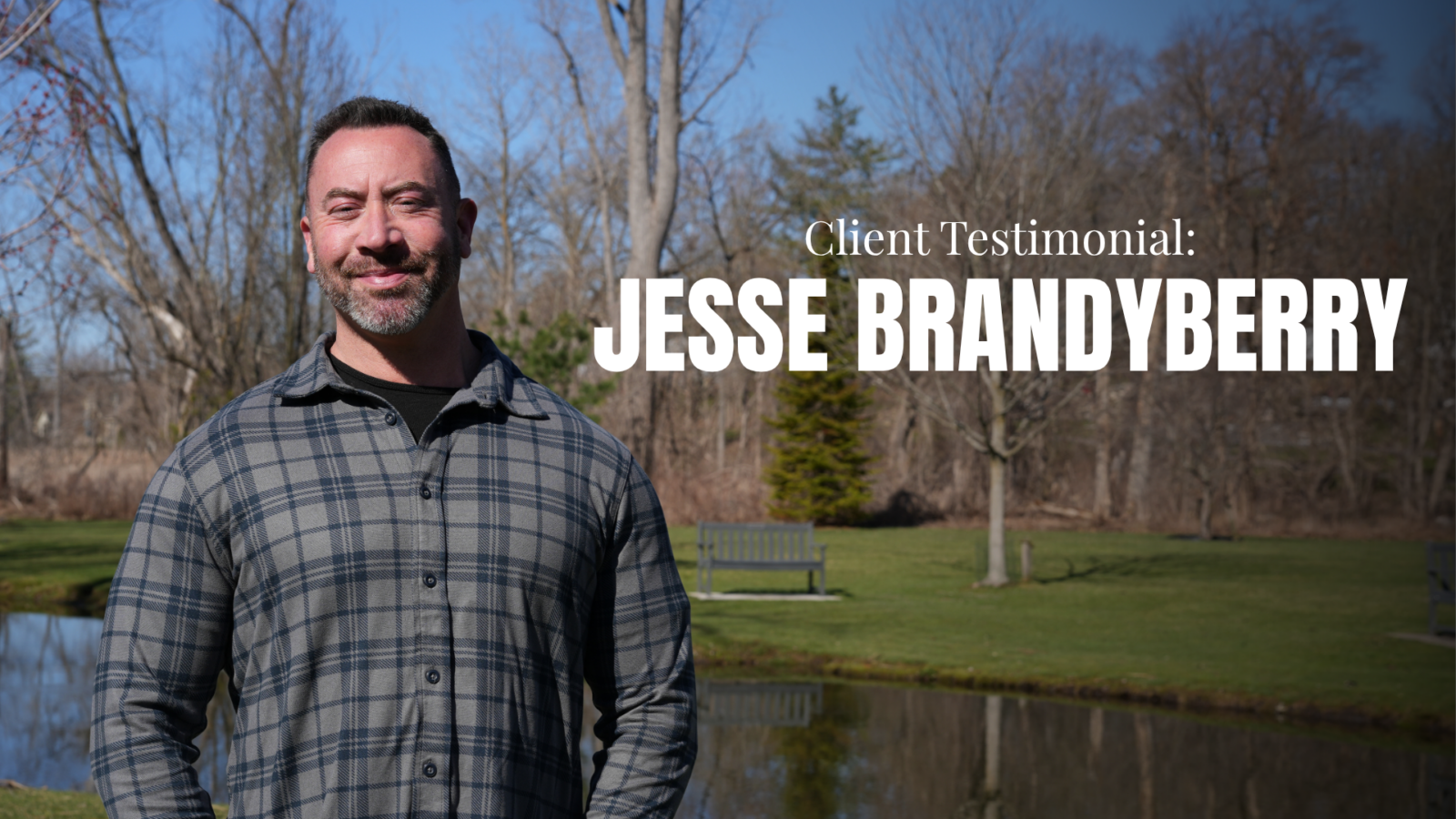
Jesse Brandyberry, a lifelong fitness enthusiast, saw his energy decline in his late 30s despite training consistently. After working with a medical team, addressing hormones, and treating sleep apnea, he now says he feels “as good as ever at 45.”
This isn’t rare. It’s predictable.
And it’s fixable.
Why Energy Declines After 40
This isn’t about “getting older.” It’s about physiology changing without intervention.
Key drivers:
1. Testosterone Decline
- Drops ~1–2% per year after age 30
- Accelerates with stress, poor sleep, obesity
2. Poor Sleep Quality
- Sleep fragmentation increases
- Higher risk of sleep apnea
3. Chronic Stress (Cortisol Dysregulation)
- Blunts testosterone production
- Impairs recovery
4. Insulin Resistance
- Leads to fat gain, low energy, inflammation
What Most Men Get Wrong
They try to fix a biological problem with motivation.
More coffee. More discipline. More “grinding.”
Meanwhile, hormones are quietly working against them.
The Role of Testosterone in Men’s Health
Testosterone is not just about muscle or libido.
It regulates:
- Energy levels
- Mood and mental clarity
- Muscle mass and strength
- Fat distribution
- Bone density
- Recovery
Research Snapshot
- Low testosterone is linked to fatigue, depression, and reduced quality of life (NIH, 2020)
- Men with optimized testosterone show improved body composition and metabolic health
Signs of Low Testosterone Most Men Ignore
These aren’t dramatic. That’s the problem.
Physical Signs
- Loss of muscle mass
- Increased belly fat
- Reduced strength
Mental Signs
- Brain fog
- Low motivation
- Irritability
Performance Signs
- Poor recovery
- Decreased endurance
- Lower drive
Jesse described this perfectly:
“I knew I should work out… but I didn’t have the same desire.”
That’s not laziness. That’s biology.
The Overlooked Link Between Sleep Apnea and Testosterone
This is where most clinics completely miss the mark.
Jesse didn’t just fix hormones. He fixed sleep:
He developed sleep apnea and only regained full energy after addressing both hormones and sleep quality.
Why Sleep Apnea Matters
- Reduces oxygen during sleep
- Disrupts deep sleep cycles
- Lowers testosterone production
- Increases cortisol
Research Insight
Men with untreated sleep apnea often have:
- Lower testosterone
- Higher fatigue
- Increased cardiovascular risk
Sleep is a Hormone Lever
If your sleep is broken, your hormones will be too. Every time.
Functional Medicine vs Traditional Care
Traditional healthcare often looks at symptoms in isolation.
Functional medicine looks at systems together.
Traditional Model
- “Your labs are normal”
- Prescribe medication
- No root cause
Functional Model (1st Optimal approach)
- Advanced lab testing
- Hormone analysis
- Sleep evaluation
- Lifestyle integration
Jesse emphasized trust and personalization:
“They addressed labs, hormone differences, and overall health.”
Lab Testing: What Actually Matters
Most men get incomplete testing.
Essential Labs:
Hormones
- Total testosterone
- Free testosterone
- SHBG (sex hormone binding globulin)
- Estradiol
Metabolic Markers
- Fasting insulin
- HbA1c
Thyroid Panel
- TSH, Free T3, Free T4
Inflammation
- CRP
Sleep Indicators
- Sleep studies for apnea
Normal vs Optimal
“Normal” ranges keep you alive.
“Optimal” ranges help you perform.
Treatment Options
1. Testosterone Replacement Therapy (TRT)
For men with clinically low testosterone.
Benefits:
- Increased energy
- Improved muscle mass
- Better mood
- Enhanced recovery
2. Peptide Therapy
Supports:
- Recovery
- Fat loss
- Sleep
- Growth hormone signaling
3. Lifestyle Optimization
Jesse’s routine is boring. That’s why it works:
- Lift 4x per week
- Cardio regularly
- Cut alcohol
- Increase water intake
- Prioritize protein
- Get sunlight
“Cut alcohol in half, double your water… lift heavy… get outside.”
4. Sleep Optimization
- CPAP for sleep apnea
- Sleep hygiene
- Circadian rhythm alignment
Case Study: From Burnout to Performance
Before:
- Late 30s energy decline
- Reduced motivation
- Poor recovery
After:
- Hormones optimized
- Sleep apnea treated
- Consistent training
Result:
- Feels better at 45 than earlier years
- Active with family
- Coaching and leading
“At 45, I feel as good as I ever have.”
How to Optimize Energy, Strength, and Longevity
Step-by-Step Framework
1. Get Comprehensive Labs
Don’t guess. Measure.
2. Address Hormones
TRT or natural optimization if needed.
3. Fix Sleep First
Sleep apnea is a silent killer of performance.
4. Train Intelligently
Strength + cardio balance.
5. Dial in Nutrition
- High protein
- Controlled carbs
- Hydration
6. Reduce Alcohol
Kills testosterone and recovery.
The Real Goal
Not just looking better.
Showing up better for your life.
Jesse said it best:
“Being present for my family… having energy and clarity.”
FAQs:
1. What is the best age to start testosterone therapy?
Typically considered when symptoms and lab-confirmed low testosterone appear, often in the late 30s to 50s.
2. Can sleep apnea lower testosterone?
Yes. Poor sleep quality directly reduces testosterone production and increases fatigue.
3. Is TRT safe long-term?
When medically supervised, TRT is considered safe and effective for qualified individuals.
4. What are natural ways to increase testosterone?
- Strength training
- Sleep optimization
- Weight loss
- Stress reduction
5. How do I know if I have low testosterone?
Blood testing combined with symptoms like fatigue, low libido, and poor recovery.
Conclusion:
Most men don’t lose their energy because they’re aging.
They lose it because no one told them what’s actually happening.
Hormones shift. Sleep breaks down. Stress compounds.
Then performance drops.
But when you address the root causes:
- Hormones
- Sleep
- Lifestyle
Everything changes.
Energy returns. Strength improves. Life feels easier again.
Not because you tried harder.
Because your body finally works with you.
Next Step:
Ready to stop guessing and actually fix the root cause?
Book a free health consult with our team here: https://1stoptimal.com/book-a-call/
Jesse Brandyberry’s Testimonial Video: