

As we age, it’s natural for health challenges to arise. But many men in their 30s, 40s, and 50s experience issues like fatigue, weight gain, brain fog, and muscle loss, often assuming these are just part of getting older. However, the reality is that many of these symptoms are linked to hormonal imbalances, poor metabolic health, and nutrient deficiencies.
At 1st Optimal, we focus on functional medicine and personalized hormone optimization to address the root causes of these issues. Whether it’s through lab testing, hormone replacement therapy (HRT), peptides, or nutrition adjustments, optimizing your health at this stage in life isn’t just about managing symptoms, it’s about thriving.
Here are eight essential health tips every man over 35 should know to optimize his health and well-being.
Stop Guessing; Get Labs
Many men live with chronic fatigue, brain fog, and low motivation, thinking these are just signs of aging. But they’re often the result of hidden health issues like low testosterone, thyroid imbalances, insulin resistance, or inflammation.
At 1st Optimal, we believe in data-driven health optimization. Getting a comprehensive functional medicine lab test is the first step to understanding what’s really going on inside your body. Blood work shows what’s happening with testosterone, thyroid, cholesterol, insulin, and inflammation. These tests give you clarity and guide personalized treatment plans.
Key Tests to Consider:
- Testosterone levels: Low testosterone is common after age 30 and can lead to fatigue, loss of muscle mass, and low libido.
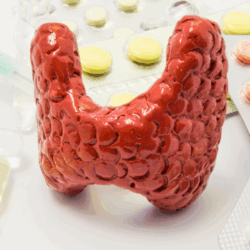
- Thyroid function: Hypothyroidism can contribute to weight gain, fatigue, and depression.
- Cholesterol and metabolic panels: These tests help identify your cardiovascular risk and overall metabolic health.
- Inflammatory markers (C-reactive protein): Chronic inflammation is a hidden cause of many health issues, including heart disease.
Why it’s crucial: These tests help identify imbalances and set the foundation for a personalized, effective treatment plan, allowing you to feel your best again.
Protect Testosterone Every Day
Testosterone is a cornerstone hormone for men, impacting everything from energy to muscle mass. As you age, your testosterone levels naturally decline, but lifestyle factors like stress, poor sleep, and lack of exercise can accelerate this process.
How to Protect Your Testosterone:
- Sleep 7-8 hours per night: Sleep is essential for testosterone production. Aim for quality, uninterrupted sleep to optimize hormone levels.
- Lift heavy weights 3-4 times a week: Strength training boosts testosterone and builds lean muscle mass, which helps to burn fat.
- Limit alcohol consumption: Excessive alcohol can suppress testosterone production and impair liver function, which is crucial for hormone regulation.
- Manage stress: Chronic stress raises cortisol, which can decrease testosterone levels and disrupt sleep and mood.
Bonus: Testosterone Replacement Therapy (TRT)
For those with significantly low testosterone levels, TRT can be a game-changer. At 1st Optimal, we provide personalized TRT protocols to restore hormone levels, improve energy, and enhance performance.
By incorporating these habits, you’re setting yourself up for long-term success in optimizing testosterone and maintaining a high quality of life.
Train for Longevity, Not Ego
It’s easy to get caught up in the “no pain, no gain” mentality, but when it comes to training for health, longevity should be the priority. Focus on exercises that preserve muscle mass, improve cardiovascular health, and optimize metabolic function.
1. Strength Training: Building muscle is vital for metabolism, functional strength, and maintaining bone density. Prioritize resistance training 2-3 times a week.
2. Zone 2 Cardio: This moderate-intensity training protects heart health and enhances endurance without putting excessive strain on your joints. It’s perfect for men over 35 who want to boost cardiovascular health without risking injury.
3. High-Intensity Interval Training (HIIT): HIIT has been shown to improve insulin sensitivity and burn fat while keeping your metabolism high. This is an excellent choice for men who are focused on fat loss and muscle preservation.
Supplementary Workouts for Longevity:
- Yoga: Improves flexibility, balance, and mental health.
- Core work: Strengthens the muscles that support your spine and improve posture.
- Walking: A low-impact exercise that enhances overall health and can be done daily.
Eat Like Blood Sugar Matters
What you eat directly impacts your health. Many men struggle with weight gain, stubborn belly fat, and fluctuating energy levels due to poor eating habits, especially when it comes to blood sugar regulation.
Focus on These Nutritional Strategies:
- Protein First: Start each meal with a good protein source (e.g., lean meats, eggs, or plant-based options like tofu) to maintain muscle mass and keep blood sugar stable.
- Fiber at Every Meal: Fiber-rich foods like vegetables, legumes, and whole grains help slow the absorption of sugar, keeping your blood sugar levels balanced.
- Limit Ultra-Processed Foods: These foods spike insulin levels and contribute to insulin resistance and belly fat accumulation.
Suggested Foods for Blood Sugar Control:
- Leafy greens: Spinach, kale, and arugula.
- Healthy fats: Avocados, nuts, and olive oil.
- Whole grains: Brown rice, quinoa, and oats.
- Lean proteins: Chicken breast, turkey, and fish.
A solid nutrition strategy isn’t about willpower; it’s about creating a sustainable approach that supports your health goals and boosts energy.
Heart Health Starts Early
Cardiovascular health is often overlooked until it’s too late. High blood pressure, high cholesterol, and poor heart health don’t show symptoms until significant damage has been done. Starting early with tracking and correcting markers is the best way to prevent surprises later.
At 1st Optimal, we recommend early cardiovascular testing to catch any issues before they become major problems. Routine blood tests to measure cholesterol levels, inflammation, and heart disease risk markers are crucial for proactive heart health management.
Address Stress Before It Wrecks You
Chronic stress is more than just a feeling—it’s a physiological response that wreaks havoc on your hormones, mood, and overall well-being. High levels of cortisol, the stress hormone, can lower testosterone, disrupt sleep, and damage your immune system over time.
Tips to manage stress:
- Daily meditation or mindfulness practice: Even 10-15 minutes can significantly reduce cortisol.
- Regular physical activity: Exercise is one of the best ways to manage stress and maintain a healthy mind and body.
- Adequate sleep: Poor sleep is one of the biggest stressors on the body, so aim for 7-8 hours of rest each night.
Fix Gut Health to Fix Everything Else
Your gut health is foundational to your overall health. Poor digestion can lead to hormonal imbalances, immune dysfunction, and even mental health issues like anxiety and depression. If you’re experiencing symptoms like bloating, irregular stools, or heartburn, it’s time to address your gut health.
Gut Health Optimization: At 1st Optimal, we recommend a comprehensive GI-MAP stool test to assess your gut microbiome and identify potential issues like leaky gut, bacterial overgrowth, or yeast infections.
Probiotics and Prebiotics: Adding the right probiotics and prebiotics to your diet can restore balance to your gut and improve digestion.
Optimize Sleep Like It’s Non-Negotiable
Sleep is one of the most powerful tools for hormone regulation. It impacts testosterone production, insulin sensitivity, fat loss, and recovery. But many men don’t prioritize sleep, which can lead to hormone imbalances, weight gain, and fatigue.
How to optimize your sleep:
- Avoid screens 1-2 hours before bed: Blue light from devices disrupts melatonin production, making it harder to fall asleep.
- Create a sleep-friendly environment: Keep your bedroom cool, dark, and quiet to promote deep sleep.
- Consistency is key: Go to bed and wake up at the same time each day to regulate your body’s internal clock.
FAQs About Men’s Health:
What are the best tests for hormone imbalance in men?
The most important tests include testosterone levels, thyroid function tests, DHEA, and cortisol levels. These tests can help identify imbalances and guide treatment.
How can I boost my testosterone naturally?
Focus on optimizing sleep, managing stress, and lifting heavy weights regularly. These lifestyle changes are key to preserving testosterone levels naturally.
What is the best diet for fat loss and muscle maintenance?
A balanced diet that includes lean protein, healthy fats, and fiber-rich carbohydrates is essential for fat loss and muscle retention. Minimize processed foods and sugars to improve metabolic health.
Conclusion
Taking control of your health as a man over 35 means understanding the science behind your body’s changing needs. By optimizing your hormones, managing stress, improving gut health, and focusing on nutrition and sleep, you can take a proactive approach to health that supports your performance and longevity.
If you’re ready to optimize your health, start with personalized lab testing, hormone optimization, and a tailored health plan from 1st Optimal. Book your free health consult today and take the first step toward feeling your best.
About Us
1st Optimal is a functional medicine and performance health clinic dedicated to helping high-achieving adults optimize hormone health, weight, energy, and longevity. Follow 1st Optimal on Instagram
Founders:
- Joe Miller – Expert in functional medicine, hormone optimization, and health coaching. Follow Joe on Instagram
- Amber Miller – Operational leader specializing in patient experience, clinic growth, and holistic health. Follow Amber on Instagram
At 1st Optimal, we combine advanced diagnostics, personalized protocols, and coaching partnerships to deliver sustainable health results for midlife adults.