

Introduction
Most people think metabolism just means “how fast you burn calories.” It’s not. Your metabolism is an integrated network that controls energy, hormones, detox, immunity, and longevity. The problem? Many adults over 35 live with dozens of tiny, invisible habits that quietly damage metabolic balance every day.
At 1st Optimal, we’ve analyzed thousands of advanced blood panels and gut tests. Again and again, we see the same patterns, subtle nutrient gaps, stress responses, and hormone imbalances that keep people tired, inflamed, and stuck.
Below are 20 small but powerful mistakes silently sabotaging your health, plus practical, science-based fixes to help you reclaim your metabolism.
1. “It’s Just 5 Grams of Sugar…”
Those tiny “just a little” moments add up fast. Even small daily sugar doses spike insulin, promote glycation (the chemical aging of tissues), and disturb gut bacteria.
Fix: Cap added sugar below 25 g daily (AHA guidelines). Read labels, most yogurts, bars, and dressings sneak in 5–10 g each.
Evidence: Frequent low-level glucose spikes raise cardiovascular risk independent of weight (NEJM 2020).
2. Fatigue After Meals Isn’t Normal
If you crash after lunch, it’s not “getting older.” It’s poor metabolic flexibility, your body can’t smoothly switch from carb to fat metabolism.
Fix: Add a 10-minute walk after meals. Studies show post-meal walking lowers glucose by ~22% on average (Diabetes Care 2023).
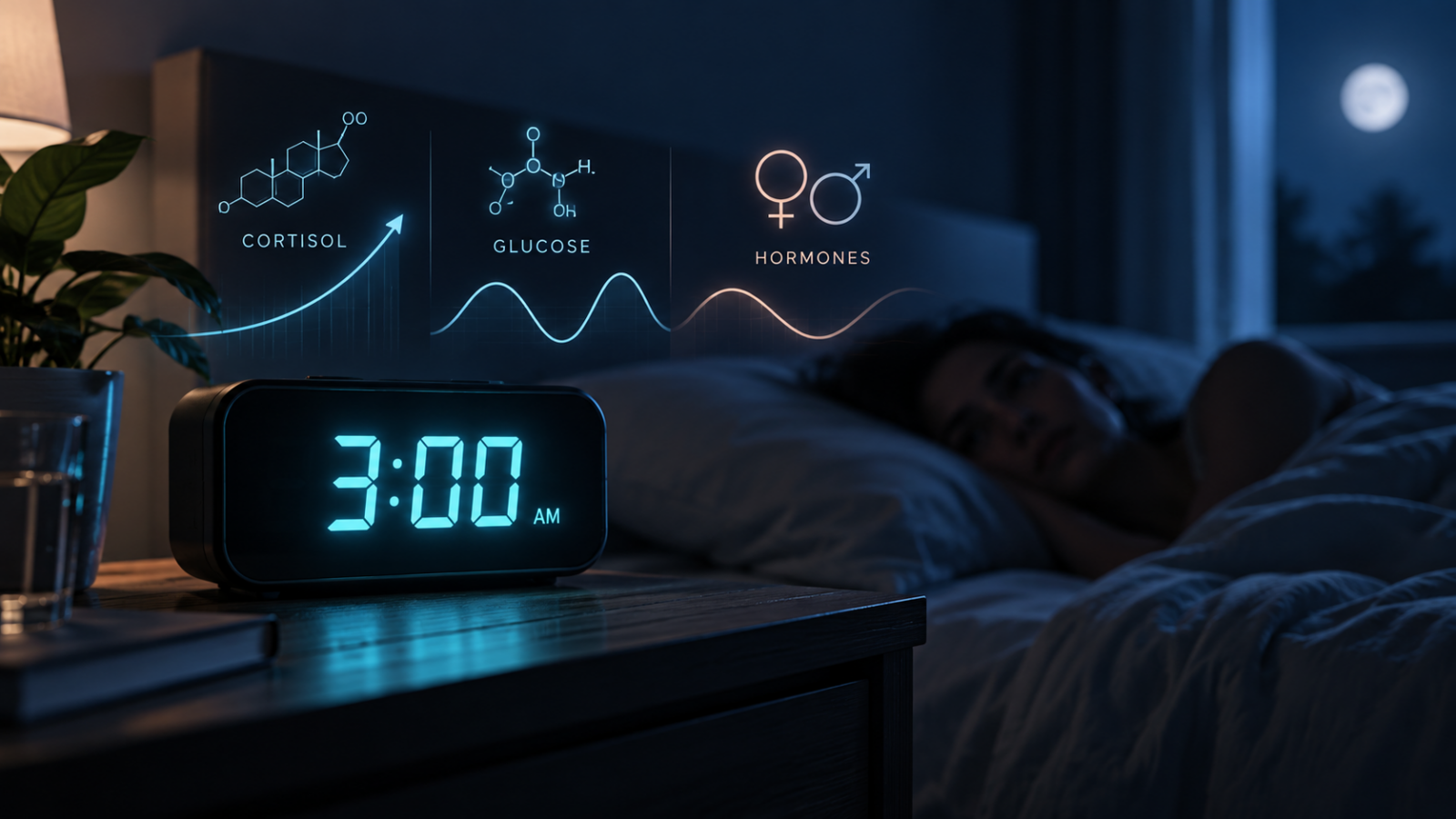
3. Waking Up at 2 A.M.
Mid-night awakenings often trace back to blood sugar dips or sluggish liver detox.
Fix: A protein-rich snack (collagen + nut butter) before bed stabilizes glucose. Support liver clearance with magnesium, B vitamins, and glycine.
4. 3 P.M. Sugar Cravings
This isn’t weakness, it’s a cortisol crash. Your stress hormone normally tapers slowly, but chronic stress, under-sleeping, and poor meals flatten the curve.
Fix: Eat protein + fiber at breakfast (30 g protein). Try adaptogens (ashwagandha, rhodiola) under clinician guidance.
5. Constipation = Toxin Reabsorption
When you don’t move your bowels daily, estrogen and endotoxins get reabsorbed.
Fix: Target 25–30 g fiber/day and hydrate (half your body weight in ounces of water). A GI-MAP test can confirm microbial imbalances.
6. Undernourished, Not Underfed
You can eat plenty and still lack nutrients. Processed food delivers calories without cofactors your mitochondria need.
Fix: Rebuild meals around protein + color + fiber + healthy fats. Consider micronutrient testing to personalize intake.
7. Low Sodium Kills Performance
Sodium regulates nerve signaling and muscle contraction. Too little can tank focus and endurance.
Fix: Add ½ teaspoon electrolyte salt (preferably sodium + potassium blend) before workouts.
8. Magnesium Is Non-Negotiable
Over 70% of adults are deficient. Magnesium supports over 300 enzymes, including insulin receptors and sleep pathways.
Fix: Use magnesium glycinate or threonate (200–400 mg nightly). Pair with taurine for nervous-system calm.
9. Thyroid Needs Iodine and Selenium
Your thyroid hormones (T3/T4) rely on these micronutrients. Low intake can mimic hypothyroidism symptoms even with “normal” labs.
Fix: Seafood, eggs, and Brazil nuts (2–3 a day). Verify with advanced thyroid panel + selenium/iodine labs.
10. Energy Crashes Aren’t Normal
Caffeine isn’t the cure—blood sugar stability is.
Fix: Balance each meal with protein (25–35 g) and complex carbs (low-GI). Track glucose variability with a CGM (continuous glucose monitor).
11. Your Gut Runs the Show
The gut influences hormones, immunity, neurotransmitters, and metabolism. Dysbiosis elevates cortisol and estrogen dominance.
Fix: Run a gut health panel (GI-MAP or RISE Gut Test). Add fermented foods and diverse fibers to rebuild microbiota.
12. Poor Sleep and Micronutrients
It’s not always blue light, magnesium, zinc, and B6 deficiency alter melatonin synthesis.
Fix: Add a multi-mineral complex + consistent bedtime. Keep blood sugar stable to avoid nighttime hypoglycemia.
13. You Can’t Out-Supplement a Bad Diet
Supplements fill gaps; they don’t replace food signaling. Whole foods provide phytochemicals that coordinate mitochondrial repair.
Fix: Prioritize nutrient-dense protein (eggs, salmon, grass-fed beef) and produce. Use functional testing to target only what you need.
14. Stress = Fat Storage
Cortisol directs glucose into storage mode and blunts thyroid conversion (T4 → T3).
Fix: Regulate stress via Zone 2 cardio and parasympathetic work (box breathing, HRV biofeedback). Research links chronic stress to abdominal fat gain (Obesity Reviews 2022).
15. Low Protein Slows Detox
Protein supplies amino acids (glutathione precursors) for liver detoxification and lean mass retention.
Fix: Aim for 1.6–2.2 g/kg body weight protein per day. Distribute evenly throughout meals.
16. Daily Bloating = Gut–Brain Misfire
Bloating is a signal, not random luck. Gas, reflux, or tightness means disrupted gut-brain signaling or dysbiosis.
Fix: Identify food sensitivities (through IgG/IgE testing). Support digestive enzymes and stress management (yes, your vagus nerve matters).
17. Lifting? You Still Need Carbs
Low-carb plus high-training equals thyroid and cortisol disruption.
Fix: Strategically time carbs around training (30–60 g pre/post workout). Improves recovery and hormone balance [(J Applied Physiol 2021)].
18. Joint Pain and Micronutrients
Aching knees aren’t just aging—they’re often linked to low vitamin D, omega-3s, and collagen loss.
Fix: Run inflammation markers (HS-CRP, omega index). Add vitamin D3 + K2 and collagen peptides daily.
19. The Scale Lies
Weight fluctuates from hydration, glycogen, and inflammation. Body composition tells the truth.
Fix: Track waist circumference, DEXA scans, and bioimpedance. 1st Optimal lab packages include inflammation and muscle metrics to see real change.
20. You Can’t Heal in the Same Environment
Metabolic repair demands new inputs, sleep, light exposure, stress load, relationships, purpose.
Fix: Audit your routine. Remove toxins (mental and physical). Upgrade sleep hygiene and movement. Healing is a full-body environment, not just a supplement protocol.
Mini Case Study: “Melissa, 43”
Melissa worked 60-hour weeks and felt constantly bloated and wired-tired. Labs revealed elevated cortisol, low magnesium, and gut dysbiosis. Within 8 weeks of a custom plan, protein rebalancing, electrolyte support, GI-MAP guided gut protocol, and Zone 2 training, her energy returned and she lost 10 lbs of visceral fat without counting calories.
FAQs:
1. What is metabolic flexibility?
It’s your body’s ability to shift between carbs and fats for fuel. Poor flexibility leads to energy crashes and fat gain.
2. How do I test my metabolic health?
Through comprehensive lab testing: fasting insulin, A1c, lipids, thyroid panel, GI-MAP, and micronutrients.
3. Can hormone replacement therapy (TRT or HRT) improve metabolism?
Yes, balanced testosterone and estrogen enhance muscle mass and mitochondrial efficiency when monitored medically.
4. What are functional medicine labs?
They assess root-cause function—gut, hormones, nutrients—beyond standard panels.
5. Are GLP-1 peptides safe for weight loss?
When prescribed appropriately, GLP-1 agonists can reduce appetite and improve insulin sensitivity [(JAMA 2023)]. Lifestyle still matters.
6. How does stress affect fat loss?
Chronic stress raises cortisol and blood sugar, shutting down fat oxidation.
7. What’s the best diet for metabolic health?
High protein, moderate carb, low processed fat—customized to lab data and activity level.
8. Should I track macros or intuitive eat?
Start with macro tracking to learn patterns, then transition to intuitive eating once hormones and metabolism stabilize.
9. Is bloating normal after meals?
No. It signals malabsorption or gut imbalance. Functional testing identifies the root cause.
10. When should I get help?
If fatigue, bloating, or cravings persist over 3 months, schedule a consult with a 1st Optimal practitioner for lab-guided support.
Conclusion
Your metabolism isn’t broken, it’s responsive. Every micro-habit, nutrient, and stress cue shapes how your body uses energy. Addressing these 20 tiny mistakes rewires your biology toward resilience, clarity, and longevity.
Ready to optimize?
→ Book your personalized Health Consult
→ Explore Functional Medicine Lab Testing
→ Learn about Hormone Optimization Therapy
References:
- NEJM 2020 – Glycemic variability and CVD risk
- Diabetes Care 2023 – Post-meal walking study
- JAMA 2023 – GLP-1 agonists in obesity
- Frontiers in Endocrinology 2021 – Cortisol and metabolism
- Nature Metabolism 2022 – Gut microbiome and metabolic health
- Obesity Reviews 2022 – Stress and fat distribution
- Journal of Applied Physiology 2021 – Carbohydrate timing
- Nutrients 2020 – Magnesium and insulin resistance
- Lancet Metab 2022 – Iodine and thyroid function
- Cell Metabolism 2021 – Mitochondrial nutrient interactions
- NIH Office of Dietary Supplements – Micronutrient data
- Harvard Health 2023 – Sleep and metabolism
- American Heart Association – Sugar intake guidelines
- Frontiers