
Introduction
Health optimization in 2025 isn’t about chasing fads, it’s about precision habits rooted in real data. The latest research shows that simple lifestyle tweaks, like walking more, eating earlier, and prioritizing strength over cardio, can dramatically impact longevity, hormones, and metabolic health.
At 1st Optimal, we bridge medical testing with functional health coaching to help adults aged 35–55 turn these small shifts into measurable outcomes. Here are the 20 science-backed health trends everyone’s talking about, and how to personalize them for your goals.
Fiber-Maxxing: The 2025 Longevity Lever
Most adults barely reach half the daily fiber target (25–30 g/day). A 2023 meta-analysis found that increasing intake by 7 grams per day lowers disease risk by up to 20% (NIH, 2023).
How to apply it:
- Track fiber using Cronometer or MyFitnessPal.
- Mix soluble (oats, apples, chia) and insoluble (vegetables, flaxseed) types.
- Pair with probiotics and hydration for gut balance.
Lab insight: A GI-MAP test can reveal if your gut microbiome needs more fiber diversity.
Walking Pads Beat Traditional Cardio
Forget treadmills. Under-desk walking pads let busy professionals hit 10,000 steps before noon, no gym shoes required. Research shows consistent low-intensity movement improves blood glucose and lipids more than isolated workouts (Harvard Health, 2022).
At 1st Optimal: Many clients track steps alongside continuous glucose monitors (CGMs) to correlate movement with insulin response.
The 3-Minute Stand Rule
Every 30 minutes, stand up for 3. It’s not just anti-sedentary, it resets glucose metabolism and reduces triglycerides (JAMA, 2022).
Try this:
- Use smartwatch alerts.
- Pair standing with calf raises or hip mobility drills.
Sunlight-Hour Dinners
Your circadian rhythm governs hormone secretion. Studies show that eating earlier (before sunset) improves melatonin, insulin sensitivity, and sleep (Cell Metabolism, 2019).
Functional takeaway:
- Eat your final meal 2–3 hours before bed.
- Optimize sleep with DUTCH hormone testing to check cortisol and melatonin balance.
The 10-Minute Morning Silence Ritual
A silent start calms the vagus nerve and stabilizes cortisol levels. Ten minutes of quiet upon waking lowers blood pressure and improves HRV (Frontiers in Psychology, 2023).
Try: Sitting in natural light with no phone, no talking, no music.
Cycle-Syncing: The New Female Biohacking
Women are tailoring nutrition and training to menstrual phases, raising iron and protein during menstruation, increasing carbs and recovery during luteal phase.
Why it works: Estrogen, progesterone, and insulin sensitivity fluctuate every 28 days. Tracking helps reduce PMS, boost performance, and stabilize mood.
Lab integration: Pair cycle tracking with 1st Optimal’s Women’s Hormone Panel for precise guidance.
HRV-Based Everything
Heart rate variability (HRV) is now the gold standard for resilience. High HRV correlates with better metabolic flexibility and lower inflammation (Nature, 2020).
Use tools like: WHOOP, Oura, or Garmin to guide training intensity and recovery.
Winter = Strength Season
Instead of year-round dieting, people now shift to seasonal wellness. Winter bulking (within reason) supports hormone health and muscle retention.
Science: Higher protein (1.6–2.2 g/kg) and lower cortisol promote thyroid stability and bone density (Endocrine Society, 2023).
LISS Over HIIT
Low-intensity steady-state (LISS) cardio supports mitochondrial efficiency and recovery better than chronic HIIT (Journal of Applied Physiology, 2021).
Pro tip: Zone 2 cardio (heart rate at 60–70% max) for 30–45 minutes, 3–5x per week.
The Power of Saying “No”
Psychological boundaries are now considered healthcare. Chronic stress raises cortisol, glucose, and inflammation. Learning to decline commitments boosts immune resilience and sleep quality.
Evening Screen Detox
Blue light blocks melatonin. Just 20 minutes screen-free before bed improves REM sleep and next-day focus (Sleep Medicine, 2023).
Replace doom scrolling with: light stretching, magnesium, or journaling.
30 Plants a Week = Gut Gold
Plant diversity, not just probiotics, is key for microbiome richness. The American Gut Project found that 30+ plant types weekly increased microbiota diversity by 40%.
Challenge: Count unique plants, nuts, herbs, seeds, fruits, veggies all count.
Eat Protein First
Eating protein before carbs can reduce blood sugar spikes by 30–40% (Diabetes Care, 2020).
Best ratio: 30–40 g per meal.
Timing: Precede carbs and fats to blunt post-meal insulin surges.
Hydration Starts the Night Before
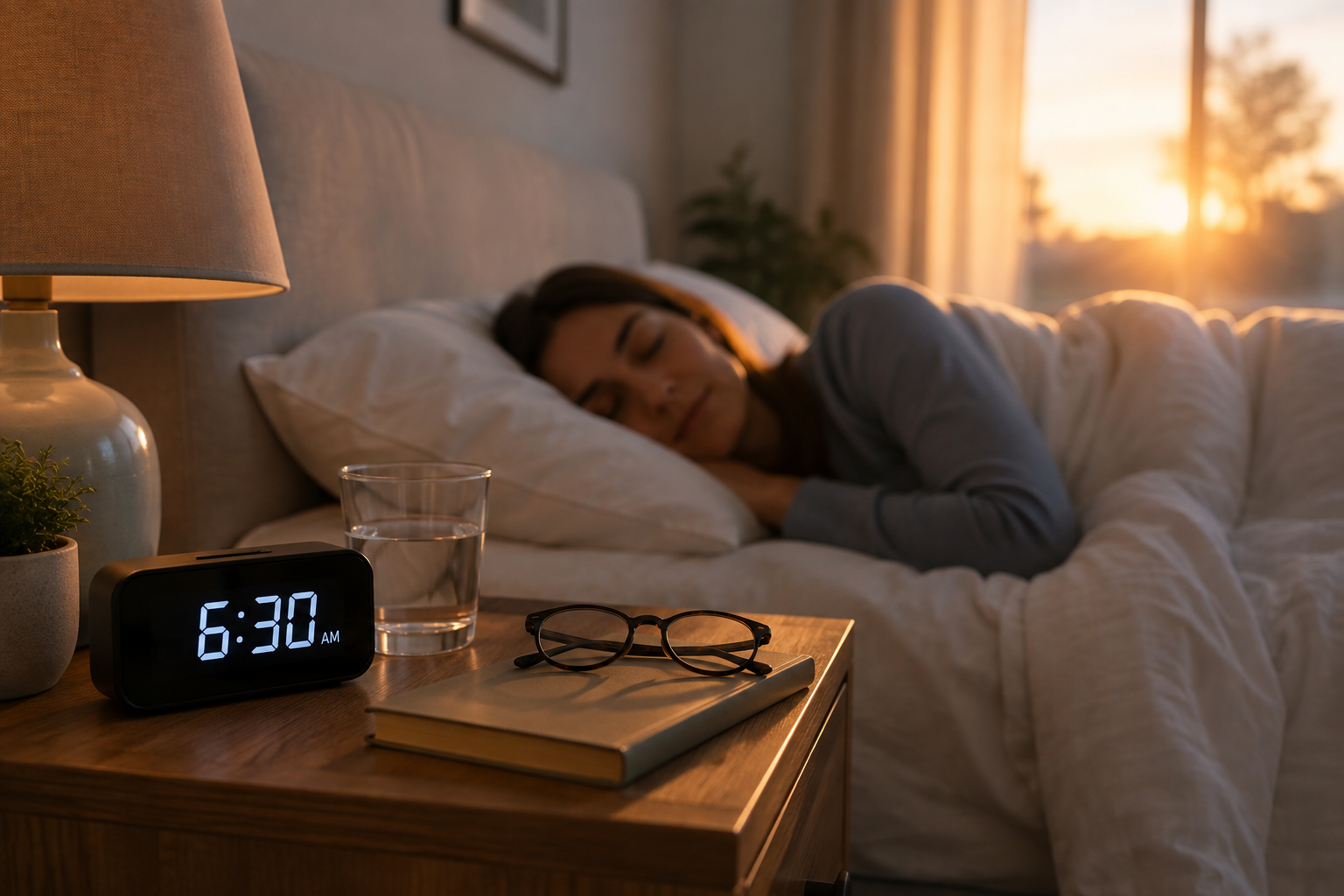
Drinking a glass of water before bed supports overnight detoxification and morning alertness. Electrolyte balance matters too, consider magnesium glycinate or LMNT-style hydration mixes.
Five Minutes of Foot Work
Your feet are your nervous system’s foundation. Rolling a lacrosse ball underfoot or training balance barefoot improves proprioception and posture.
Your Metabolism Wants Muscle
Muscle mass is the #1 predictor of healthy aging (Lancet, 2022). More muscle means higher basal metabolic rate, stronger bones, and better insulin control.
Micro Workouts
Short bursts of movement, squats, pushups, stair climbs, add up. Ten 5-minute sessions equal a full workout (Sports Med, 2023).
Example schedule:
- Morning: bodyweight squats
- Lunch: brisk walk
- Evening: mobility flow
Gratitude Beats Caffeine
One minute of focused gratitude increases dopamine and lowers cortisol, priming your mindset for the day (J. Positive Psychology, 2022).
Practical version: Write one sentence of gratitude before checking your phone.
Sleep Is a Competitive Edge
Sleep tracking devices have turned rest into data. Deep sleep quality predicts testosterone, growth hormone, and recovery.
Optimize:
- Room temp 65°F
- Dark, cool space
- No alcohol 3 hours before bed
- Test hormones quarterly if fatigue persists
The 5-Hour Food Rule
Spacing eating windows improves glucose control and autophagy (Nature Metabolism, 2023). Stop eating 2 hours before bed and delay breakfast 90 minutes after waking.
Not fasting, just rhythm.
Case Study: “The Sleep-Deprived Executive”
A 44-year-old client struggled with fatigue and stubborn weight despite “clean eating.” After testing cortisol rhythm, gut bacteria, and sex hormones, we adjusted her sleep timing, meal order, and added peptide support.
Results: +15% HRV, −11 lbs fat, +6 lbs lean mass in 12 weeks.
FAQs
- What’s the best first step for longevity in 2025?
Start with baseline lab testing hormones, gut, glucose, inflammation then align habits to those results. - How does strength training help hormones?
It increases testosterone, growth hormone, and insulin sensitivity, slowing aging. - Do peptides really help metabolism?
Yes—specific peptides support fat loss and recovery when medically supervised. - What’s the biggest mistake in midlife health?
Overtraining, under-recovering, and ignoring sleep quality. - Is fasting still useful?
Intermittent fasting works when aligned with your stress load and hormones, but not for everyone, especially women in perimenopause.
Conclusion
Longevity isn’t luck, t’s strategy. These 20 habits show how small, evidence-based choices can compound into massive change. Whether it’s improving gut health, stabilizing hormones, or regaining energy, the key is personalization.
At 1st Optimal, we don’t guess, we test, tailor, and track your results.
Call to Action
Ready to personalize your 2025 health plan?
Book your Free Health Consult and get a custom blueprint built around your labs, hormones, and goals.
👉 Schedule Your Consult
References:
- NIH. Fiber intake and disease risk. 2023.
- Harvard Health. Daily movement vs. structured exercise. 2022.
- JAMA. Interrupting sitting time improves glucose. 2022.
- Cell Metabolism. Meal timing and circadian rhythm. 2019.
- Frontiers in Psychology. Mindfulness and HRV. 2023.
- Nature. HRV as health marker. 2020.
- Endocrine Society. Protein and thyroid function. 2023.
- Journal of Applied Physiology. LISS vs. HIIT outcomes. 2021.
- Sleep Medicine. Blue light and melatonin. 2023.
- American Gut Project. Microbiome diversity. 2022.
- Diabetes Care. Meal order and glucose control. 2020.
- Lancet. Muscle and aging. 2022.
- Sports Medicine. Micro workouts. 2023.
- Journal of Positive Psychology. Gratitude and neurochemistry. 2022.
- Nature Metabolism. Meal timing and autophagy. 2023.
- NEJM. Circadian influence on metabolic health. 2021.
- J Clin Endocrinol Metab. Testosterone and sleep. 2021.
- PubMed. GLP-1 analogs and fat loss. 2022.
- JAMA. Cortisol and chronic stress. 2020.