
Introduction
Parasite overgrowth is often a hidden factor in unexplained health issues that many people overlook. While common symptoms like digestive disturbances and fatigue are often attributed to other causes, they can often point to something more serious, parasite infestation. Parasites live in the body and thrive in the gut, but they can affect nearly every system in your body. When they take over, they can disrupt nutrient absorption, trigger chronic fatigue, and even contribute to skin issues, weight fluctuations, and hormonal imbalances. In this post, we will discuss 10 common signs of parasite overgrowth and explore how functional medicine can help identify and treat these intruders.
Digestive Issues
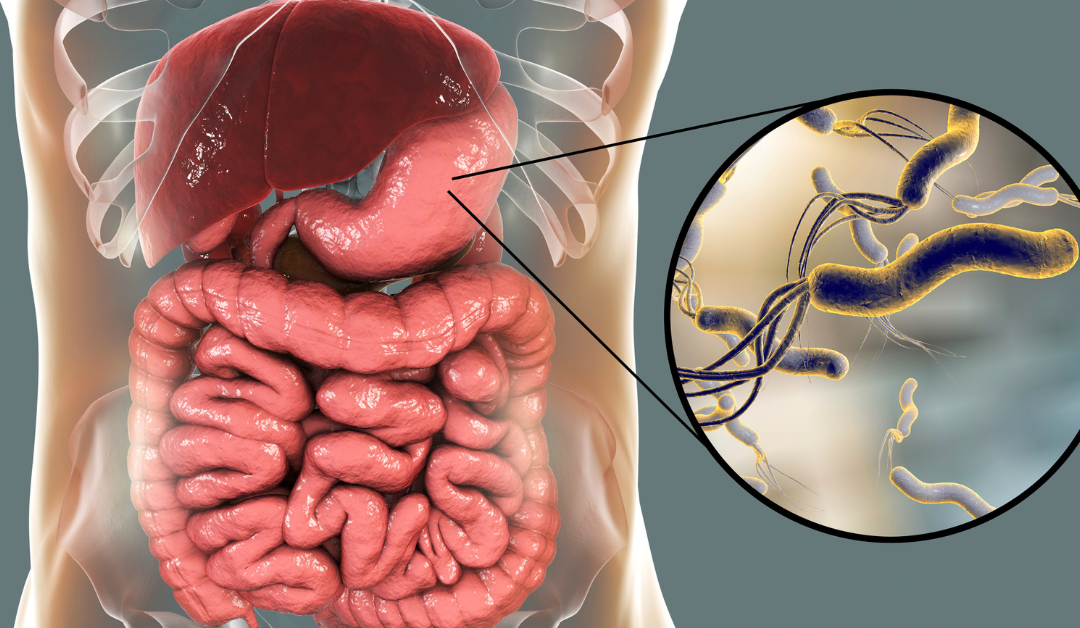
Parasites often reside in the digestive system, causing significant discomfort. Frequent bloating, gas, diarrhea, and constipation are all signs that something is off in the gut. Parasites disrupt the normal function of the digestive system, leading to these uncomfortable and sometimes debilitating symptoms.
Why it happens:
Parasites release toxins that irritate the lining of the digestive tract, causing inflammation and interfering with nutrient absorption. This inflammation can lead to gut dysbiosis, a condition where the balance of healthy gut bacteria is disrupted. Over time, this can cause digestive disorders like irritable bowel syndrome (IBS).
Additional Signs of Digestive Issues:
- Abdominal cramping
- Nausea or vomiting
- Unexplained food sensitivities
Fatigue
One of the most pervasive symptoms of parasite overgrowth is fatigue. Even if you get a full night’s sleep, you may still wake up feeling drained. This happens because parasites consume nutrients that your body needs for energy production. They also trigger your immune system, causing it to work overtime, which drains your energy levels.
How Parasites Affect Energy Levels:
Parasites are metabolically active, consuming the same nutrients that your body relies on. In doing so, they deplete your body’s stores of vital vitamins and minerals, leaving you feeling fatigued and weak. Additionally, the constant immune response required to fight off these invaders uses up energy that would otherwise be used to support your daily activities.
Unexplained Weight Changes
Unexpected weight changes, whether it’s unexplained weight gain or loss, can often be linked to parasitic infections. Parasites disrupt the normal function of the digestive system, leading to nutrient malabsorption and metabolic imbalances. This can result in abnormal weight fluctuations.
How Parasites Affect Metabolism:
Parasites can alter your metabolism by interfering with thyroid function, slowing down the body’s ability to burn fat. This is often seen in individuals who experience unexplained weight gain, especially when no changes to diet or exercise routines have been made. Conversely, some parasites can cause rapid weight loss, as they consume nutrients faster than your body can absorb them.
Skin Problems
Parasites can also manifest as skin issues like rashes, acne, eczema, or general irritation. This happens because parasites disrupt nutrient absorption and weaken the immune system, leaving the skin vulnerable to inflammation and irritation.
Skin Conditions Linked to Parasites:
- Acne: A common reaction as parasites affect the digestive system and cause imbalances in the gut microbiota.
- Eczema: Can be triggered by the body’s immune response to the toxins released by parasites.
- Rashes and Hives: Often result from the immune system’s attempt to fight off parasite-related infections.
Cravings for Sugar or Carbs
One of the less discussed but common signs of parasite overgrowth is intense sugar and carb cravings. Parasites feed on sugar, and they can often trigger cravings for sweets or carbohydrates, which helps them thrive and multiply.
How Parasites Control Your Cravings:
Parasites manipulate your brain chemistry, particularly the reward system, making you crave foods that fuel their growth, primarily sugar and carbohydrates. These cravings can become overwhelming, especially when trying to maintain a healthy diet.
Sleep Disturbances
Parasites are often most active during the night, which can lead to disrupted sleep patterns. Many individuals with parasite overgrowth report restlessness, insomnia, or waking up in the middle of the night.
Why Parasites Affect Sleep:
Parasites produce waste products and toxins that can irritate your nervous system, causing restlessness. They may also release certain substances that disrupt melatonin production, leading to difficulty falling asleep or staying asleep.
How Parasites Affect Your Hormones
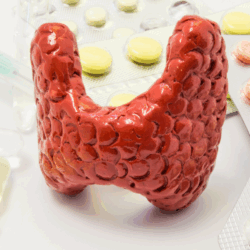
Parasites can interfere with hormonal balance, particularly thyroid and adrenal hormones. The stress of dealing with a parasitic infection can lead to elevated cortisol levels, which can disrupt the thyroid function and metabolism.
Parasites and Hormonal Imbalance:
- Cortisol: As parasites cause chronic stress on the immune system, cortisol levels rise, which can lead to weight gain and other metabolic issues.
- Thyroid Function: Parasites can affect thyroid function, leading to symptoms like fatigue, weight gain, and brain fog
Lab Testing for Parasite Overgrowth
Accurate lab testing is essential in diagnosing parasite overgrowth. Stool tests, blood tests, and comprehensive gut health panels can help identify the presence of parasites and determine the best treatment protocol.
Types of Lab Tests for Parasite Overgrowth:
- Stool Tests: Can identify parasites and their eggs in the digestive system.
- Blood Tests: Check for markers of infection and immune system response.
- Gut Health Panels: Measure the overall balance of bacteria in the gut, which can be disrupted by parasites.
Parasite Treatment Protocols
There are several treatment options available for addressing parasite overgrowth, including natural remedies and pharmaceutical treatments. The key is personalized care to identify the most effective protocol for each individual.
Natural Treatment Options:
- Herbal Antiparasitic Remedies: Such as wormwood, black walnut, and cloves.
- Probiotics and Gut Healing Protocols: To restore healthy gut flora.
- Dietary Changes: Focusing on anti-inflammatory, parasite-detoxifying foods.
Pharmaceutical Treatments:
Prescription Medications: Anthelmintic drugs may be used for severe infestations.
FAQs about Parasite Overgrowth:
How do I know if I have parasites?
Parasite overgrowth is often diagnosed through stool tests, blood work, and symptom tracking. Common symptoms like digestive issues, fatigue, and unexplained weight changes are red flags.
Can parasites be treated naturally?
Yes, functional medicine treatments, such as herbal protocols, probiotics, and dietary adjustments, are commonly used to address parasite overgrowth. However, it’s important to work with a healthcare professional to determine the best approach.
What foods should I avoid if I have parasites?
It’s advisable to avoid sugar, processed foods, and refined carbohydrates, as these feed parasites. A clean, whole-food diet is recommended to help starve out the parasites and promote healing.
How long does it take to recover from parasite overgrowth?
Recovery time varies depending on the severity of the infestation and the treatment approach. On average, it can take a few weeks to a few months with the right treatment.
Can parasites cause long-term health problems?
Yes, if left untreated, parasites can lead to chronic digestive issues, immune system dysfunction, and nutrient deficiencies.
Conclusion: Taking Control of Your Health
Parasite overgrowth may be more common than you think, yet it’s often overlooked in mainstream healthcare. If you’re experiencing symptoms like digestive issues, fatigue, or unexplained weight changes, it’s essential to consider parasite overgrowth as a potential root cause. At 1st Optimal, we offer personalized lab testing, hormone optimization, and comprehensive health coaching to help you take control of your health. If you suspect you may be dealing with parasite overgrowth, or if you’re struggling with unexplained symptoms, our team is here to help you find the answers.
Want to optimize your health?
Book a FREE health consult today and take the first step towards reclaiming your vitality! Book Now
References:
- PubMed, Parasite Overgrowth and Its Impact on Digestive Health
- NIH, The Role of Gut Health in Immune Function
- JAMA, Hormonal Imbalance and Weight Fluctuations
- NEJM, Scientific Insights on Parasite Detox Protocols
About Us
1st Optimal is a functional medicine and performance health clinic dedicated to helping high-achieving adults optimize hormone health, weight, energy, and longevity. Follow 1st Optimal on Instagram
Founders:
- Joe Miller – Expert in functional medicine, hormone optimization, and health coaching. Follow Joe on Instagram
- Amber Miller – Operational leader specializing in patient experience, clinic growth, and holistic health. Follow Amber on Instagram
At 1st Optimal, we combine advanced diagnostics, personalized protocols, and coaching partnerships to deliver sustainable health results for midlife adults.