
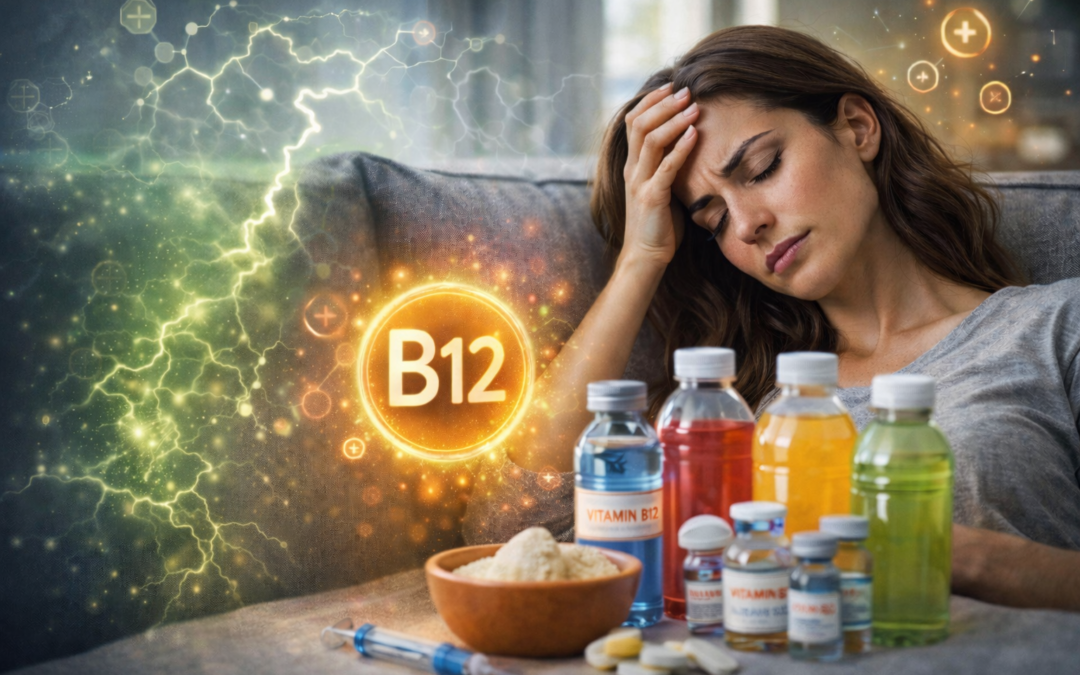
Peptide therapies, particularly those like GLP-1 agonists (e.g., Ozempic), have become a popular solution for weight loss, improved insulin sensitivity, and overall metabolic health. However, despite their benefits, many people undergoing peptide therapy report experiencing peptide fatigue, a state of exhaustion that can disrupt daily activities, making it difficult to stay energized and focused.
The cause of this fatigue can often be traced to the body’s adjustment to peptide therapy, especially as it alters metabolism, appetite, and digestion. Fortunately, B12 and electrolyte supplementation can play a key role in mitigating this exhaustion. In this article, we’ll explore why peptide fatigue happens, how B12 and electrolytes can help restore your energy levels, and how you can incorporate these nutrients into your daily routine to feel revitalized and balanced.
What is Peptide Fatigue?
Peptide therapy is highly effective for many, but one of the most commonly reported side effects is fatigue. Peptide fatigue refers to a feeling of chronic tiredness, lack of motivation, and decreased physical energy levels, often experienced during the adjustment period of peptide therapy.
Peptide therapy, particularly with GLP-1 receptor agonists, works by regulating appetite and slowing gastric emptying. While this promotes weight loss and improved insulin sensitivity, it also has a significant impact on your body’s energy balance. One of the outcomes is an energy deficit, which can leave you feeling more tired than usual. Additionally, digestive changes associated with peptides can affect nutrient absorption, leading to deficiencies that may exacerbate feelings of fatigue.
Common Symptoms of Peptide Fatigue
Individuals on peptide therapy commonly report:
- Chronic tiredness, especially in the afternoon
- Difficulty staying awake or focused during the day
- Decreased physical energy and motivation to exercise
- Increased sleepiness and disrupted sleep patterns
This fatigue can be frustrating, especially if you’re already on a path to improve your health and well-being through peptide therapy.
How Peptide Therapy Affects Energy Levels
The primary mechanism of GLP-1 receptor agonists, such as Ozempic, is to mimic the action of natural gut hormones that regulate appetite, insulin sensitivity, and digestion. While these peptides provide significant benefits, they also slow gastric emptying, leading to feelings of fullness and sometimes nausea. This disruption in digestion can lead to decreased nutrient absorption and a resulting drop in energy levels.
Slowed Digestion and Energy
The delayed gastric emptying caused by peptide therapy slows the digestive process, meaning the body may not be able to absorb nutrients as efficiently as before. This can lead to fatigue, as the body’s energy stores become depleted, and can also affect electrolyte balance. Additionally, lower food intake due to reduced appetite can lead to deficiencies in essential vitamins and minerals, further contributing to fatigue.
Blood Sugar Regulation and Energy
Peptide therapy works to regulate blood sugar levels by promoting insulin sensitivity. While this is beneficial for weight loss and metabolic health, fluctuations in blood sugar can sometimes cause feelings of fatigue. When blood sugar levels drop too low (hypoglycemia), you may experience tiredness, weakness, and a lack of energy. This is especially true if the body is adjusting to changes in diet and metabolism induced by peptides.
The Role of B12 in Combatting Fatigue
Vitamin B12, also known as cobalamin, plays a key role in energy production and overall health. It is essential for the formation of red blood cells, the proper functioning of the nervous system, and the production of DNA. When it comes to fatigue, B12 is particularly important because it helps convert food into energy, allowing your body to use nutrients efficiently.
B12 Deficiency and Fatigue
B12 deficiency is commonly linked to feelings of fatigue, weakness, and general lack of energy. In fact, many people who experience exhaustion while on peptide therapy may be suffering from low B12 levels, especially if their digestive system has been affected by the therapy, leading to malabsorption of nutrients. Additionally, B12 deficiency can result in cognitive impairment, which may manifest as brain fog or difficulty concentrating.
B12 Supplementation for Peptide Users
For those on peptide therapy, ensuring adequate B12 intake is crucial for combating fatigue. Supplementing with B12 can help restore energy levels and support cognitive function. You can obtain B12 from foods like eggs, dairy products, and fortified cereals, but in cases of deficiency, supplementation may be necessary. Many peptide users benefit from B12 injections or sublingual tablets, which allow for faster absorption and more efficient energy production.
Why Electrolytes Matter During Peptide Therapy
Electrolytes, such as sodium, potassium, magnesium, and calcium—are essential minerals that help regulate fluid balance, nerve function, and muscle contraction. They also play a critical role in maintaining energy levels. Peptide therapies can disrupt electrolyte balance, especially if they lead to dehydration or affect nutrient absorption.
How Peptides Affect Electrolyte Balance
As peptide therapy slows digestion and reduces appetite, individuals may not be consuming enough fluids or electrolytes, leading to dehydration. Peptide-induced nausea can further exacerbate this issue, as dehydration is often a contributing factor to fatigue. When electrolyte levels drop, symptoms like muscle cramps, headaches, dizziness, and low energy can occur.
The Importance of Electrolyte Supplementation
Supplementing with electrolytes is crucial for maintaining energy levels and preventing dehydration. Adequate electrolytes help maintain proper fluid balance and support muscle function. Drinking water with added electrolytes or consuming foods rich in these minerals (such as bananas, leafy greens, and avocados) can help support overall hydration and prevent fatigue.
How to Incorporate B12 and Electrolytes into Your Diet
To mitigate peptide-induced fatigue, incorporating B12 and electrolytes into your daily routine is essential. Here’s how you can do it:
B12-Rich Foods and Supplements
- Foods: Eggs, fortified cereals, milk, yogurt, and cheese are all rich in B12.
- Supplements: If you suspect a deficiency or want a more reliable source of B12, consider B12 injections or sublingual supplements.
- Timing: Taking B12 in the morning can help support energy levels throughout the day, as it plays a role in metabolism and energy production.
Electrolyte-Rich Foods
- Potassium: Found in bananas, sweet potatoes, spinach, and avocados.
- Magnesium: Found in leafy greens, nuts, seeds, and whole grains.
- Sodium: Can be consumed through a pinch of salt in water, or by eating foods like olives, pickles, and soups.
- Calcium: Found in dairy products, fortified plant milks, and leafy greens.
Electrolyte Supplements
If you’re struggling with dehydration or low electrolytes, electrolyte tablets or powders can provide an easy solution. Many sports drinks and electrolyte supplements are designed to be absorbed quickly, helping to restore energy levels and fluid balance.
Tips for Maintaining Energy While on Peptides
In addition to B12 and electrolytes, there are several other strategies you can adopt to maintain energy while on peptide therapy:
Stay Hydrated
Drink plenty of water throughout the day, especially if you’re feeling fatigued. Hydration supports digestion, nutrient absorption, and overall energy levels.
Prioritize Nutrient-Dense Meals
Ensure you’re eating balanced meals that provide all essential nutrients, including protein, healthy fats, and complex carbohydrates. This will help you maintain energy throughout the day and support muscle preservation while on peptide therapy.
Take Rest Days and Manage Stress
Excessive physical exertion can add to fatigue, so be sure to incorporate rest days into your routine. Additionally, managing stress through mindfulness techniques, such as deep breathing or meditation, can help prevent energy crashes and improve overall well-being.
Frequently Asked Questions (FAQ)
- What is peptide fatigue and why does it happen?
Peptide fatigue is a common side effect of peptide therapy, characterized by feelings of exhaustion due to slowed digestion, nutrient malabsorption, and changes in metabolism caused by the peptides. - How can B12 help with peptide fatigue?
B12 is essential for energy production and red blood cell formation. Supplementing with B12 can help restore energy levels, especially if you’re experiencing fatigue from peptide therapy. - How do electrolytes affect energy levels on peptide therapy?
Electrolytes help regulate hydration, muscle function, and nerve signaling. Proper electrolyte balance supports energy levels and reduces the risk of dehydration-related fatigue during peptide therapy. - What are the best sources of B12 and electrolytes for peptide users?
B12-rich foods include eggs, dairy, and fortified cereals. Electrolyte-rich foods include bananas (potassium), avocados (magnesium), and leafy greens (calcium). - Can dehydration cause fatigue while using peptides?
Yes, dehydration can exacerbate feelings of fatigue. Peptide therapy can slow digestion and appetite, making it easier to become dehydrated. Drinking water and consuming electrolyte-rich foods can help manage hydration levels.
Conclusion
Managing peptide fatigue is possible with the right nutritional support. By incorporating B12 and electrolytes into your diet, you can combat fatigue, improve energy levels, and ensure you’re getting the nutrients necessary for optimal performance while on peptide therapy. Staying hydrated, eating nutrient-dense meals, and practicing stress management are also important factors to consider.
At 1st Optimal, we offer personalized consultation services to help you optimize your nutrition and energy levels while using peptide therapy. With the right support, you can fully harness the benefits of peptide therapy without compromising your vitality.
Ready to boost your energy and manage peptide fatigue? Book a personalized consultation with 1st Optimal to get tailored advice and nutritional strategies.