

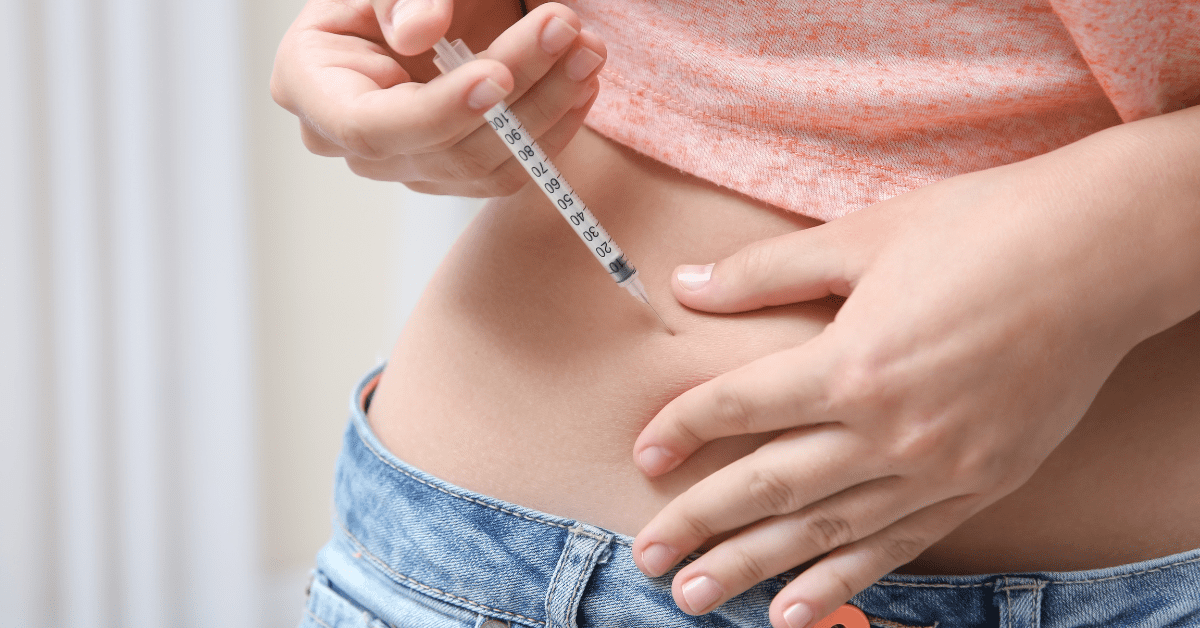
Hormonal imbalances, especially those involving insulin resistance, are key drivers in both PCOS and endometriosis. Insulin resistance occurs when the body’s cells become less responsive to insulin, leading to higher insulin levels in the blood. This disrupts metabolic processes and is often linked to fertility issues. But what exactly is insulin resistance, and how does it impact a woman’s ability to conceive?
What is Insulin Resistance?
When we eat carbohydrates, the body breaks them down into glucose, which enters the bloodstream. This triggers the pancreas to release insulin, a hormone that helps cells absorb glucose for energy. In women with insulin resistance, the body’s cells don’t respond to insulin as effectively, leading to high blood sugar levels and an increase in insulin production.
Increased insulin levels stimulate the ovaries to produce more androgens (male hormones like testosterone), which can interfere with ovulation, cause the formation of cysts, and disrupt the hormonal balance necessary for fertility.
The Impact on Fertility
When insulin resistance is present, it can lead to a cascade of problems that interfere with fertility:
- Irregular periods: Insulin resistance can prevent the regular shedding of the uterine lining, leading to missed or irregular cycles.
- Increased androgens: High insulin levels drive the ovaries to produce more testosterone, resulting in symptoms like acne, facial hair, and thinning hair.
- Anovulation: Insulin resistance can prevent proper ovulation, meaning the ovaries fail to release eggs, leading to infertility.
Managing Insulin Resistance
Managing insulin resistance through lifestyle changes like diet, exercise, and stress management can have a significant impact on fertility. Some of the most effective methods include:
- Low-carb diets: Reducing carbohydrate intake helps stabilize blood sugar and insulin levels.
- Regular exercise: Physical activity improves insulin sensitivity, making it easier for the body to process glucose.
- Stress reduction: Chronic stress can worsen insulin resistance and contribute to hormonal imbalances, so practices like mindfulness, yoga, and regular sleep can help.
In addition to these lifestyle changes, there are several medical treatments available for managing insulin resistance and improving fertility.
Medications for Insulin Resistance
- Metformin: Commonly used to improve insulin sensitivity, metformin helps reduce blood sugar levels, leading to more regular cycles and improved fertility in women with PCOS.
- GLP-1 Medications: Medications like Ozempic and Wegovy, traditionally used for weight loss and diabetes management, have also shown promise in treating insulin resistance and helping women with PCOS lose weight, which in turn improves fertility.
Supplements for Insulin Resistance
- Inositol: A supplement commonly used in PCOS management, inositol helps improve insulin sensitivity and regulate menstrual cycles.
- Vitamin D: Studies have shown that low levels of vitamin D contribute to insulin resistance. Supplementing with vitamin D can help improve insulin sensitivity and support hormonal balance.
If you’ve been diagnosed with insulin resistance or hormone imbalances, we can help. Book a free health consult with 1st Optimal to start your journey toward balanced hormones and improved fertility.
Advanced Treatment Options for PCOS and Endometriosis
While lifestyle changes and medications are essential for managing conditions like PCOS and endometriosis, there are also advanced treatment options available that can significantly improve fertility outcomes. Whether through medical therapies or assisted reproductive technologies, these treatments can help women facing severe fertility challenges.
Hormonal Treatments
Birth Control Pills: While often the first treatment offered for PCOS, birth control pills can help regulate periods and manage symptoms like acne and excess hair growth. However, they don’t address the underlying cause of PCOS, which is insulin resistance and hormonal imbalance.
Hormone Replacement Therapy (HRT): For women with endometriosis, HRT can help manage symptoms by regulating estrogen levels and reducing the growth of endometrial tissue. This can alleviate pain and improve fertility chances for women suffering from this condition.
These treatments offer a holistic approach to managing PCOS and endometriosis, allowing for better overall health and improved fertility.
Fertility Treatments: IVF and Beyond
For women who have not responded to lifestyle changes, medications, or peptide therapies, assisted reproductive technologies like IVF (in vitro fertilization) and IUI (intrauterine insemination) may be necessary. These treatments can help bypass some of the fertility challenges posed by conditions like PCOS and endometriosis.
IVF for PCOS and Endometriosis
In IVF, eggs are retrieved from the ovaries and fertilized in a lab before being implanted in the uterus. This is particularly helpful for women with PCOS, as it bypasses the need for the ovaries to release eggs naturally, which is often problematic due to anovulation (lack of ovulation). For women with endometriosis, IVF can help overcome issues caused by scarring or adhesions in the reproductive organs.
IUI for Women with Ovulation Issues
IUI involves placing sperm directly into the uterus during ovulation, increasing the chances of fertilization. This is often used in cases of mild male infertility or ovulatory disorders like those caused by PCOS.
Looking for personalized fertility treatment options? Book a free consultation with 1st Optimal today and explore how our hormone optimization services can help you on your fertility journey.
Taking Control of Your Fertility Health
PCOS and endometriosis are complex conditions, but with early diagnosis and personalized treatment plans, fertility challenges can be managed. Whether you’re struggling with irregular cycles, fertility issues, or hormonal imbalances, there are solutions that can help. At 1st Optimal, we specialize in hormone optimization, functional medicine, and fertility support, offering a range of diagnostic testing and treatments to empower women on their fertility journey.
By focusing on insulin resistance, hormonal balance, and overall wellness, we can help you take control of your reproductive health and start your journey toward a healthier, more vibrant life.
Are you ready to take charge of your fertility health? Book a free health consult with 1st Optimal today and discover how personalized care can help you achieve your fertility goals.
References:
- Bonavina G et al. Endometriosis‑associated infertility: pathophysiology to treatment. Front Endocrinol 2022.
- Kalaitzopoulos DR et al. Treatment of endometriosis: review of eight guidelines. BMC Womens Health 2021.
- La Marca A et al. Fertility preservation in women with endometriosis. HROpen 2025.
- Hardy M et al. Evidence‑based management of patients with endometriosis before & during ART. TOG (The Obstetrician & Gynaecologist) 2024.
- Elizur SE et al. Endometriosis and infertility: pathophysiology, treatment review. PMC 2025.


