

Introduction
If you want elite results with a real-life schedule, stop guessing. Train like a hybrid. Eat to support muscle and recovery, use sleep and breathwork to move HRV, periodize stress with heat and cold, and let labs and wearables steer the plan. This protocol turns high-performance principles into a practical system for busy adults 35–55 who want energy, lean mass, and longevity without burnout. You’ll see how protein, carb timing, sleep, HRV trends, inflammation control, hormone care, GLP-1s, peptides, and functional medicine lab testing fit together.
Why a hybrid protocol works
Elite performers organize stress and recovery on purpose. They use food as a lever, sleep as training, and HRV trends to set volume and intensity. The same approach works for executives and parents. The evidence supports higher protein during training blocks, carbohydrate timing for glycogen and repeat effort, sleep schedules for endocrine balance, slow breathing to shift vagal tone, and smart use of heat and cold to manage fatigue. Combine these levers and you get durable progress, fewer plateaus, and better adherence.
The 8 essentials in 60 seconds
• Protein 1.6 to 2.2 g per kg per day
• Carbs placed around training, fats for satiety
• Sleep 7.5 to 9 hours with a set wake time
• Breathwork 2 to 5 minutes daily for vagal tone
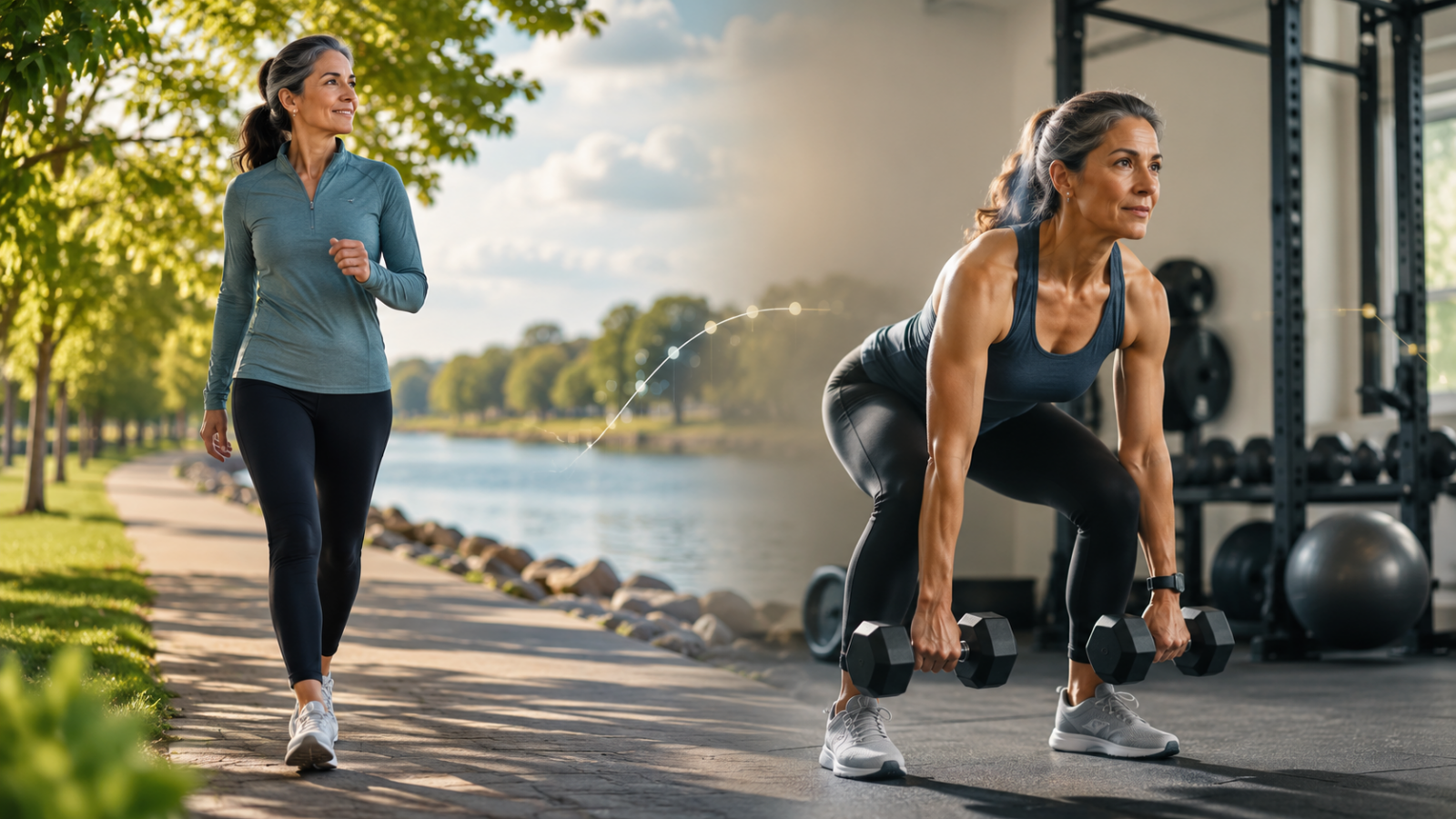
• Zone 2 cardio 2 to 3 sessions weekly
• Strength 2 to 4 sessions with planned deloads
• Sauna 2 to 4 times weekly; cold after hardest conditioning
• Labs and wearables to steer volume and therapy decisions
Precision nutrition
Protein
• Target 1.6 to 2.2 g per kg body weight per day.
• Upper end preserves lean mass during fat loss if kidney function is normal.
• Distribute across 3 to 5 meals; anchor training with at least 0.3 g per kg.
• Creatine monohydrate 3 to 5 g daily supports strength and cognition for many adults.
Carbohydrates
• Daily range 3.0 to 5.0 g per kg, adjusted to training load and goals.
• Pre training: easy-to-digest carbs 30 to 90 minutes before lifting or conditioning.
• Post training 0 to 2 hours: 0.8 to 1.2 g per kg carbs plus 0.3 g per kg protein if you train again within 24 hours or you finished a large session.
Fats
• Fill remaining calories with mostly unsaturated fats.
• Include omega-3 foods or supplemental EPA plus DHA as indicated.
Micronutrients that often matter
• Vitamin D only when indicated by testing and clinical context.
• Magnesium glycinate 200 to 400 mg nightly as tolerated.
• Electrolytes during long heat sessions or intense conditioning.
• Iron and ferritin for women with heavy cycles or athletes with high volume.
Practical plate method by day type
• Strength day: protein high, carbs higher, fats moderate.
• Conditioning day: protein high, carbs moderate to high, fats lower pre session.
• Rest day: protein high, carbs moderate to low, fats higher.
Protein target quick math
• Cut phase: body weight in pounds × 0.8 to 1.0 equals grams per day
• Maintenance: body weight in pounds × 0.7 to 0.9
• Growth: body weight in pounds × 0.9 to 1.1
Thermal recovery playbook
Cold water immersion
• Use 8 to 12 minutes total on high fatigue days. Water 40 to 55°F.
• Best after conditioning, contact, or tournament-style blocks.
• Use sparingly during pure hypertrophy cycles.
Sauna or heat exposure
• 2 to 4 sessions per week. About 180°F in 2 to 3 rounds of 10 to 15 minutes as tolerated.
• Benefits include relaxation and cardiometabolic support.
• Hydrate and replace electrolytes.
Simple schedule
• Most weeks: sauna 2 to 3 times.
• Add cold after the hardest conditioning day.
• Avoid cold immediately after heavy strength if muscle growth is your priority.
Sleep that moves HRV
Targets and environment
• 7.5 to 9 hours for most high-performing adults.
• Room near 65°F, dark, quiet.
• Screens off 60 minutes before bed.
• Caffeine cut off 8 hours before bedtime. Alcohol near bedtime disrupts sleep.
Sleep support you can test
• Magnesium glycinate and L-theanine are reasonable first trials.
• Tart cherry in the evening may support sleep and recovery on heavy weeks.
• Consistent wake time matters more than occasional late nights.
HRV connection
• Sleep duration and continuity help raise HRV.
• Use trends over weeks, not a single night.
• HRV down plus high fatigue is a cue to lower volume.
Cognitive conditioning
Breathwork
• Slow nasal breathing 4.5 to 6.5 breaths per minute supports vagal tone and attention.
• Use box breathing 4-4-4-4 during cooldown or between work sets.
Imagery and focus
• Short PETTLEP-style visualization before key lifts supports motor learning.
• Rehearse the rep, then lift. Keep it brief and specific.
Between-meeting resets
• Two to five minutes of slow breathing before important calls.
• A short walk outside after lunch for light exposure and mood.
Wearables and biomarkers
What to track weekly
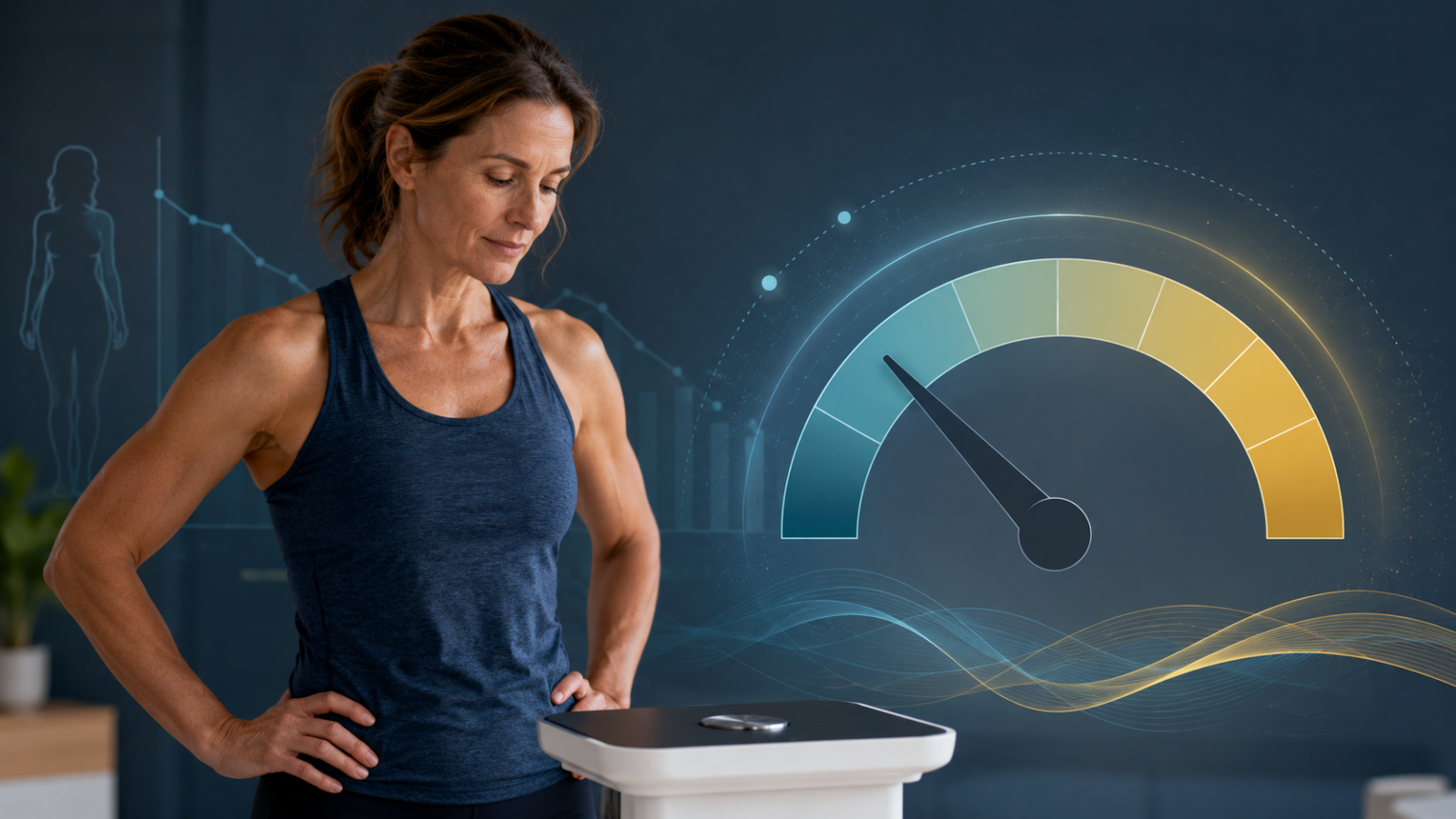
• HRV nightly average and trend
• Resting heart rate
• Total sleep time and wake after sleep onset
• Steps and low-intensity activity minutes
• Training volume by lift and by zone
Quarterly labs we like
• CBC, CMP, fasting lipids, apoB if available
• HbA1c, fasting glucose, fasting insulin
• Thyroid panel with TSH, free T4, free T3 when appropriate
• hs-CRP and sometimes ferritin and iron studies
• Sex hormones by context. For men with symptoms, total testosterone and free testosterone plus SHBG in morning samples. For women in midlife, evaluate symptoms and individualized options per menopause guidance.
How to use the data
• If HRV trends down and fatigue is high, deload or cut volume 20 to 30 percent for 3 to 5 days.
• If hs-CRP is elevated without acute illness, audit sleep, training load, body fat, and nutrition.
• If A1C, fasting insulin, or triglycerides are high, shift carbs toward training windows, increase protein and movement, and consider a weight-loss phase when appropriate.
Inflammation control stack
Lifestyle first
• Sleep and stress routines come before pills.
• Program low-intensity movement most days.
• Periodize strength and conditioning rather than stacking both to failure.
Evidence-aligned tools
• Omega-3s 2 to 3 g per day combined EPA plus DHA with meals can reduce CRP and IL-6.
• Curcumin with piperine or high-bioavailability forms may reduce soreness and inflammatory markers.
• Tart cherry concentrate around hard blocks can reduce muscle damage and soreness.
• Massage and soft-tissue work support relaxation and parasympathetic tone.
Hormones, GLP-1s, and peptides
Testosterone therapy in men
• Indicated for symptomatic hypogonadism confirmed on labs and clinical evaluation.
• Follow Endocrine Society guidance. Dosing and monitoring are individualized.
• Monitor symptoms, hematocrit, lipids, and PSA by age and risk.
Women’s hormone care
• Menopausal hormone therapy remains the most effective treatment for vasomotor symptoms per NAMS.
• Dose, route, and duration are individualized to symptoms, risk factors, and preferences.
• Bone health and quality of life matter. Revisit often.
GLP-1 weight loss programs
• Once-weekly semaglutide 2.4 mg plus lifestyle produced significant weight loss in trials.
• Protect lean mass with protein at 1.6 to 2.2 g per kg and resistance training.
• Monitor GI tolerance, hydration, micronutrients, and progressive overload.
Peptides
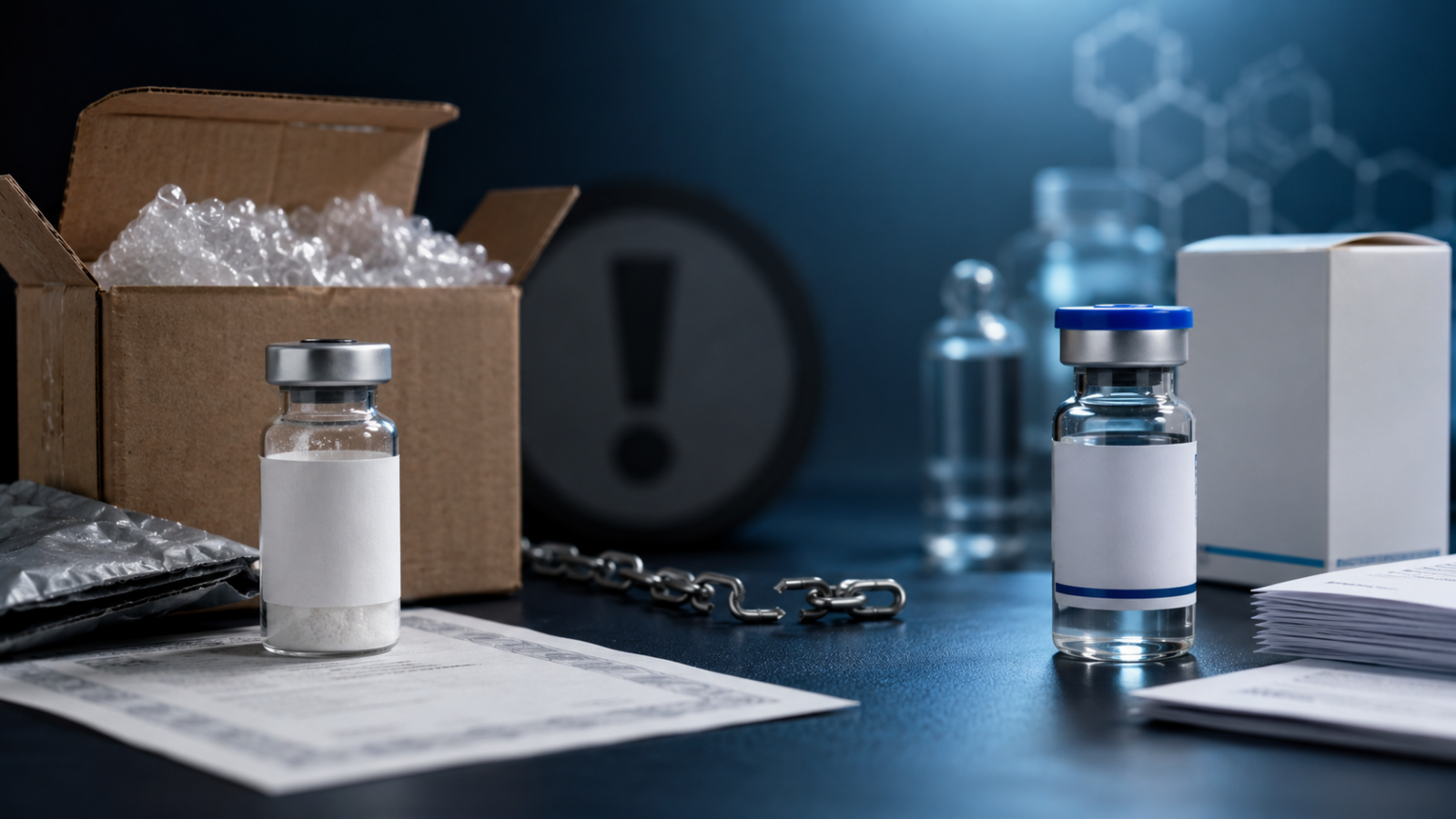
Education only. Some recovery-oriented peptides are investigational or restricted. Selection, sourcing, and monitoring must be clinician guided.
Safety and ethics
• Avoid unverified sources.
• Use shared decision making, baselines, and follow-up labs.
• Stack lifestyle first, then layer medication or hormone therapy where indicated.
Men’s hormones: free vs total testosterone explained
Simple definitions
• Total testosterone: all testosterone in blood, bound and unbound.
• Free testosterone: the unbound fraction that can act at receptors.
• SHBG: binding protein that changes free levels even when total looks normal.
When SHBG changes the picture
• High SHBG can show up with low caloric intake, endurance overload, thyroid issues, or age.
• Low SHBG can show up with high insulin, obesity, or androgen exposure.
• If symptoms exist and total looks fine, check SHBG and free testosterone using a reliable method. Morning, fasting, and repeat testing matter.
Morning labs and repeat-test rules
• Draw labs between 7 and 10 a.m. on two separate mornings.
• Avoid hard training and alcohol the day before.
• Record sleep and illness status.
• Recheck abnormal values before big decisions.
Quick contrast
• Total T: good screening, influenced by SHBG
• Free T: better symptom correlation when SHBG is abnormal
• SHBG: context marker that shifts free T and dose choices
Clomiphene vs TRT for men who want fertility
Pros and cons at a glance
• Clomiphene citrate: can stimulate endogenous testosterone and preserve fertility.
• TRT: can suppress sperm production without a fertility plan.
• Choice depends on symptoms, labs, family plans, and clinician judgment.
Monitoring and milestones
• With Clomid: monitor total and free testosterone, estradiol, hematocrit, mood, libido, and semen parameters when relevant.
• With TRT: monitor hematocrit, lipids, estradiol, PSA by age and risk, symptoms, and dose timing.
Snippet answer
Is Clomid better than TRT for men who want kids
Clomid often preserves fertility because it boosts the body’s own signal, while TRT can suppress sperm production. The right choice depends on symptoms, labs, and family plans.
Women’s midlife performance stack
Menopause, muscle, and recovery
Estrogen decline affects vasomotor symptoms, sleep, and muscle quality. Resistance training, sufficient protein, creatine, and high-quality sleep protect strength, bone, and cognition. Menopausal hormone therapy may be considered for symptom relief and bone protection after an individualized risk discussion.
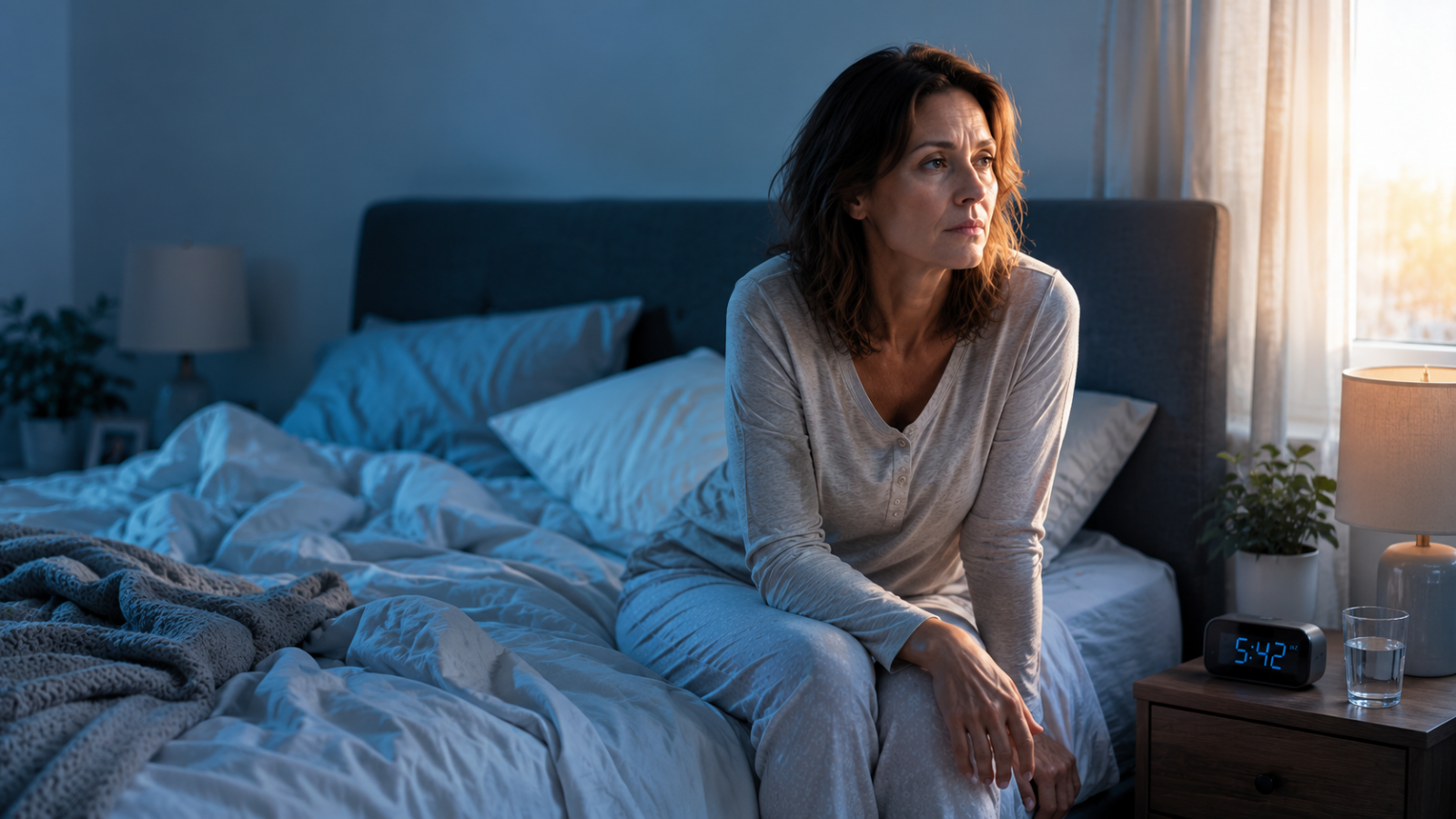
Sleep routines that lift HRV
• Consistent wake time, cool room, dark environment, and short evening breathwork.
• If hot flashes disrupt sleep, address temperature, hydration, and discuss therapy options with a clinician.
Protein and creatine targets for midlife women
• Protein 1.6 to 2.0 g per kg daily with 25 to 40 g per meal.
• Creatine 3 to 5 g per day supports training and cognition for many women.
• Calcium and vitamin D strategies guided by diet and lab status.
Cardio methods that play nice with lifting
Zone 2 vs HIIT vs Threshold
Method: Zone 2 | Goal: base and recovery | Intensity: talk in full sentences | Time: 40–60 minutes | Adaptations: mitochondria, fat oxidation
Method: Threshold | Goal: endurance performance | Intensity: hard, steady | Time: 2×12 or 3×8 minutes | Adaptations: lactate clearance, stamina
Method: HIIT | Goal: power and VO2 | Intensity: very hard intervals | Time: 10×1 minute | Adaptations: VO2 max, economy
Three weekly templates you can copy
Template A, two cardio days
• Day 1: Zone 2 for 40 to 50 minutes
• Day 2: Intervals 6×2 minutes hard with 2 minutes easy
Template B, three cardio days
• Day 1: Zone 2 for 45 minutes
• Day 3: Threshold intervals 3×8 minutes
• Day 6: Zone 2 for 50 to 60 minutes
Template C, four cardio days
• Day 1: Zone 2 40 minutes
• Day 3: HIIT 10×1 minute hard, 1 minute easy
• Day 5: Zone 2 45 minutes
• Day 7: Threshold 2×12 minutes
HRV-guided training made simple
Red, yellow, green rules
• Green: HRV near or above baseline, resting HR stable or down. Train as planned.
• Yellow: HRV modestly down, fatigue mildly up. Trim volume by 10 to 20 percent.
• Red: HRV clearly down, resting HR up, fatigue high. Deload 20 to 30 percent or do movement only.
What to do when HRV tanks during travel
• Prioritize sleep, light activity, hydration, and two short mobility sessions.
• Use Zone 2 instead of intervals.
• Resume heavy training only after two green days.
Mini case examples
Perimenopausal executive
Profile: 45-year-old director with sleep disruption and afternoon energy crashes.
Plan: protein 1.8 g per kg, creatine daily, two strength sessions, two Zone 2 sessions, magnesium and tart cherry trials, breathwork before bed, optional discussion of menopausal therapy.
Sixteen weeks: sleep up by 50 minutes, HRV trend up, hot flash frequency down, leg press up 20 percent, body fat down 4 percent by DEXA.
Founder with late nights
Profile: 41-year-old founder, late meetings and travel.
Plan: protein 1.7 g per kg, carb timing, three strength days, one HIIT, one Zone 2, sauna 3 times weekly, cold plunge once weekly after conditioning only, omega-3 at 2 g EPA plus DHA, vitamin D repletion if low, HRV-based deloads.
Twelve weeks: weight down 6.4 percent, HRV up 9 ms, hs-CRP 1.1 mg per L, average sleep 7.3 hours, joint pain down, steady strength gains.
Start this in 14 days
- Day 1: Book a free consult. Choose your lab panel and wearable setup.
- Days 2–4: Hit protein 1.6 to 2.0 g per kg. Move 30 to 40 percent of carbs around training.
- Days 5–7: Lock a consistent sleep routine. Room near 65°F. Reduce screens at night.
- Days 8–10: Add sauna 2 to 3 times and one cold session after the hardest conditioning day.
- Days 11–14: Review HRV trend. Adjust training volume 10 to 20 percent if recovery lags. Add omega-3s if appropriate.
FAQs
Q: What is a human performance protocol
A coordinated system that aligns training, recovery, nutrition, sleep, breathwork, and medical monitoring with a specific goal. It uses HRV to adjust weekly volume and labs to refine therapy choices.
Q: Does Zone 2 improve HRV
Zone 2 supports autonomic balance through a better aerobic base and lower stress per minute. Many adults see steadier HRV trends with regular Zone 2 and good sleep.
Q: How much protein per meal for muscle
Aim for 25 to 40 grams per meal, adjusted to body size and daily target. Include a quality protein with each feeding window.
Q: Is creatine safe for women in midlife
Creatine monohydrate is well studied and generally safe when taken as directed. It supports strength and may support cognition for many adults.
Q: What labs show overtraining
Trends matter more than one lab. Watch HRV, resting heart rate, hs-CRP, ferritin, and thyroid context. Pair with symptoms like persistent fatigue and poor sleep.
Q: What HRV number is good for a 40-something
There is no universal target. Track your baseline and aim for upward trends over 8 to 12 weeks. Focus on performance and sleep quality.
Q: Is sauna a replacement for cardio
No. Sauna can support cardiovascular health markers, but it does not replace the adaptations from aerobic training.
Q: Can GLP-1s cause muscle loss
Lean mass can drop during any weight-loss phase. Protect muscle with protein 1.6 to 2.2 g per kg, two to three strength sessions weekly, and progressive overload.
Q: Free vs total testosterone explained
Total testosterone is all testosterone in circulation. Free testosterone is the unbound fraction that can act at receptors. SHBG strongly influences free levels.
Q: Is Clomid safer than TRT
Clomid can preserve fertility by stimulating the body’s own signal. TRT may suppress sperm production. The best choice depends on symptoms, labs, and plans for children.
References:
- Morton RW et al. Protein supplementation and resistance training. Br J Sports Med. 2018.
- Nunes EA et al. Protein requirements for athletes. Nutrients. 2022.
- Thomas DT, Erdman KA, Burke LM. Position stand on nutrition and athletic performance. 2016, continuing relevance.
- Alghannam AF et al. Carbohydrate feeding and glycogen resynthesis during limited recovery. 2018.
- Margolis LM, Pasiakos SM. Carb and protein co-ingestion in recovery. Nutrients.
- Watson NF et al. AASM consensus on adult sleep. Sleep.
- Korman N et al. L-theanine and sleep quality meta analysis. Nutrients.
- Abbasi B et al. Magnesium supplementation and sleep quality. J Res Med Sci.
- Howatson G et al. Tart cherry and sleep recovery. Eur J Nutr.
- Peake JM et al. Cold water immersion review. Int J Sports Med.
- Machado AF et al. Icing and cold water immersion meta analysis. Sports Med.
- Laukkanen T et al. Sauna and cardiovascular risk. JAMA Intern Med.
- Laukkanen JA et al. Sauna and health outcomes review. Mayo Clin Proc.
- Kunutsor SK et al. Sauna and mortality. BMC Med.
- Zaccaro A et al. Breathing and autonomic modulation. Front Hum Neurosci.
- Laborde S, Mosley E, Thayer JF. HRV and self regulation. Front Psychol.
- Kiviniemi AM et al. HRV guided endurance training. Med Sci Sports Exerc.
- de Zambotti M et al. Wearable validation for sleep and HRV. Multiple studies.
- NIH Office of Dietary Supplements. Vitamin D fact sheet.
- Bhasin S et al. Endocrine Society guideline on testosterone therapy. J Clin Endocrinol Metab.
- North American Menopause Society. 2022 position statement on hormone therapy. Menopause.
- Wilding JPH et al. Semaglutide for weight management. N Engl J Med.
- Khan S, Minihane AM et al. Omega-3 fatty acids and inflammatory markers. Systematic reviews.
- Dawczynski C et al. Fish oil and CRP in trained individuals.
- Drobnic F et al. Curcumin and exercise-induced muscle damage.
- Jäger R et al. ISSN position stand on creatine.
- Sports Med meta analyses on tart cherry and recovery.
- Handelsman DJ. Free vs total testosterone and SHBG. Clin Biochem Rev.
- Taylor HS et al. Menopause management and bone health. NAMS resources.
- Contemporary reviews on HRV, Zone 2, VO2 max adaptations.