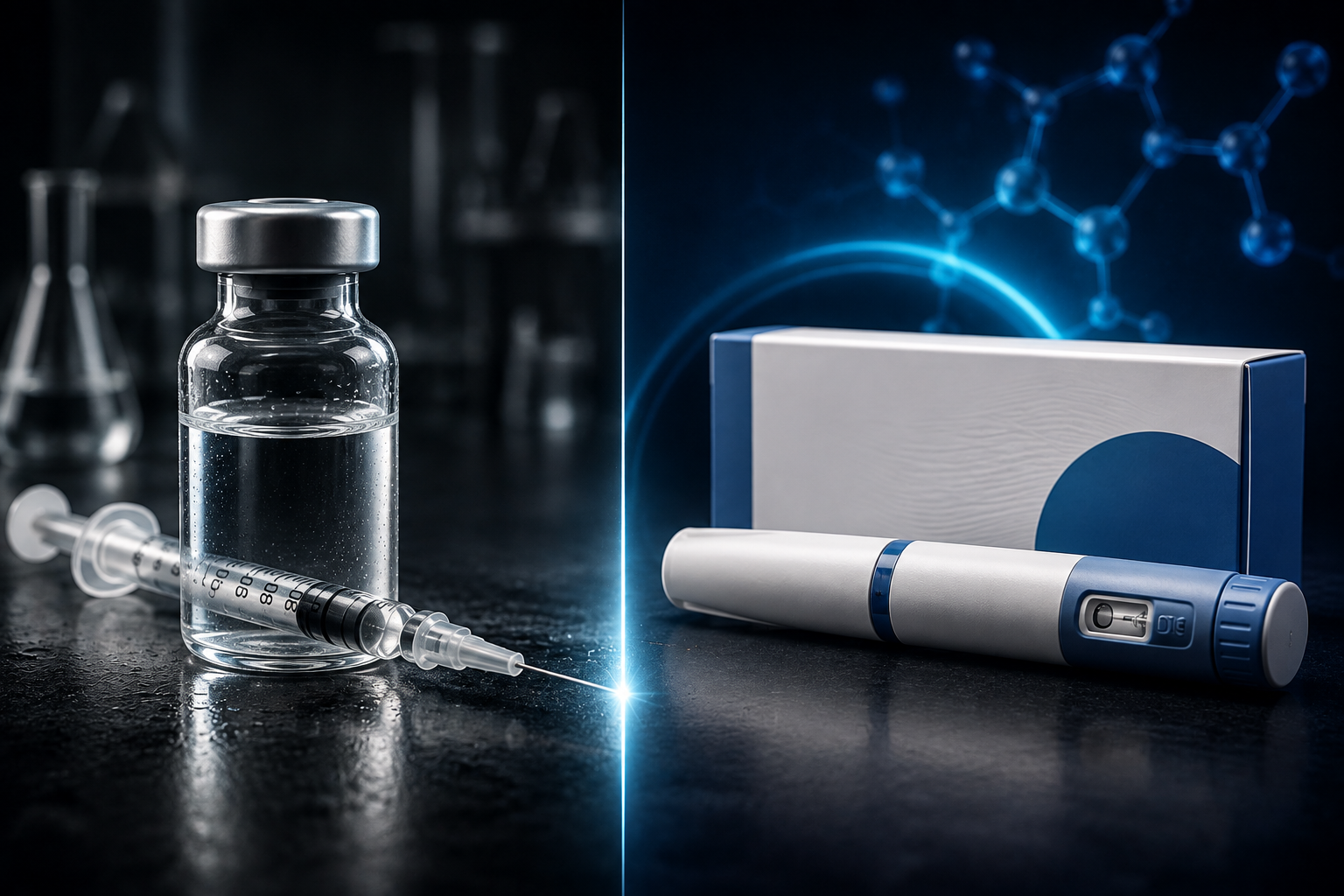


What Are Peptides and How Do They Work?
Peptides are short chains of amino acids that serve as messengers, telling your body what to do at a cellular level. They regulate essential processes such as healing tissue, burning fat, building muscle, and even managing hormone levels. However, as we age, the natural production of peptides declines, leading to various health issues, including decreased energy, muscle loss, and fat gain.
This article will explore how peptides work, their benefits, and why they are becoming a cornerstone in functional medicine.
Introduction
Peptides have become one of the most talked-about health solutions in recent years. However, many people still don’t understand what they are or how they work. While your body already produces peptides naturally, production slows down with age. This decrease is linked to several aging-related issues, including slower recovery, reduced muscle mass, increased fat storage, and sluggish metabolism.
Fortunately, functional medicine and peptide therapy can help restore your body’s natural peptide levels, bringing balance to your hormones, improving your metabolic health, and boosting overall energy and vitality.
In this article, we’ll break down the science behind peptides, explore their various benefits, and guide you on how they can improve your health.
What Are Peptides?
Peptides are essentially short chains of amino acids that serve as messengers in your body. Think of them as signals that tell your cells what to do, whether it’s to repair tissue, promote fat loss, regulate hormones, or build muscle.
Your body already produces peptides naturally, but as you age, the production of these essential messengers declines. This is where peptide therapy comes in, to help replenish and optimize peptide levels, improving various bodily functions.
How Do Peptides Actually Work?
Peptides trigger specific processes at the cellular level. Their role is to signal cells to perform crucial functions, such as:
- Growth hormone release: Some peptides stimulate growth hormone production, which can enhance muscle mass and fat loss.
- Accelerating tissue repair: Certain peptides accelerate tissue healing, making them beneficial for injury recovery and skin health.
- Regulating metabolism: Some peptides can enhance metabolism, helping with fat loss and muscle maintenance.
- Targeting fat loss: Peptides can help target fat at the cellular level, aiding in weight management.
Unlike traditional treatments that mask symptoms, peptides directly address the root causes of dysfunction.
The Benefits of Peptides
Peptides offer a wide range of benefits. Here are five benefits most experts don’t mention, but you should know:
- Improved skin elasticity and reduced wrinkles – Peptides can improve skin health better than most topical treatments.
- Support fat loss without destroying your metabolism – Unlike harsh weight-loss drugs, peptides regulate fat loss without compromising your metabolism.
- Enhanced muscle growth and recovery – Peptides help promote muscle regeneration, making them ideal for recovery after exercise.
- Boosted energy and cellular metabolism – By improving cellular function, peptides can increase your energy levels and overall metabolism.
- Improved gut lining and reduced inflammation – Certain peptides play a vital role in gut health by improving the gut lining and reducing inflammation.
Are Peptides Safe?
Peptides can offer incredible benefits, but dosage and quality matter. It’s essential to use peptides under medical supervision to ensure safety.
- Dosage matters: Incorrect dosages can lead to ineffective or harmful results.
- Quality matters: Peptides should be sourced from reputable suppliers to avoid contamination.
- Medical supervision matters: A healthcare professional trained in peptide therapy should guide your treatment.
The wrong peptide at the wrong dose can do more harm than good. Always consult with a provider who understands hormone optimization and peptide therapy.
The Peptides Most People Ask About
Some peptides are more widely used than others. Here are the most commonly asked-about peptides:
- Wolverine Stack – Known for gut healing, tissue repair, and injury recovery.
- Tesamorelin – A peptide that targets fat loss and lean tissue growth.
- Semorelin – Stimulates growth hormone release, aiding fat loss, muscle growth, and better sleep.
- Semaglutide – Regulates appetite and is commonly used for weight management.
- PT-141 – Targets libido and sexual health.
Each of these peptides targets a different system in the body, which is why cookie-cutter protocols often fail. Personalized peptide therapy is key to getting the most out of these treatments.
How to Actually Incorporate Peptides into Your Routine
Don’t self-prescribe or buy peptides from unreliable online vendors. Here’s how to safely incorporate peptides into your health regimen:
- Get comprehensive lab work done first: Testing is crucial to understand your body’s needs.
- Work with a provider who understands hormone optimization: Seek expert advice to ensure you’re using the right peptide for your needs.
- Start with one peptide targeting your biggest issue: This avoids overwhelming your system and allows for better monitoring.
- Monitor, test, and adjust: Regular testing ensures that your peptide therapy is working effectively and can be adjusted as needed.
By working with a knowledgeable provider, you’ll avoid wasted money on generic protocols and focus on solutions tailored to your needs.
Peptide Therapy vs. Traditional Treatments
Peptide therapy is a more targeted, personalized approach to treating health issues than traditional methods. Here’s a breakdown of how peptide therapy compares to other common treatments:
- Precision: Peptides target specific functions at the cellular level, whereas traditional treatments often rely on broader, less precise interventions.
- Fewer side effects: Since peptides work with your body’s natural processes, they generally have fewer side effects compared to medications that mask symptoms.
- Long-term results: Peptides promote healing and cellular regeneration, leading to sustainable health improvements.
If you’re ready to take the next step, explore our 1st Optimal membership to see how we support your health goals.
Our medical weight loss program pairs clinical expertise with personalized protocols for lasting results.
Curious about the process? See how 1st Optimal works at 1st Optimal.
FAQs:
- What are peptides used for?
Peptides are used for fat loss, muscle building, hormone regulation, tissue repair, and improving energy levels. - Can peptides help with weight loss?
Yes, peptides like Semaglutide can regulate appetite and help with weight management by improving metabolism. - Are peptides safe to use?
Peptides are safe when used under medical supervision. Incorrect dosages or poor-quality peptides can be harmful. - How do I incorporate peptides into my routine?
Start with a comprehensive lab test, work with a professional, and monitor your progress. - How long do peptides take to show results?
Results vary by individual and peptide type, but most people begin to notice changes within a few weeks.
Conclusion
Peptide therapy is a powerful tool for optimizing health, regulating hormones, and improving overall performance. By using peptides that target specific functions, you can achieve lasting results in muscle growth, fat loss, energy, and even skin health.
However, it’s essential to consult with a professional who understands peptide therapy to avoid self-dosing and unnecessary risks. Personalized guidance based on your lab results will ensure you get the best outcome.
Ready to optimize your health with peptides, hormone therapy, and more? Book a free health consult to get started.