
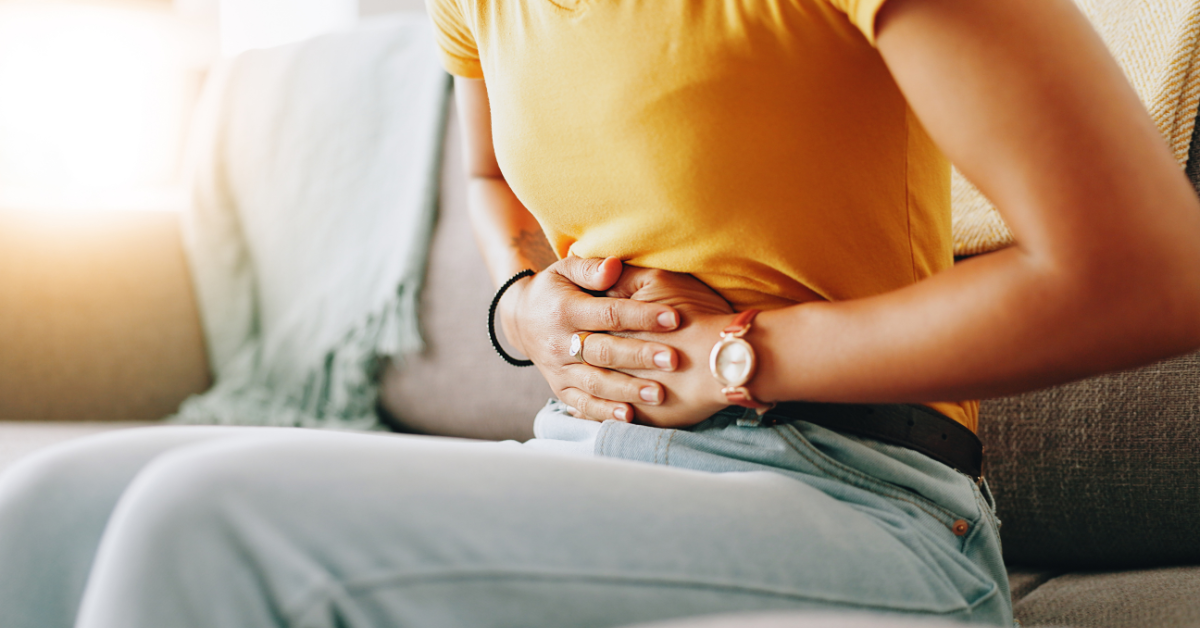
Period cramps can be as painful as a heart attack, making it essential to find natural ways to alleviate the discomfort. Many women rely on over-the-counter medications, but functional medicine offers a holistic approach to managing menstrual pain through diet, supplements, and lifestyle changes. In this post, we’ll explore the role of magnesium in reducing cramps and highlight the best foods to support hormone balance during your cycle.
The Role of Magnesium in Relieving Cramps
Magnesium is crucial for muscle relaxation, and its benefits extend to easing menstrual cramps. When magnesium levels are adequate, it helps relax uterine muscles, which can reduce cramping intensity and frequency.
Magnesium’s Impact on Uterine Muscles
Low magnesium levels can contribute to painful muscle contractions, leading to more severe cramping. Magnesium-rich foods can help prevent or reduce the intensity of cramps by supporting the smooth function of muscles and improving blood flow during menstruation.
Top Magnesium-Rich Foods to Combat Period Pain
Incorporating magnesium-rich foods into your diet can provide relief from cramps and promote overall health. Here are the top foods that are not only beneficial for period cramps but also support hormone balance.
Bananas
Bananas are an excellent source of magnesium, and they are easy to include in your daily diet. Eating just one banana a day can significantly reduce period pain due to its high magnesium content.
Spinach
Spinach is loaded with magnesium and is one of the best leafy green vegetables to help relax uterine muscles. Consuming spinach can help ease cramping and promote overall menstrual health.
Dark Chocolate
Dark chocolate (70% cocoa or more) contains magnesium, and its relaxing effects on muscles are paired with mood-boosting properties. It helps ease cramps and boosts serotonin, which can elevate mood during your cycle.
Avocados
Avocados are rich in both magnesium and healthy fats, both of which support hormone balance. Including avocados in your diet can help optimize your hormonal health and reduce period pain.
Almonds
Almonds are another magnesium-rich nut that not only helps reduce cramp intensity but also stabilizes blood sugar levels, ensuring your body remains balanced during your menstrual cycle.
How Magnesium Supports Hormonal Balance
Magnesium plays a pivotal role in balancing hormones, especially during menstruation. It regulates the secretion of stress hormones like cortisol and can even help reduce the severity of PMS symptoms.
Functional Medicine and Period Health
Functional medicine looks beyond just managing symptoms. It focuses on root-cause solutions, such as optimal diet, lifestyle adjustments, and hormone testing, to address underlying imbalances. For women struggling with period cramps, understanding the body’s unique needs through lab testing and personalized care can make a significant difference in their menstrual health.
Other Lifestyle Changes for Managing Period Pain
- Exercise: Regular moderate exercise can increase endorphin levels, which act as natural painkillers.
- Stress Management: Practices like yoga, meditation, and deep breathing can help reduce stress, which can exacerbate cramps.
- Hydration: Staying well-hydrated helps improve circulation and can alleviate bloating and discomfort associated with period cramps.
FAQs:
Q1: How can magnesium help with period cramps?
Magnesium helps relax the uterine muscles and improves blood circulation, which can reduce the intensity of cramps during menstruation.
Q2: What are some foods high in magnesium for period cramps?
Bananas, spinach, dark chocolate, avocados, and almonds are excellent sources of magnesium, which can help relieve cramps.
Q3: Can functional medicine help with period cramps?
Yes, functional medicine looks at the underlying causes of period pain, such as hormone imbalances or nutrient deficiencies, and creates a personalized treatment plan.
Q4: What is the best way to supplement magnesium for period cramps?
In addition to consuming magnesium-rich foods, magnesium supplements can be taken under the guidance of a healthcare provider to ensure optimal dosage.
Q5: How long should I wait to see results from dietary changes for period cramps?
It may take a few cycles to notice significant changes, but consistently eating magnesium-rich foods and implementing stress management techniques can provide relief over time.
Managing period cramps doesn’t have to mean relying solely on medication. By incorporating magnesium-rich foods, practicing functional medicine, and making lifestyle changes, you can alleviate the discomfort that comes with your cycle. Start optimizing your period health today and embrace a more holistic approach to managing menstrual pain.
Want to optimize your hormonal health and reduce period cramps? Book a free health consult with our team at 1st Optimal today and discover the right solution for your unique needs. Book a Free Consult
About Us
1st Optimal is a functional medicine and performance health clinic dedicated to helping high-achieving adults optimize hormone health, weight, energy, and longevity. Follow 1st Optimal on Instagram
Founders:
- Joe Miller – Expert in functional medicine, hormone optimization, and health coaching. Follow Joe on Instagram
- Amber Miller – Operational leader specializing in patient experience, clinic growth, and holistic health. Follow Amber on Instagram
At 1st Optimal, we combine advanced diagnostics, personalized protocols, and coaching partnerships to deliver sustainable health results for midlife adults.
