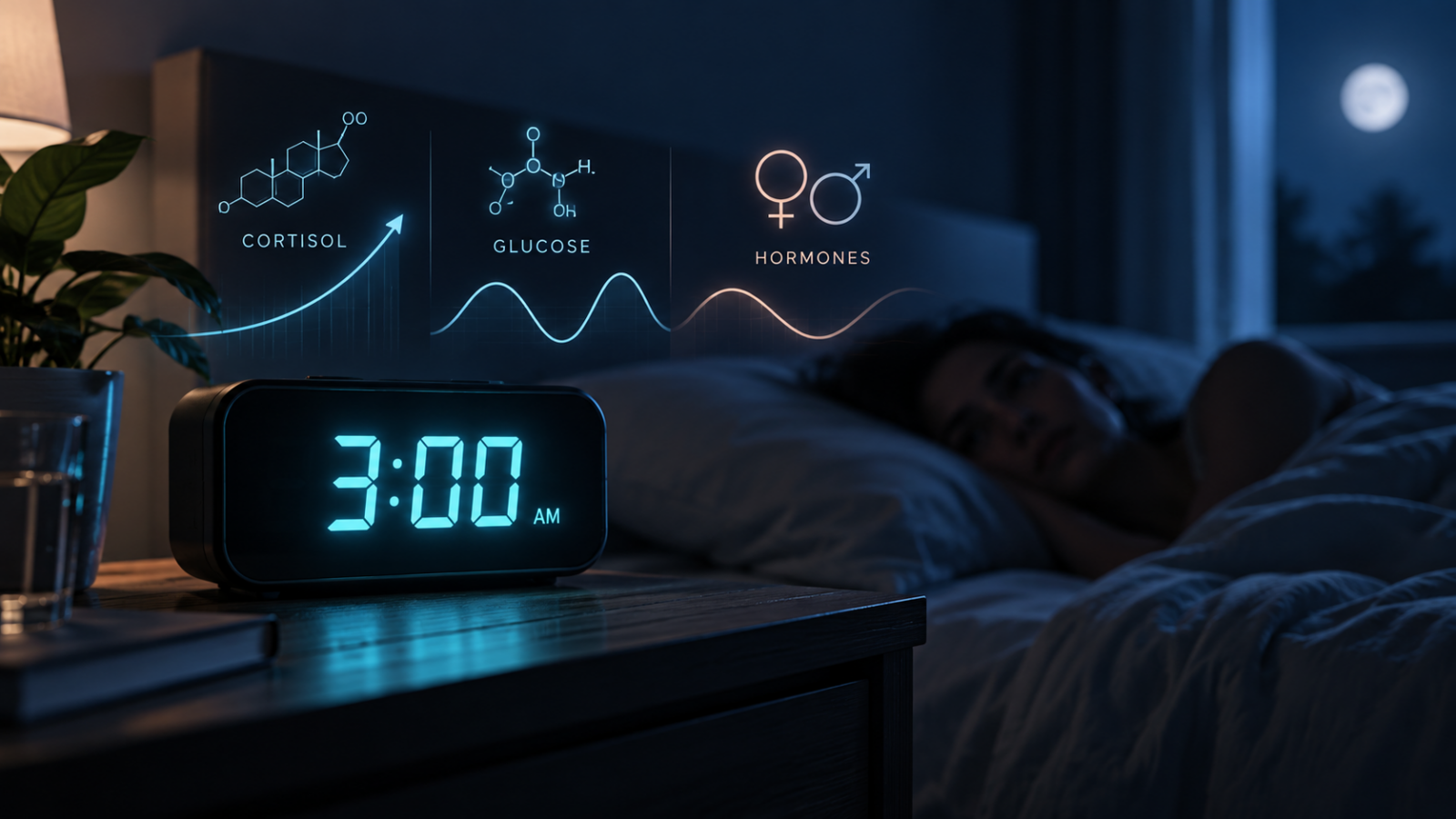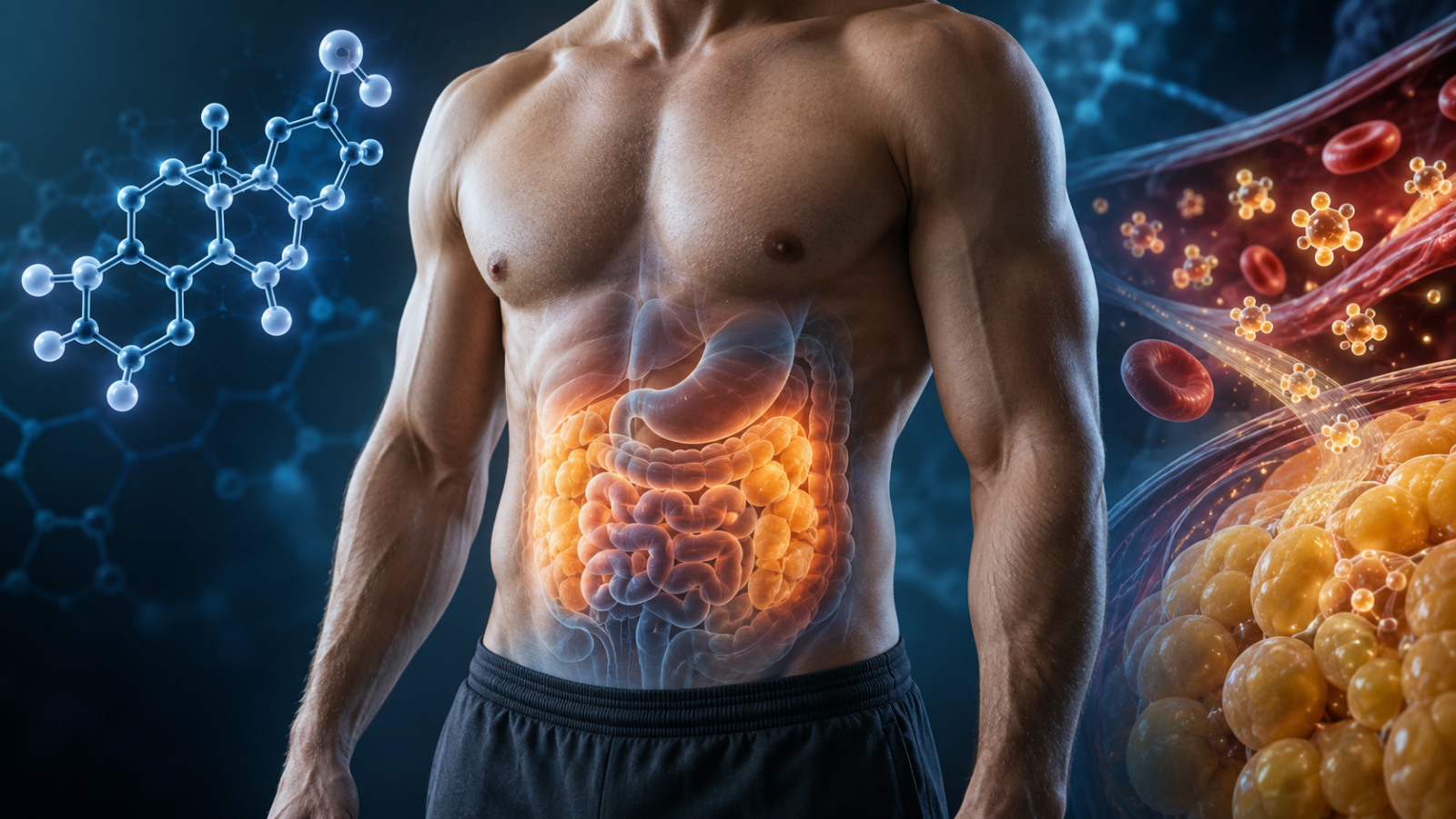


Hormone health used to get treated like a light switch.
You were either “normal” or “not normal.” Fine or broken. Young or aging. Functional or apparently doomed to become tired, moody, inflamed, under-recovered, and told to “sleep more” by someone who clearly has never met your calendar.
That old model is not enough.
Today, the smarter conversation around hormone therapy is shifting toward earlier evaluation, better lab testing, individualized care, and a root-cause approach that looks at the full system. Not just one hormone. Not just one symptom. Not just one number on a lab report.
Bioidentical hormone therapy has become part of that conversation because many people want options that work with the body’s natural physiology while addressing symptoms like fatigue, brain fog, stubborn weight gain, poor sleep, low libido, hot flashes, mood swings, poor recovery, and declining performance.
But there’s a lot of confusion around the word “bioidentical.”
Some people use it to mean “natural.” Some use it to mean “custom compounded.” Some use it like a marketing spell, because apparently humans needed one more health term to argue about online.
So let’s make this clear.
Bioidentical hormones are hormones that are structurally identical to hormones your body naturally produces. That does not automatically mean they are safer, better, or right for every person. It means the molecular structure matches human hormones. The real question is whether the right hormone, dose, delivery method, monitoring, and medical oversight are being used.
At 1st Optimal, the focus is not “more hormones.”
The focus is better data, better interpretation, and a personalized plan that supports energy, metabolism, sleep, mood, libido, body composition, and long-term health.
This guide breaks down what bioidentical hormone therapy is, how it may help women and men, why testing matters, and why your thyroid, gut, metabolism, and stress response all deserve a seat at the table.
Educational only, not medical advice. Hormone therapy requires evaluation and supervision by a licensed healthcare provider.
What Is Bioidentical Hormone Therapy?
Bioidentical hormone therapy uses hormones that have the same molecular structure as hormones naturally made by the human body.
Common examples include:
- Estradiol
- Progesterone
- Testosterone
- Thyroid hormones in specific medical cases
For women, bioidentical hormone therapy often focuses on estrogen, progesterone, and sometimes testosterone. For men, it often focuses on testosterone optimization, and in some cases thyroid, metabolic, or adrenal-related support.
The goal is not to push hormone levels as high as possible.
The goal is to restore balance, reduce symptoms, and support healthier function.
That distinction matters.
A well-designed hormone plan should account for:
- Symptoms
- Medical history
- Lab results
- Age
- Menstrual or menopause status
- Sleep
- Stress
- Body composition
- Cardiometabolic risk
- Fertility goals
- Thyroid function
- Gut health
- Medication history
- Safety markers
This is where many hormone programs go wrong.
They treat one hormone in isolation.
But hormones do not work in isolation. Your endocrine system includes glands such as the thyroid, pancreas, adrenals, pituitary, ovaries, and testes, and it influences metabolism, reproductive function, mood, growth, stress response, and energy regulation. (NIDDK)
So if someone looks only at testosterone, estrogen, or thyroid-stimulating hormone, also called TSH, they may miss the deeper pattern.
That’s how people end up “normal” on paper and still feel awful.
Bioidentical Does Not Always Mean Custom Compounded
This is an important point.
Bioidentical hormones can be found in FDA-approved medications and in compounded formulations.
FDA-approved options have gone through formal review for dose consistency, quality, safety, and efficacy. Compounded hormone therapy may be appropriate in select situations, such as allergies to inactive ingredients or a need for a dosage form not commercially available. However, the American College of Obstetricians and Gynecologists states that compounded bioidentical menopausal hormone therapy should not be prescribed routinely when FDA-approved formulations exist. (ACOG)
That does not mean all compounded care is bad.
It means hormone therapy should be prescribed carefully, monitored properly, and not sold as magic because someone put “custom” on the label.
The best question is not, “Is it bioidentical?”
The better question is:
Is this therapy appropriate for my body, my labs, my risks, my goals, and my symptoms?
That is where real care starts.
Why Hormone Symptoms Get Missed
Many people do not wake up one day feeling terrible.
It usually happens slowly.
Energy drops a little. Sleep gets lighter. Workouts feel harder. Recovery takes longer. Weight starts shifting toward the midsection. Libido fades. Mood gets more reactive. Brain fog shows up at the worst possible times, because apparently biology enjoys poor timing.
Then the person gets basic labs.
They’re told everything is “normal.”
But “normal” does not always mean optimal.
Reference ranges are broad. They can include people who feel great and people who are one bad night of sleep away from yelling at a printer.
A better hormone evaluation looks at both symptoms and labs.
For example, a person may have:
- Low-normal testosterone with low libido and poor recovery
- Fluctuating estrogen and progesterone with sleep disruption and mood swings
- Normal TSH but low free T3 or thyroid antibodies
- Normal fasting glucose but elevated fasting insulin
- Gut inflammation affecting nutrient status and hormone metabolism
- Chronic stress driving cortisol disruption and poor sleep
This is why 1st Optimal uses a root-cause model.
The goal is not to chase every symptom with a supplement or medication. The goal is to understand what is driving the symptoms.
Bioidentical Hormone Therapy for Women
For women, hormone changes often begin earlier than expected.
Perimenopause can start years before menopause. Menopause itself is defined as 12 consecutive months without a menstrual period, and the menopause transition often includes changes in cycle timing, sleep, mood, body composition, and vasomotor symptoms such as hot flashes or night sweats. (National Institute on Aging)
Many women are told they are “too young” for hormone changes.
That advice is often useless.
Women in their late 30s, 40s, and early 50s may experience major shifts in progesterone, estrogen, testosterone, thyroid function, insulin sensitivity, and cortisol rhythm.
Symptoms may include:
- Fatigue
- Brain fog
- Poor sleep
- Anxiety or irritability
- Mood swings
- Hot flashes
- Night sweats
- Low libido
- Vaginal dryness
- Irregular cycles
- Heavier or lighter periods
- Stubborn belly fat
- Loss of muscle tone
- Joint aches
- Poor workout recovery
None of these symptoms automatically means someone needs hormone therapy.
But they do mean the body is signaling change.
A proper evaluation can help determine whether bioidentical hormone therapy, lifestyle changes, nutrition, thyroid support, peptide therapy, gut work, or another intervention makes the most sense.
Estrogen, Progesterone, and Testosterone in Women
Women need estrogen, progesterone, and testosterone.
Not in the same amounts as men, obviously. Biology did manage at least one clear distinction.
But these hormones still matter.
Estrogen
Estrogen helps regulate:
- Menstrual cycles
- Vaginal and urinary tract health
- Bone density
- Skin health
- Brain function
- Temperature regulation
- Mood
- Cardiometabolic health
Menopause-related estrogen decline can contribute to hot flashes, night sweats, vaginal dryness, sleep disruption, and bone loss. Hormone therapy is considered the most effective treatment for vasomotor symptoms such as hot flashes and night sweats, and The Menopause Society notes that benefits often outweigh risks for many healthy women who start treatment before age 60 or within 10 years of menopause onset. (The Menopause Society)
Progesterone
Progesterone plays a major role in:
- Menstrual cycle regulation
- Endometrial protection when estrogen is used
- Sleep quality
- Nervous system calming
- Mood stability
For women with a uterus who use systemic estrogen therapy, progesterone or another progestogen is usually needed to protect the uterine lining. This is one of those details that should not be crowdsourced from a comment section.
Testosterone
Women also produce testosterone.
In women, testosterone supports:
- Libido
- Muscle strength
- Motivation
- Mood
- Bone health
- Energy
- Sexual function
Low testosterone is not always the problem, but it can be part of the picture. Testing matters because symptoms overlap with thyroid dysfunction, poor sleep, stress, nutrient deficiencies, under-eating, insulin resistance, and perimenopause.
At 1st Optimal, women’s hormone care is built around the full picture, not a one-size-fits-all protocol.
Start here: Women’s Hormone Health
Bioidentical Hormone Therapy for Men
Men’s hormone optimization usually gets reduced to one phrase:
“Low T.”
Useful? Sometimes.
Complete? Not even close.
Testosterone matters, but testosterone does not work alone. Men also need proper thyroid function, healthy insulin sensitivity, good sleep, stable mood, manageable inflammation, and strong cardiovascular markers.
Low testosterone may be associated with:
- Low libido
- Erectile dysfunction
- Fatigue
- Depressed mood
- Loss of muscle
- Increased body fat
- Poor recovery
- Brain fog
- Lower motivation
- Reduced morning erections
- Lower strength
Testosterone levels can decline with age, but guidelines emphasize confirming low testosterone with both symptoms and properly measured blood levels before starting therapy. The Endocrine Society recommends diagnosing hypogonadism only in men with consistent symptoms and unequivocally low serum testosterone, with confirmation using repeat morning fasting testosterone testing. (Mayo Clinic)
That matters because testosterone replacement therapy, or TRT, is not a wellness shortcut.
It is medical therapy.
And it needs monitoring.
A strong men’s hormone evaluation may include:
- Total testosterone
- Free testosterone
- Sex hormone-binding globulin, also called SHBG
- Estradiol
- Luteinizing hormone, also called LH
- Follicle-stimulating hormone, also called FSH
- Prolactin
- Complete blood count
- Comprehensive metabolic panel
- Lipids
- Hemoglobin A1c
- Prostate-specific antigen, also called PSA
- Thyroid markers
- Fasting insulin
- Inflammation and metabolic markers when appropriate
Why so many markers?
Because low energy is not always low testosterone.
Sometimes it is sleep apnea. Sometimes it is insulin resistance. Sometimes it is thyroid dysfunction. Sometimes it is chronic stress, under-recovery, alcohol intake, nutrient gaps, or a cardiovascular issue waving a tiny red flag while everyone stares at testosterone.
A real men’s hormone program should look at the whole system.
Start here: Men’s Hormone Health
Why “Just More Testosterone” Is a Weak Strategy
Some men assume hormone optimization means pushing testosterone higher.
That is a lazy strategy.
More is not always better.
A poorly managed TRT plan can lead to issues such as elevated hematocrit, acne, fluid retention, fertility suppression, mood changes, estrogen imbalance, or worsened sleep apnea in susceptible individuals. This is why medical screening, dosing, follow-up labs, and provider oversight matter.
A better strategy asks:
- Is testosterone truly low?
- Are symptoms consistent with low testosterone?
- Is free testosterone low or only total testosterone?
- Is SHBG affecting hormone availability?
- Is estradiol too low, too high, or appropriate?
- Is thyroid function contributing?
- Is sleep quality limiting recovery?
- Is insulin resistance suppressing energy and libido?
- Is the person trying to preserve fertility?
- Are cardiovascular and prostate markers being monitored?
That is actual medicine.
Not “inject and hope,” which is apparently how some corners of the internet decided to cosplay as endocrinology.
Learn more here: Testosterone Replacement Therapy
Why Basic Thyroid Testing Often Misses the Bigger Picture
Thyroid health is one of the biggest missing pieces in hormone care.
Many people get one thyroid marker tested: TSH.
TSH stands for thyroid-stimulating hormone. It is a signal from the brain to the thyroid gland. It is useful, but it is not the whole thyroid story.
The American Thyroid Association explains that free T4 testing can help assess how the thyroid gland is functioning when checked with TSH. (American Thyroid Association) MedlinePlus also notes that T3 testing measures triiodothyronine, an active thyroid hormone, and may help evaluate thyroid disease in specific cases. (MedlinePlus)
A more complete thyroid evaluation may include:
- TSH
- Free T4
- Free T3
- Reverse T3 in select cases
- Thyroid peroxidase antibodies
- Thyroglobulin antibodies
- Nutrient markers such as ferritin, vitamin D, selenium, zinc, or iodine status when appropriate
- Inflammation and metabolic markers
Why does this matter?
Because thyroid dysfunction can look like hormone imbalance.
Low thyroid function may contribute to:
- Fatigue
- Cold intolerance
- Constipation
- Dry skin
- Hair thinning
- Depression
- Brain fog
- Weight gain
- Irregular cycles
- High cholesterol
- Low exercise tolerance
So if a woman is struggling with weight gain, fatigue, and mood changes, it may not be “just menopause.”
If a man is tired, gaining belly fat, and losing drive, it may not be “just low T.”
The thyroid may be part of the story.
And if you treat sex hormones while ignoring thyroid health, you may still miss the reason the person feels off.
The Gut-Hormone Connection
Your gut is not just a digestion tube.
It helps regulate inflammation, nutrient absorption, immune function, blood sugar patterns, and hormone metabolism. Very glamorous work for an organ system most people only think about when it causes betrayal.
Gut health matters because hormones depend on raw materials and clearance pathways.
For example:
- Protein supports hormone transport, muscle repair, and metabolic health
- Healthy fats support steroid hormone production
- Fiber supports gut motility and estrogen metabolism
- The microbiome influences inflammation and immune signaling
- Poor digestion can affect nutrient status
- Blood sugar swings can disrupt energy, cravings, sleep, and mood
One key gut-hormone concept is estrogen metabolism.
The gut microbiome includes bacteria that influence how estrogen is processed and eliminated. When gut health is disrupted, estrogen clearance may become less efficient in some people. That does not mean every hormone issue is a gut issue, but it does mean digestion deserves attention.
Signs the gut may be contributing include:
- Bloating
- Constipation
- Diarrhea
- Food sensitivities
- Reflux
- Poor tolerance to high-fiber foods
- Skin flare-ups
- Brain fog after meals
- Fatigue after eating
- Irregular bowel movements
At 1st Optimal, gut health is often considered alongside hormones because the systems interact.
Start here: Gut Health Optimization
Blood Sugar, Insulin, and Hormone Balance
Insulin resistance is another major piece.
Insulin is the hormone that helps move glucose from the bloodstream into cells. When cells become less responsive to insulin, the body often produces more of it.
This can affect:
- Fat storage
- Energy swings
- Cravings
- Hunger
- Sleep
- Inflammation
- Ovarian hormone patterns
- Testosterone balance
- Cardiovascular risk
Someone can have “normal” fasting glucose while fasting insulin is already elevated. That is why advanced testing can be useful.
For hormone health, useful metabolic markers may include:
- Fasting glucose
- Fasting insulin
- Hemoglobin A1c
- Lipid panel
- Apolipoprotein B, also called ApoB
- Lipoprotein(a), also called Lp(a)
- Liver enzymes
- Triglycerides
- Waist circumference
- Body composition trends
This is where weight loss conversations often go wrong.
People are told to eat less and move more.
Sometimes that works.
Sometimes the body is dealing with poor sleep, insulin resistance, thyroid dysfunction, perimenopause, stress overload, low muscle mass, inflammation, or medication-related weight changes.
A better plan starts with better data.
Peptides, HRT, and the Integrated Approach
Bioidentical hormone therapy can be powerful.
But it is not always the first or only step.
Some people need hormone therapy. Some need thyroid support. Some need gut repair. Some need sleep intervention. Some need nutrition and strength training. Some need GLP-1 therapy. Some may benefit from peptide therapy under medical supervision.
The most effective strategy depends on the goal.
For example:
- Hot flashes and night sweats may point toward menopause hormone therapy
- Low testosterone with symptoms may point toward TRT evaluation
- Poor recovery and injury support may lead to a peptide discussion
- Stubborn weight and food noise may point toward metabolic care or GLP-1 support
- Fatigue and cold intolerance may point toward deeper thyroid testing
- Bloating and food reactions may point toward gut testing
This is why “which one should I choose?” is the wrong first question.
The better first question is:
What is actually driving the problem?
Start here: Peptides vs HRT: How to Choose What’s Right for You
What a Root-Cause Hormone Evaluation Should Include
A strong hormone evaluation should look beyond one symptom and one lab.
At 1st Optimal, a more complete approach may include:
1. Symptom Review
This includes energy, mood, sleep, libido, recovery, cravings, digestion, menstrual changes, hot flashes, night sweats, erectile function, body composition, and brain fog.
2. Medical History
This includes current medications, past diagnoses, surgeries, family history, fertility goals, cardiovascular risk, cancer history, clotting history, and other safety considerations.
3. Advanced Lab Testing
Depending on the person, labs may include sex hormones, thyroid markers, metabolic markers, inflammation markers, nutrient status, and gut testing.
4. Risk Assessment
Hormone therapy should always consider risks and contraindications. Not everyone is a candidate.
5. Personalized Treatment Plan
Treatment may include hormone therapy, nutrition, resistance training, sleep work, stress support, peptide therapy, GLP-1 therapy, gut protocols, supplementation, or referral when needed.
6. Follow-Up Monitoring
Hormones should not be prescribed and then ignored.
Follow-up labs and symptom tracking help determine whether treatment is working, whether dosing needs adjustment, and whether safety markers remain in range.
Who May Be a Candidate for Bioidentical Hormone Therapy?
A person may be a candidate if they have symptoms consistent with hormone decline or imbalance and lab testing supports treatment.
Possible candidates include:
- Women in perimenopause with sleep disruption, mood changes, hot flashes, low libido, or cycle changes
- Women in menopause with hot flashes, night sweats, vaginal dryness, poor sleep, or bone health concerns
- Men with symptoms of low testosterone and confirmed low testosterone on repeat testing
- Adults with persistent fatigue, poor recovery, or weight gain after basic causes have been evaluated
- People who want a more complete hormone and metabolic assessment
Hormone therapy may not be appropriate for people with certain medical histories, including some hormone-sensitive cancers, active clotting disorders, recent cardiovascular events, uncontrolled medical conditions, or other contraindications. A licensed clinician should review risks before treatment.
Common Myths About Bioidentical Hormone Therapy
Myth 1: Bioidentical Means Risk-Free
No.
Bioidentical hormones can still carry risks.
The risk depends on the hormone, dose, delivery method, age, timing, medical history, and monitoring. The Menopause Society emphasizes individualized decision-making for hormone therapy based on benefits and risks. (The Menopause Society)
Myth 2: Normal Labs Mean Your Hormones Are Fine
Not always.
Labs matter, but they need context. A “normal” result may not explain symptoms if the testing is incomplete.
Myth 3: Hormone Therapy Is Only for Severe Symptoms
Not necessarily.
Earlier evaluation can help identify patterns before symptoms become severe. That does not mean everyone needs treatment. It means people deserve better assessment before they are told to tolerate symptoms for years.
Myth 4: Men Only Need Testosterone
No.
Men need full hormone, metabolic, thyroid, cardiovascular, and lifestyle evaluation.
Myth 5: Women Only Need Estrogen
Also no.
Women may need evaluation of estrogen, progesterone, testosterone, thyroid function, insulin, cortisol patterns, gut health, and nutrient status.
Myth 6: Lifestyle Fixes Everything
Lifestyle is foundational.
But it does not fix every hormone issue.
A woman with severe vasomotor symptoms may still need menopause hormone therapy. A man with clinically low testosterone may still need TRT. A person with autoimmune thyroid disease may need medical management.
Lifestyle matters, but pretending it replaces medicine in every case is just wellness theater with nicer lighting.
How 1st Optimal Approaches Hormone Optimization
1st Optimal takes a personalized, lab-guided approach to hormone health for women and men.
The process is built around:
- Advanced blood work
- Symptom review
- Licensed medical oversight
- Personalized treatment options
- Hormone, thyroid, gut, and metabolic evaluation
- Follow-up labs and plan adjustments
- Nutrition, lifestyle, and supplement guidance when appropriate
The goal is not to make you “normal.”
The goal is to help you understand what your body is doing and build a plan that supports better energy, mood, sleep, metabolism, libido, and long-term health.
That may include:
- Bioidentical hormone therapy
- Testosterone replacement therapy
- Menopause hormone therapy
- Thyroid support
- Gut health testing
- GLP-1 therapy
- Peptide therapy
- Nutrition coaching
- Supplement strategy
- Strength and recovery support
The right plan depends on the person.
Because apparently each body insists on being annoyingly specific.
When to Consider Getting Tested
Consider a deeper hormone evaluation if you notice:
- You wake up tired even after sleeping
- Your workouts feel harder than they used to
- You are gaining belly fat despite consistent habits
- Your mood feels less stable
- Your libido has dropped
- You have hot flashes or night sweats
- Your periods have changed
- You feel wired at night and tired in the morning
- Your brain fog is affecting work
- Your recovery feels slower
- You feel cold often
- You are constipated or bloated
- You were told “everything is normal” but still feel off
The best time to test is not always when things are unbearable.
The best time is when symptoms start affecting quality of life, performance, relationships, sleep, or health behaviors.
The Bottom Line
Bioidentical hormone therapy is not about chasing youth.
It is about restoring function when hormones, metabolism, thyroid health, gut health, and stress physiology are working against you.
For women, it may help address perimenopause and menopause symptoms such as hot flashes, sleep disruption, low libido, mood changes, and body composition shifts.
For men, it may help when low testosterone is confirmed through symptoms and proper lab testing.
For both, the best results come from a root-cause approach that looks beyond one hormone and one lab number.
If you are tired of guessing, start with data.
Educational only, not medical advice. Hormone therapy requires evaluation and supervision by a licensed healthcare provider. Individual needs vary. Talk with a qualified clinician before starting, stopping, or changing any treatment.