
Gut health and hormones are connected, but the relationship is often oversimplified.
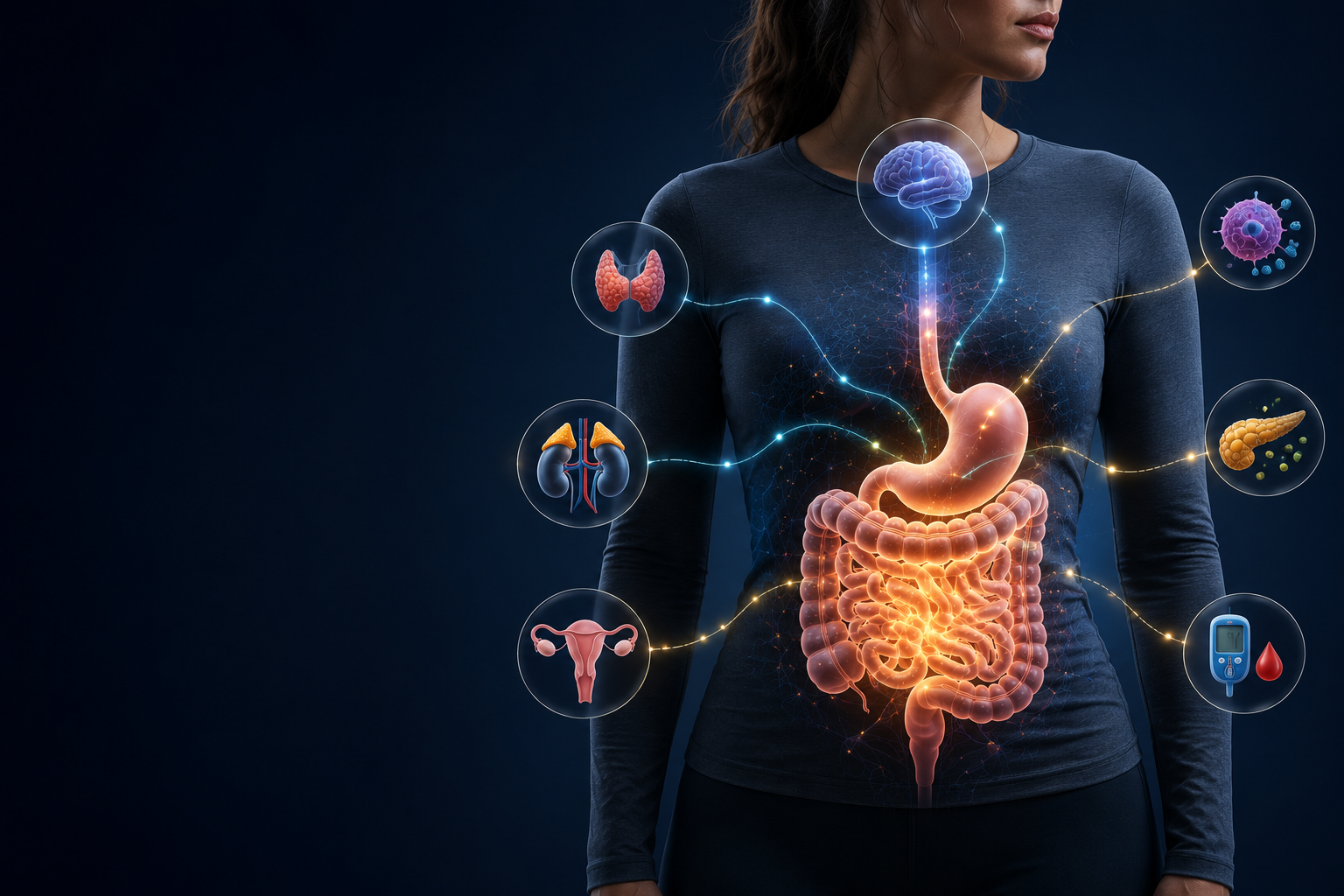
Your digestive tract produces hormones, communicates with your brain, interacts with your immune system, and helps process nutrients and compounds involved in hormone metabolism. At the same time, estrogen, progesterone, thyroid hormones, stress hormones, and metabolic hormones can affect digestion, appetite, bowel movements, and the gut microbiome.
That does not mean every case of fatigue, weight gain, bloating, anxiety, or irregular periods begins in the gut.
The most useful approach is to understand where the science is strong, where it is still developing, and when digestive symptoms and hormone symptoms need to be evaluated separately.
Key Takeaways
- The digestive tract is an endocrine organ that produces hormones involved in appetite, blood sugar regulation, digestion, and metabolism.
- Gut bacteria may influence estrogen metabolism through bacterial enzymes sometimes referred to collectively as the estrobolome.
- Hormonal changes can affect gut motility, bowel habits, bloating, and digestive comfort.
- Gut health may contribute to hormone-related symptoms, but it usually does not explain them by itself.
- A commercial microbiome test cannot reliably diagnose estrogen dominance, low testosterone, thyroid dysfunction, perimenopause, or another endocrine disorder.
- Probiotics and gut supplements are not universal hormone-balancing treatments.
- The best evaluation combines symptoms, medical history, appropriate blood work, and targeted digestive testing when indicated.
What Is the Gut-Hormone Connection?
The term “gut-hormone connection” describes several overlapping biological systems.
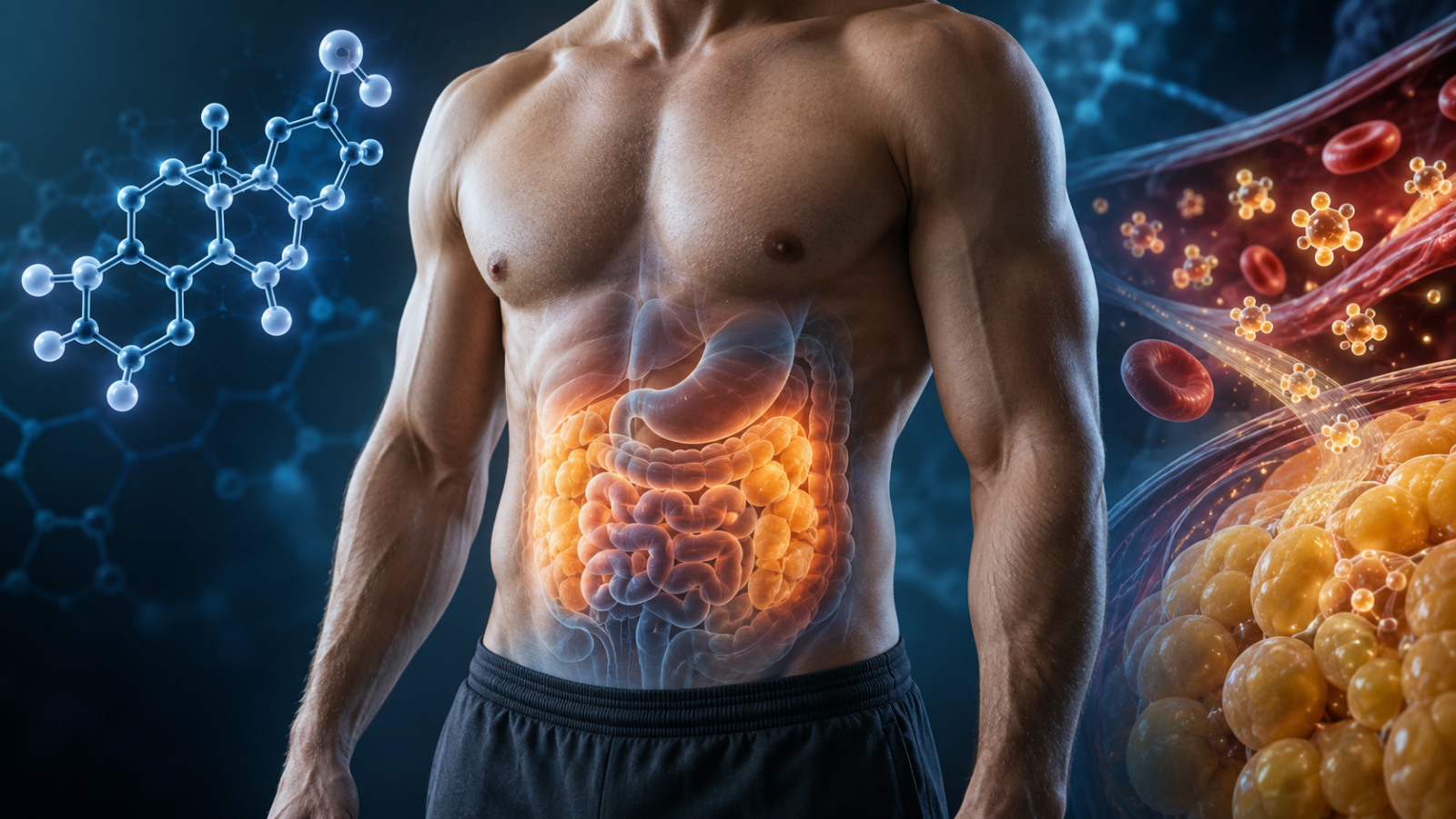
First, the digestive tract produces its own hormones. Specialized enteroendocrine cells in the intestinal lining release glucagon-like peptide-1, or GLP-1, peptide YY, cholecystokinin, gastric inhibitory polypeptide, and other signaling molecules.
These hormones help regulate:
- Hunger and fullness
- Insulin secretion
- Blood glucose
- Stomach emptying
- Intestinal movement
- Nutrient absorption
- Communication between the gut and brain
Gut bacteria and the compounds they produce may influence some of these signals. Short-chain fatty acids, bile acid metabolites, and compounds produced from amino acids can interact with receptors in the intestinal lining and affect gut hormone release.
Second, the gut participates in the processing and elimination of hormones and hormone metabolites.
Third, hormones produced elsewhere in the body affect the digestive system. Estrogen, progesterone, thyroid hormones, cortisol, insulin, and sex hormones can influence gut motility, inflammation, fluid balance, and appetite.
The relationship works in both directions. Unfortunately, “both directions” is less marketable than pretending one probiotic fixes everything.
How Gut Health May Influence Estrogen Metabolism
One of the most discussed parts of the gut-hormone connection is the estrobolome.
The estrobolome refers to the collection of gut microbial genes capable of metabolizing estrogens. Certain bacteria produce enzymes, including beta-glucuronidase, that can deconjugate estrogen metabolites after the liver has prepared them for elimination.
Once deconjugated, some estrogen may be reabsorbed through the intestines and returned to circulation.
This mechanism is biologically plausible and supported by laboratory, animal, and observational human research. It may help explain why the microbiome is being studied in relation to menopause, endometriosis, breast cancer risk, metabolic health, and other estrogen-related conditions.
However, several important limits remain.
Researchers have not established one universally healthy estrobolome. There is no validated commercial stool test that can calculate exactly how much estrogen a person is reabsorbing. We also cannot assume that high or low levels of a single bacterial species are causing a patient’s symptoms.
Estrogen production, metabolism, and clearance also depend on:
- Ovarian function
- Menstrual or menopausal status
- Liver function
- Body composition
- Medications
- Alcohol use
- Genetics
- Hormone therapy
- Bowel regularity
- Overall dietary pattern
The gut may participate in estrogen metabolism, but it is one part of a much larger system.
Can Constipation Affect Estrogen Clearance?
Estrogen metabolites are eliminated partly through bile and stool. In theory, slower intestinal transit may give deconjugated compounds more time to be reabsorbed.
That makes regular bowel movements a reasonable part of supporting overall digestive and metabolic health.
It does not mean constipation automatically causes “estrogen dominance.” That phrase is often used online without a consistent medical definition.
Constipation can result from many factors, including:
- Low fiber intake
- Inadequate hydration
- Reduced food intake
- Certain medications
- Iron supplements
- Pelvic floor dysfunction
- Irritable bowel syndrome
- Hypothyroidism
- Neurologic conditions
- Changes in routine or physical activity
A person with constipation, breast tenderness, weight changes, or irregular periods still needs an appropriate medical evaluation. Treating constipation may improve comfort and support normal elimination, but it does not replace hormone testing or a clinical assessment.
How Hormones Can Affect Digestion
The relationship does not simply run from the gut to the hormones. Hormonal changes can directly affect digestive function.
Estrogen and progesterone
Fluctuating estrogen and progesterone levels may alter intestinal movement, fluid retention, pain sensitivity, and bowel habits.
Some women notice changes in bloating, constipation, diarrhea, reflux, or abdominal discomfort during different phases of the menstrual cycle. Digestive symptoms may also become more noticeable during perimenopause and menopause.
Perimenopause and menopause are primarily driven by changes in ovarian function and reproductive hormones. Gut bacteria do not cause the normal menopausal transition.
The Endocrine Society identifies changing and declining estrogen levels as central drivers of hot flashes, irregular periods, vaginal changes, sleep disruption, and other common menopause symptoms.
Gut health may modify how someone feels during this transition, but improving the microbiome cannot restore normal ovarian hormone production after menopause.
Learn more in our Perimenopause Survival Guide.
Thyroid hormones
Thyroid dysfunction can affect intestinal motility.
Hypothyroidism may contribute to constipation and slowed digestion. Hyperthyroidism may contribute to frequent bowel movements or diarrhea.
Researchers have also identified differences in the gut microbiota of people with autoimmune and non-autoimmune thyroid disorders. Possible mechanisms include immune signaling, nutrient metabolism, intestinal barrier function, and the metabolism of thyroid-related compounds. However, much of the available research is observational. It does not prove that changing the microbiome will correct thyroid dysfunction.
A probiotic should not be used in place of thyroid-stimulating hormone, free thyroxine, thyroid antibody testing, or prescribed thyroid medication.
Cortisol and the stress response
Stress can change digestion even when no gastrointestinal disease is present.
The brain and digestive system communicate through nerves, immune signals, hormones, and microbial metabolites. Acute or chronic stress may alter appetite, intestinal movement, abdominal sensitivity, and symptom perception.
This can contribute to patterns such as:
- Stress-related diarrhea
- Constipation during busy periods
- Nausea before important events
- Loss of appetite
- Increased cravings
- Abdominal pain or urgency
- Worsening irritable bowel syndrome symptoms
These symptoms are real. They are not “all in your head.”
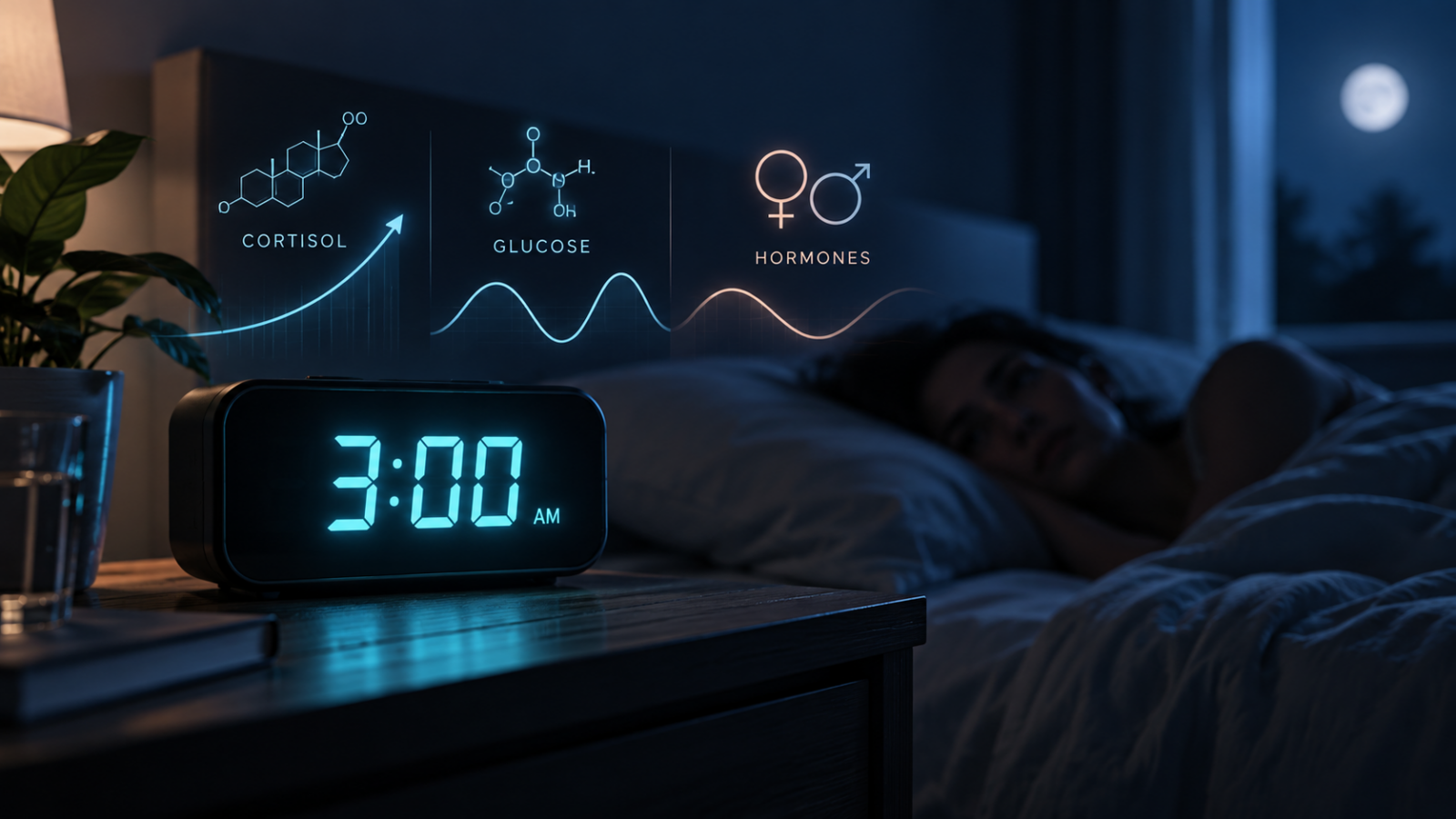
They also do not prove that cortisol is medically abnormal. Cortisol follows a daily rhythm and changes in response to sleep, illness, exercise, food intake, medications, and psychological stress. A symptom questionnaire or one isolated cortisol measurement cannot explain every case of fatigue, weight gain, or anxiety.
The Gut’s Role in Appetite and Blood Sugar Hormones
The gut has a clear role in appetite and glucose regulation.
When food enters the digestive tract, enteroendocrine cells release hormones that communicate with the pancreas, brain, stomach, liver, and other tissues.
GLP-1 can:
- Increase glucose-dependent insulin secretion
- Slow stomach emptying
- Reduce appetite
- Support post-meal blood sugar control
Peptide YY and cholecystokinin also contribute to fullness and meal termination. Ghrelin, produced mainly in the stomach, is involved in hunger signaling.
Gut microbes may affect these pathways by producing metabolites that interact with intestinal receptors. Most of the mechanistic evidence is stronger in laboratory and animal models than it is in routine human clinical care.
This means the microbiome may influence appetite and metabolism. It does not mean someone can identify the cause of weight gain by looking at a list of stool bacteria.
Body weight and metabolic health are also influenced by:
- Calorie intake
- Protein and fiber intake
- Muscle mass
- Physical activity
- Sleep
- Medications
- Insulin sensitivity
- Genetics
- Menopause
- Thyroid function
- Testosterone or estrogen status
- Psychological and environmental factors
The gut is involved. It is not acting alone.
Can Poor Gut Health Cause Hormone Imbalance?
Sometimes gut dysfunction can contribute to a broader health problem that includes hormone-related symptoms.
For example:
- Celiac disease may impair nutrient absorption and contribute to anemia, fatigue, or menstrual changes.
- Chronic diarrhea may reduce the absorption of nutrients needed for normal endocrine and metabolic function.
- Inflammatory bowel disease may affect nutrition, inflammation, energy, and reproductive health.
- Severe calorie restriction may disrupt reproductive hormones while also changing bowel habits and the microbiome.
- Certain digestive disorders may affect medication absorption.
In these situations, treating the digestive disorder can improve overall health and may indirectly improve endocrine function.
But “poor gut health” is not a specific diagnosis.
Bloating, gas, reflux, constipation, food reactions, and abdominal discomfort may have very different causes. Labeling all of them as dysbiosis can delay the diagnosis of celiac disease, inflammatory bowel disease, thyroid dysfunction, endometriosis, ovarian disorders, medication side effects, or other conditions.
What the Gut-Hormone Connection Cannot Explain
The gut-hormone connection should not be used as a universal answer for vague symptoms.
It cannot diagnose perimenopause or menopause
Perimenopause is caused by changing ovarian function. Menopause occurs after the ovaries stop releasing eggs and produce substantially less estrogen and progesterone.
Gut support may improve digestion, nutrition, sleep, or metabolic health during the transition. It does not stop or reverse reproductive aging.
It cannot confirm estrogen dominance
A stool microbiome profile does not show whether circulating estrogen is high, low, or fluctuating.
Hormone assessment may require a combination of medical history, cycle pattern, symptoms, medications, age, and appropriate blood or urine testing.
It cannot prove the cause of low testosterone
Low testosterone can relate to age, obesity, sleep apnea, medication use, pituitary disorders, testicular conditions, chronic illness, calorie restriction, and other factors.
Digestive health may affect nutrition and inflammation, but microbiome testing does not replace morning testosterone measurements or a clinical evaluation.
It cannot diagnose thyroid dysfunction
Constipation, fatigue, hair changes, brain fog, and weight gain may occur with hypothyroidism. They may also occur with iron deficiency, sleep deprivation, menopause, depression, medication side effects, inadequate calorie intake, and other conditions.
A thyroid diagnosis requires appropriate laboratory testing. A stool test cannot determine thyroid-stimulating hormone or free thyroxine levels.
It cannot explain every case of fatigue or brain fog
Fatigue is a symptom, not a diagnosis.
Potential contributors include:
- Iron deficiency
- Anemia
- Thyroid dysfunction
- Blood glucose problems
- Sleep apnea
- Medication effects
- Depression or anxiety
- Perimenopause
- Low testosterone
- Nutrient deficiencies
- Chronic infection
- Liver or kidney disease
- Excessive exercise
- Inadequate calorie or protein intake
Our Functional Medicine Fatigue Panel Guide explains how clinicians can evaluate these overlapping causes.
Can a Microbiome Test Measure Hormone Health?
Not reliably.
Microbiome sequencing can identify bacterial DNA in a stool sample. Some reports estimate bacterial abundance, diversity, or metabolic potential.
The test does not directly measure:
- Blood estrogen
- Progesterone
- Testosterone
- Thyroid hormones
- Insulin
- Cortisol production
- Ovarian reserve
- Menopausal status
An international expert consensus published in The Lancet Gastroenterology & Hepatology concluded that microbiome testing requires standardized methods, careful clinical interpretation, and clearer evidence regarding its routine diagnostic value. The field is advancing, but commercial availability has moved faster than validated clinical use.
Targeted stool testing can still be useful in selected situations. Clinicians may test for pathogens, inflammation, digestive markers, or other specific findings based on symptoms and medical history.
The mistake is treating every organism on a commercial report as a disease that needs to be eradicated.
Are Probiotics a Hormone-Balancing Treatment?
Probiotics may benefit certain people in specific clinical situations. Their effects depend on the strain, dose, condition, and individual.
One probiotic cannot be assumed to:
- Lower excess estrogen
- Increase testosterone
- correct hypothyroidism
- Treat menopause
- Normalize cortisol
- Cause sustained weight loss
- Fix every form of bloating
The American Gastroenterological Association’s probiotic guidelines emphasize that evidence is condition-specific. They do not support using any random probiotic for any random digestive complaint, despite what the label’s leafy green packaging may imply.
Some people feel better with a probiotic. Others develop more bloating, gas, constipation, or diarrhea.
A probiotic is a tool, not a complete diagnosis or treatment plan.
When Does Gut Testing Make Sense?
Gut-focused testing may be appropriate when someone has persistent digestive symptoms such as:
- Ongoing diarrhea or constipation
- Significant bloating or abdominal pain
- Blood or mucus in stool
- Unexplained nutrient deficiencies
- Unintentional weight loss
- Recurrent gastrointestinal infections
- Symptoms suggesting celiac disease
- Suspected inflammatory bowel disease
- Persistent symptoms after travel
- Possible small intestinal bacterial overgrowth
- A family history that changes clinical risk
Testing should match the clinical question.
Examples may include:
- Celiac antibody testing
- Complete blood count
- Iron, vitamin B12, or folate testing
- Comprehensive metabolic panel
- C-reactive protein
- Fecal calprotectin
- Targeted stool pathogen testing
- Pancreatic elastase
- Breath testing in selected cases
- Colonoscopy or imaging when indicated
The American College of Gastroenterology recommends that small intestinal bacterial overgrowth testing and treatment be based on symptoms, risk factors, and appropriate breath-testing methods rather than symptom guessing alone.
Advanced stool testing may provide additional context, but it should be interpreted alongside symptoms, medications, diet, blood work, and conventional diagnostic testing.
Learn more about stool testing in our GI-MAP and Gut Health Testing Guide.
A Smarter Way to Evaluate Gut and Hormone Symptoms
When digestive and hormone-related symptoms appear together, the answer is rarely to test only one system.
A more complete evaluation may include:
1. A detailed symptom timeline
When did symptoms begin?
Did they change after pregnancy, illness, antibiotics, medication use, dieting, menopause, hormone therapy, or a major period of stress?
Timing often provides more useful information than an isolated microbiome score.
2. Menstrual and reproductive history
For women, clinicians may review:
- Cycle length and regularity
- Bleeding patterns
- Hot flashes
- Night sweats
- Vaginal symptoms
- Pregnancy history
- Contraceptive use
- Hormone therapy
- Signs of androgen excess
3. Metabolic and hormone blood work
Testing should be individualized, but may include:
- Complete blood count
- Comprehensive metabolic panel
- Hemoglobin A1c
- Fasting glucose or insulin
- Lipid panel
- Thyroid-stimulating hormone
- Free thyroxine
- Thyroid antibodies when appropriate
- Ferritin and iron markers
- Vitamin B12 or folate
- Sex hormones based on age, sex, symptoms, and cycle timing
4. Digestive evaluation
The presence of bloating does not automatically justify every available stool test.
Clinicians should first determine whether the pattern suggests constipation, reflux, food intolerance, celiac disease, infection, inflammation, medication side effects, pelvic floor dysfunction, or another condition.
5. Lifestyle and nutrition review
Hormone and digestive symptoms may worsen when someone is:
- Eating too little
- Consuming very little fiber
- Under-eating protein
- Drinking excessive alcohol
- Sleeping poorly
- Training without adequate recovery
- Using multiple unnecessary supplements
- Taking medications that affect digestion
- Cycling through restrictive diets
Sometimes the “root cause protocol” is eating enough food and sleeping more than five hours. The body remains stubbornly unimpressed by branding.
How to Support Gut and Hormone Health
The most effective foundational strategies are not particularly glamorous, but they have broader evidence and lower risk than aggressive supplement protocols.
Eat a varied, nutrient-dense diet
Include a range of vegetables, fruits, legumes, whole grains, nuts, and seeds as tolerated.
These foods provide fiber and plant compounds that gut microbes can metabolize. Increase fiber gradually if you currently eat very little or have significant bloating.
Eat enough protein and total calories
Chronic under-eating can affect bowel regularity, thyroid signaling, reproductive hormones, recovery, and energy.
Protein also supports muscle, metabolic health, and satiety.
Address constipation directly
Helpful steps may include adequate fluid intake, gradual fiber increases, movement, consistent meal timing, and a medical review of medications or underlying conditions.
Use fermented foods based on tolerance
Yogurt, kefir, kimchi, sauerkraut, and other fermented foods may be useful additions for some people.
They are not mandatory, and they may worsen symptoms in people with certain food intolerances or digestive conditions.
Protect sleep and recovery
Poor sleep can influence appetite, glucose regulation, stress responses, food choices, and digestive symptoms.
No gut supplement compensates for consistently inadequate sleep.
Avoid unnecessary antibiotics and supplement overload
Antibiotics can be essential and sometimes lifesaving. They should be used when medically appropriate, not avoided when truly needed.
At the same time, unnecessary antibiotics and repeated antimicrobial supplement protocols may disrupt the microbiome and create additional side effects.
Treat diagnosed hormone disorders appropriately
Nutrition and gut support can complement treatment for menopause, thyroid disease, diabetes, polycystic ovary syndrome, or testosterone deficiency.
They should not replace evidence-based treatment when a medical condition is present.
When to Seek Medical Care
Contact a qualified healthcare professional if digestive or hormone symptoms are persistent, worsening, or affecting your quality of life.
Seek prompt evaluation for:
- Blood in the stool
- Black, tarry stool
- Persistent vomiting
- Severe abdominal pain
- Unexplained weight loss
- Fever with digestive symptoms
- Difficulty swallowing
- New symptoms after age 50
- Severe or prolonged menstrual bleeding
- Bleeding after menopause
- Symptoms of significant anemia
- A family history of colon, ovarian, uterine, or other relevant cancers
These symptoms deserve proper evaluation, not another powder labeled “detox.”
The Bottom Line
Gut health and hormones influence each other through digestion, microbial metabolism, immune signaling, appetite hormones, stress pathways, and hormone clearance.
That connection can help explain why digestive symptoms sometimes change with the menstrual cycle, perimenopause, menopause, thyroid dysfunction, metabolic changes, or chronic stress.
It cannot prove that gut dysbiosis caused a hormone imbalance. It cannot diagnose menopause, low testosterone, thyroid disease, insulin resistance, or estrogen excess. It also cannot justify treating every stool organism with supplements or antimicrobials.
The best approach is personalized and evidence-informed.
Start with the symptoms. Review the timeline. Test the systems that match the clinical question. Then build a plan that addresses nutrition, digestion, sleep, metabolic health, and hormones without forcing every problem into the same explanation.
At 1st Optimal, we combine advanced blood work, digestive testing, hormone evaluation, and individualized coaching to help adults understand how these systems may be interacting.
Frequently Asked Questions
Can poor gut health cause hormonal imbalance?
Gut dysfunction may contribute to inflammation, nutrient deficiencies, altered estrogen metabolism, and metabolic problems. However, it is rarely the sole cause of a diagnosed hormone disorder.
Does gut health affect estrogen?
Gut bacteria contain enzymes that may affect how estrogen metabolites are deconjugated and reabsorbed. Researchers call this collective microbial activity the estrobolome. Its exact clinical significance in an individual cannot currently be determined from a standard commercial stool test.
Can healing the gut improve menopause symptoms?
Improving digestive health, nutrition, sleep, and bowel regularity may reduce bloating, constipation, and other symptoms that occur alongside menopause. It cannot reverse the decline in ovarian estrogen production that defines menopause.
Can probiotics balance hormones?
There is no universal probiotic proven to balance estrogen, progesterone, testosterone, thyroid hormones, and cortisol. Probiotic benefits are strain-specific and condition-specific.
Can a stool test detect a hormone imbalance?
No. Stool testing may provide information about pathogens, digestive function, inflammation, or microbial DNA. Blood, urine, clinical history, and other validated tests are used to assess hormone function.
Can gut problems cause weight gain?
Digestive disorders and microbiome changes may influence appetite, inflammation, food tolerance, and metabolic signaling. Weight gain still requires a broader evaluation of food intake, activity, muscle mass, sleep, medications, insulin sensitivity, thyroid function, and sex hormones.
Should gut health or hormones be treated first?
The order depends on the person. Severe digestive disease, abnormal bleeding, thyroid dysfunction, diabetes, or another diagnosed condition should receive appropriate care. In many cases, clinicians can address gut, hormone, and metabolic factors together.
References
- Baker JM, Al-Nakkash L, Herbst-Kralovetz MM. Estrogen-gut microbiome axis: Physiological and clinical implications. Maturitas. 2017;103:45-53.
- Kwa M, Plottel CS, Blaser MJ, Adams S. The intestinal microbiome and estrogen receptor-positive female breast cancer. Journal of the National Cancer Institute. 2016;108(8).
- Martin AM, Sun EW, Rogers GB, Keating DJ. The influence of the gut microbiome on host metabolism through the regulation of gut hormone release. Frontiers in Physiology. 2019;10:428.
- Chimerel C, Emery E, Summers DK, Keyser U, Gribble FM, Reimann F. Bacterial metabolite indole modulates incretin secretion from intestinal enteroendocrine L cells. Cell Reports. 2014;9(4):1202-1208.
- Stramazzo I, Capriello S, Ausiello CM, et al. Microbiota and thyroid disease: An updated systematic review. Current Issues in Molecular Biology. 2023.
- Porcari S, Mullish BH, Asnicar F, et al. International consensus statement on microbiome testing in clinical practice. The Lancet Gastroenterology & Hepatology. 2025.
- Su GL, Ko CW, Bercik P, et al. AGA clinical practice guidelines on the role of probiotics in the management of gastrointestinal disorders. Gastroenterology. 2020;159(2):697-705.
- Pimentel M, Saad RJ, Long MD, Rao SSC. ACG clinical guideline: Small intestinal bacterial overgrowth. American Journal of Gastroenterology. 2020;115(2):165-178.
- Endocrine Society. Menopause: Symptoms, diagnosis, and endocrine changes. Updated January 24, 2022.