

Introduction
Protein plays a crucial role in maintaining a healthy metabolism, supporting muscle growth, and keeping hunger at bay. Whether you’re working toward weight loss, muscle gain, or just aiming to feel better in your body, incorporating high-quality protein into your meals is a game-changer.
But with busy schedules, many people struggle to find easy, protein-packed recipes that taste good and keep them full. Fortunately, we’ve got you covered. In this post, we’ll explore 6 delicious, high-protein meals that not only provide the nutrients your body needs but are also quick and simple to prepare.
Whether you’re a busy professional, a fitness enthusiast, or just someone trying to optimize your health, these meals are designed to fit into any lifestyle while supporting your nutritional goals. By focusing on protein, you’ll be fueling your metabolism, building muscle, and reducing cravings.
Why Protein is Your Best Friend
Protein isn’t just for bodybuilders, it’s essential for everyone. No matter your goals, protein is the key to feeling full, building muscle, and keeping your metabolism running strong.
Key Benefits of Protein:
- Boosts Metabolism: Protein is thermogenic, meaning it burns more calories during digestion than fats or carbs. This helps you maintain or even increase your metabolic rate. For example, studies have shown that a high-protein diet can increase calorie burn by as much as 30% .
- Supports Muscle Growth: For those working out or looking to maintain muscle, protein is your go-to nutrient. It aids in muscle repair and growth after workouts, making it essential for muscle building and recovery .
- Keeps You Full Longer: Protein helps regulate hunger hormones, making you feel full longer and reducing cravings. This can help you maintain a healthy weight, as studies have shown that higher protein intake reduces overall calorie consumption
6 High-Protein Meals to Try
Greek Yogurt Power Bowl
- Ingredients:
- 1 cup Greek yogurt
- 1 tbsp peanut butter
- ½ cup berries
- Sprinkle of chia seeds
- Macros: ~25g Protein
This simple, nutrient-packed meal is perfect for breakfast or as a snack. Greek yogurt provides a hefty dose of protein, while the peanut butter adds healthy fats for sustained energy. The berries and chia seeds bring antioxidants and fiber, supporting your digestive health.
Egg & Veggie Breakfast Wrap
- Ingredients:
- 2 eggs scrambled
- Spinach & mushrooms, sautéed
- Whole wheat tortilla
- Macros: ~22g Protein
Eggs are a complete protein source, meaning they contain all nine essential amino acids that the body cannot produce. The addition of spinach and mushrooms not only boosts the meal’s nutritional value with fiber and antioxidants but also gives it a savory, satisfying taste.
Tuna Avocado Salad
- Ingredients:
- 1 can tuna (in water)
- ½ avocado mashed
- Cherry tomatoes & cucumber
- Macros: ~28g Protein
This light, refreshing salad combines the lean protein from tuna with the healthy fats of avocado. The cherry tomatoes and cucumber add fiber and antioxidants, keeping the dish low-calorie but nutrient-dense. It’s a perfect lunch option for weight loss and muscle maintenance.
Chicken Quinoa Bowl
- Ingredients:
- 4 oz grilled chicken breast
- ½ cup quinoa
- Steamed broccoli
- Macros: ~30g Protein
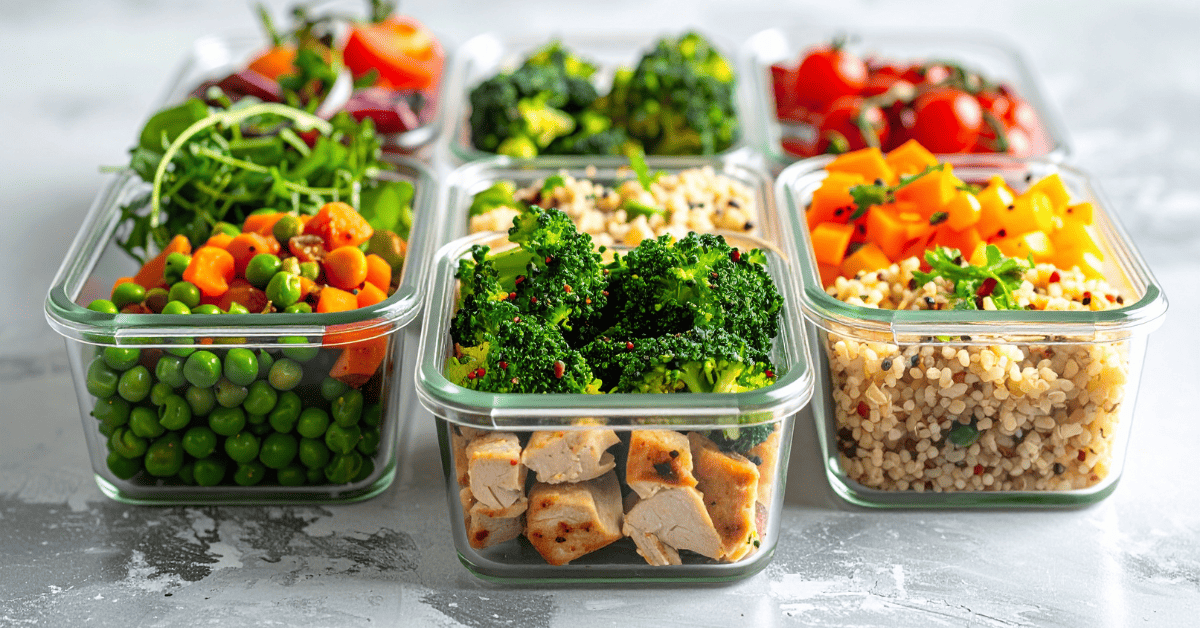
This bowl is a perfect balance of lean protein, complex carbs, and fiber. The chicken provides 30 grams of protein, while quinoa offers a plant-based source of complete protein and fiber. Pairing it with broccoli adds vitamins and minerals that are crucial for overall health.
Salmon & Veggie Plate
- Ingredients:
- 4 oz baked salmon
- Roasted asparagus & sweet potato
- Macros: ~32g Protein
Rich in omega-3 fatty acids, salmon not only supports muscle recovery but also aids in heart health. Asparagus and sweet potatoes complete this meal with fiber, antioxidants, and vitamins that boost overall wellness.
Lentil Veggie Stew
- Ingredients:
- 1 cup cooked lentils
- Carrots, celery, onion
- Low-sodium broth
- Macros: ~18g Protein
This hearty stew is an excellent plant-based protein option for vegetarians. Lentils are a great source of protein and fiber, and when combined with veggies, they make for a filling and nutrient-dense meal that supports your health goals.
The Benefits of a High-Protein Diet
High-protein diets offer a host of benefits beyond just building muscle. Here’s why adding more protein to your meals is a smart choice:
- Fat Loss: A high-protein diet can boost your metabolism and reduce your overall calorie intake, making it easier to lose fat. It helps maintain muscle mass while promoting fat burning .
- Improved Hormone Balance: Protein helps regulate hormones, particularly those involved in metabolism and hunger. By balancing these hormones, protein can help stabilize blood sugar and support weight management .
- Better Mood and Energy: Amino acids from protein are essential for neurotransmitter function. These neurotransmitters, such as serotonin, help regulate mood and energy levels, keeping you more energized throughout the day .
Frequently Asked Questions (FAQs):
1. How much protein should I eat per day?
Protein intake varies based on your goals. A general recommendation is 0.8-1.0 grams per kilogram of body weight for the average person, but athletes or those aiming for weight loss may need more, around 1.2-2.0 grams per kilogram .
2. Can I lose weight by eating more protein?
Yes! Protein promotes satiety, which reduces overall calorie intake, and it increases your calorie burn through thermogenesis. By incorporating high-protein meals into your diet, you’ll support your fat loss efforts .
3. What are the best protein sources for muscle gain?
Animal-based proteins like chicken, beef, and fish are complete sources of protein. For vegetarians, quinoa, lentils, tofu, and tempeh are excellent plant-based sources. Combining different protein sources ensures that you’re getting all the essential amino acids .
4. Can high-protein meals improve my metabolism?
Absolutely. Protein boosts your metabolic rate because it requires more energy to digest compared to fats and carbs. It’s also essential for maintaining muscle mass, which further supports metabolic activity .
5. How can I incorporate more protein into my diet?
Start by replacing low-protein snacks with protein-rich options like Greek yogurt or a protein shake. Aim to include protein in every meal, whether from animal or plant-based sources .
Conclusion: Take the First Step Towards Health Optimization
High-protein meals are more than just a trend, they’re a foundation for improved metabolism, muscle growth, and weight loss. By incorporating these meals into your daily routine, you’ll be fueling your body with the nutrients it needs to perform at its best. If you’re looking to optimize your health further, consider booking a consultation with 1st Optimal. We offer personalized health optimization plans, including lab tests and hormone therapy, to help you feel your best.
Call to Action:
Ready to optimize your health? Book a free consult with 1st Optimal today!
Book your free health consult here!
References:
- PubMed: “Effects of high-protein diets on weight loss, metabolism, and muscle mass.”
- NIH: “Protein and metabolism: The role of protein in energy balance.”
- JAMA: “Protein intake and long-term health outcomes.”
- National Institutes of Health, “The Role of Protein in Weight Loss.”
- Harvard Health Publishing, “How Protein Affects Muscle Mass and Metabolism.”