

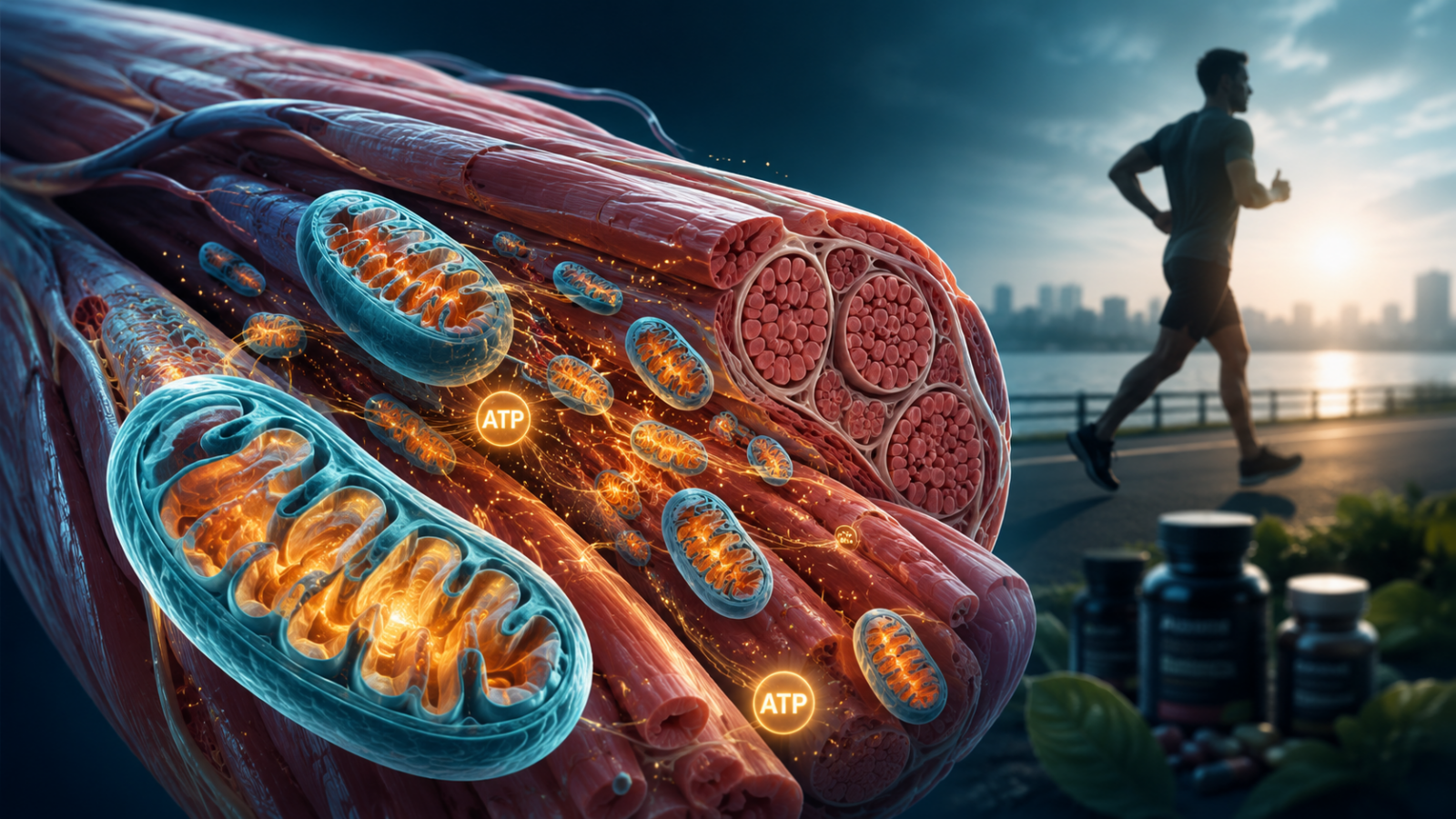
Mitochondrial health matters, but improving it usually does not require an expensive supplement stack.
The strongest human evidence supports regular exercise, adequate recovery, sufficient nutrition, good metabolic health, and identifying medical problems that interfere with energy production. Supplements may have targeted uses, but most have not been shown to transform energy, reverse aging, or “repair” mitochondria in otherwise healthy adults.
That answer is less exciting than a bottle promising cellular renewal. It is also considerably more honest.
What Are Mitochondria?
Mitochondria are structures inside most human cells. Their best-known role is converting energy from food into adenosine triphosphate, or ATP, which cells use to perform work.
That includes contracting muscles, transmitting nerve signals, maintaining body temperature, producing hormones, repairing tissue, and supporting immune activity.
Mitochondria do more than produce ATP. They also participate in:
- Calcium regulation
- Metabolic signaling
- Reactive oxygen species production
- Cellular stress responses
- Inflammation
- Programmed cell death
- Heat generation
- Fatty acid metabolism
Mitochondria are not tiny batteries that simply become “charged” or “drained.” They form dynamic networks that divide, fuse, adapt, and remove damaged components in response to nutrition, exercise, illness, aging, and environmental stress.
What Does “Mitochondrial Health” Actually Mean?
“Mitochondrial health” is a broad wellness term, not one specific clinical measurement.
Researchers may evaluate several different characteristics, including:
- How efficiently mitochondria produce ATP
- How well cells use oxygen
- The number and density of mitochondria within a tissue
- Mitochondrial biogenesis, or the creation of new mitochondria
- Mitophagy, the removal and recycling of damaged mitochondria
- Mitochondrial DNA stability
- Reactive oxygen species balance
- The ability to switch between carbohydrates and fats for fuel
A person can improve one of these characteristics without improving all of them. A supplement might change a laboratory biomarker without changing strength, fatigue, walking capacity, health span, or quality of life.
That distinction matters.
A biomarker moving in an interesting direction is not the same as a person feeling better or living longer. Supplement advertising tends to become strangely quiet around that part.
Mitochondrial Dysfunction Is Not One Diagnosis
Mitochondrial dysfunction can refer to very different situations.
Primary mitochondrial disease
Primary mitochondrial diseases are inherited disorders caused by pathogenic changes in mitochondrial DNA or nuclear DNA. They can affect the brain, muscles, heart, vision, hearing, liver, kidneys, and other systems.
These conditions require specialized medical evaluation. Diagnosis may involve genetic testing, metabolic testing, imaging, muscle studies, and assessment by clinicians experienced in mitochondrial medicine.
Secondary mitochondrial dysfunction
Mitochondrial changes also occur alongside more common conditions, including:
- Insulin resistance
- Cardiovascular disease
- Neurodegenerative disease
- Chronic inflammation
- Physical inactivity
- Aging
- Certain medication exposures
- Severe nutrient deficiencies
This does not necessarily mean mitochondrial dysfunction is the single root cause of the condition. Mitochondria may contribute to the disease, respond to it, or do both at the same time. Biology rarely gives us one villain wearing a name tag.
Fatigue Does Not Automatically Mean Your Mitochondria Are Failing
Fatigue, brain fog, poor exercise tolerance, muscle weakness, and slow recovery are sometimes marketed as symptoms of “damaged mitochondria.”
They can be associated with impaired energy metabolism, but they are not specific enough to diagnose a mitochondrial problem.
Persistent fatigue may also involve:
- Iron deficiency or anemia
- Thyroid dysfunction
- Poor sleep or sleep apnea
- Inadequate calorie intake
- Low protein intake
- Blood sugar problems
- Medication side effects
- Chronic infection
- Depression or anxiety
- Hormone changes
- Cardiovascular or pulmonary disease
- Overtraining
- Alcohol use
- Kidney or liver disease
This is why symptom-based supplement protocols can miss treatable problems. Someone with iron deficiency does not need a twelve-ingredient mitochondrial powder. They need the deficiency investigated and treated appropriately.
What the Science Supports for Mitochondrial Health
1. Exercise Has the Strongest Practical Evidence
Exercise is one of the most reliable ways to improve mitochondrial capacity in human skeletal muscle.
When muscles repeatedly need more energy, cells adapt. These adaptations may include:
- Producing more mitochondrial proteins
- Increasing mitochondrial content
- Improving oxygen use
- Increasing capillary density
- Improving fat oxidation
- Improving glucose control
- Strengthening antioxidant defense systems
- Increasing the removal of damaged mitochondrial components
A large 2024 analysis found that endurance training, high-intensity training, and sprint interval training can all improve mitochondrial content and cardiorespiratory fitness. People with lower baseline fitness often experience the largest percentage improvements.
You do not need to perform maximal intervals every day. In fact, repeatedly training harder than you can recover from is an excellent way to turn a health plan into another source of physiological stress.
A practical weekly target may include:
- 150 to 300 minutes of moderate aerobic activity, or 75 to 150 minutes of vigorous activity
- Strength training at least twice per week
- Regular walking and movement throughout the day
- Gradual progression based on fitness and recovery
These targets are consistent with World Health Organization physical activity recommendations for adults.
2. Both Aerobic and Resistance Training Matter
Aerobic exercise directly challenges the body’s oxygen-delivery and energy-production systems. Walking, cycling, swimming, rowing, jogging, and incline treadmill work can all contribute.
Resistance training supports mitochondrial health differently. It helps preserve or build skeletal muscle, improves glucose disposal, increases strength, and maintains the tissue where a large amount of metabolic activity takes place.
For adults over 35, the goal should not be choosing between cardio and lifting. A better plan uses both.
For example:
- Two or three full-body strength sessions per week
- Two or three moderate aerobic sessions per week
- One optional interval session when recovery is adequate
- Daily walking
People who are deconditioned can start with ten-minute walks and basic resistance exercises. Mitochondria respond to a repeated demand, not to whether the workout looks impressive on social media.
3. Sleep and Circadian Rhythm Support Metabolic Recovery
Adults generally need at least seven hours of sleep per night, although individual needs vary. Consistently inadequate sleep is associated with poorer glucose regulation, altered appetite, reduced recovery, and changes in metabolic signaling.
Mitochondrial activity also follows circadian patterns. Sleep, light exposure, eating patterns, movement, and hormone rhythms help regulate when tissues use and store energy.
A 2026 randomized crossover study in postmenopausal women found that four nights of sleep restriction changed gene-expression networks in skeletal muscle, including pathways related to oxidative phosphorylation, muscle regulation, and immune signaling. The results showed a complex stress response rather than a simple “mitochondria shut down” narrative.
Useful sleep foundations include:
- Keeping a consistent wake time
- Getting outdoor light early in the day
- Reducing bright light late at night
- Limiting alcohol near bedtime
- Evaluating persistent snoring or daytime sleepiness
- Adjusting training intensity when sleep is poor
4. Adequate Nutrition Beats a “Mitochondrial Diet”
There is no single diet proven to optimize mitochondria for everyone.
Mitochondria use nutrients from carbohydrates, fats, and proteins. They also rely on vitamins, minerals, amino acids, and enzyme cofactors. But needing a nutrient does not mean taking five times the required amount improves mitochondrial performance.
A strong nutritional foundation includes:
- Adequate total calories
- Sufficient protein
- Fruits and vegetables
- Fiber-rich carbohydrates
- Minimally processed fats
- Fish, poultry, eggs, dairy, legumes, or other nutrient-dense protein sources
- Appropriate hydration and electrolytes
Long-term under-eating can reduce training quality, thyroid signaling, reproductive hormone function, recovery, and lean mass. This is particularly relevant for active adults trying to lose weight while combining intense exercise with aggressive calorie restriction.
A balanced calorie deficit may help someone with excess body fat improve metabolic health. A severe deficit that causes muscle loss, sleep disruption, and declining performance is not mitochondrial optimization. It is under-recovery wearing a wellness badge.
5. Improving Metabolic Health Supports Mitochondrial Function
Mitochondria respond to the metabolic environment around them.
Chronically elevated blood glucose, insulin resistance, excess visceral fat, inactivity, and inflammation can affect how cells process fuel. Meanwhile, exercise, fat loss when appropriate, muscle development, and improved glucose regulation can support metabolic flexibility.
Metabolic flexibility describes the ability to shift between carbohydrates and fats depending on activity, food intake, and energy demands.
You do not need to eliminate carbohydrates to become metabolically flexible. Active muscle uses carbohydrates effectively, particularly during higher-intensity exercise. The goal is not forcing the body to burn one fuel forever. The goal is maintaining the ability to use the right fuel at the right time.
6. Correcting Deficiencies May Help More Than Adding Exotic Compounds
Several nutrients participate in mitochondrial energy pathways, including:
- Iron
- Riboflavin
- Thiamine
- Vitamin B12
- Folate
- Magnesium
- Copper
- Carnitine
- Coenzyme Q10
A clinically meaningful deficiency can impair energy production, oxygen transport, nervous system function, or exercise capacity.
However, supplementation is most defensible when there is a documented deficiency, elevated risk, medication-related depletion, dietary limitation, or specific medical indication. Supplementing adequate levels into extremely adequate levels does not guarantee more ATP.
Before building a mitochondrial supplement stack, consider assessing:
- Complete blood count
- Ferritin and iron studies
- Comprehensive metabolic panel
- Thyroid-stimulating hormone and free thyroxine
- Vitamin B12 and folate when indicated
- Hemoglobin A1c or fasting glucose
- Vitamin D when clinically relevant
- Creatine kinase when muscle disease is suspected
Testing should answer a clinical question. Collecting every available biomarker often creates expensive confusion rather than useful clarity.
What About Mitochondrial Supplements?
Some compounds have plausible biological mechanisms. Far fewer have demonstrated consistent, meaningful benefits in human clinical trials.
NAD, NR and NMN
Nicotinamide adenine dinucleotide, or NAD+, is essential for cellular energy metabolism and signaling.
Nicotinamide riboside, or NR, and nicotinamide mononucleotide, or NMN, are marketed as NAD+ precursors. Human studies show that these compounds can increase NAD-related metabolites in blood and tissues.
The unresolved question is whether raising NAD+ reliably improves outcomes people care about, such as energy, strength, glucose control, cognition, physical function, or longevity.
A major 2024 review concluded that several questions remain unresolved, including differences between cellular NAD+ pools, microbiome effects, dosing, long-term safety, and which populations are most likely to benefit. Human trials have produced inconsistent functional and metabolic results.
Bottom line: NR and NMN are scientifically interesting. They are not established anti-aging treatments.
Coenzyme Q10
Coenzyme Q10, or CoQ10, participates in the mitochondrial electron transport chain. It also has antioxidant properties.
CoQ10 may be useful in specific medical situations, including some cases involving heart failure, certain mitochondrial disorders, or medication-associated symptoms. Evidence for generalized fatigue in otherwise healthy adults is less consistent.
A 2026 meta-analysis found no significant overall improvement in fatigue in the included depression-related trials, although the number of fatigue studies was small and results varied considerably.
Bottom line: CoQ10 has legitimate biology and potential targeted uses, but it is not a universal energy supplement.
Creatine
Creatine helps regenerate ATP through the phosphocreatine system, especially during short, intense efforts.
Its best-supported uses involve:
- Strength
- Power
- Training performance
- Lean mass support
- Muscle preservation in some populations
Creatine may also support cellular bioenergetics in certain clinical settings. However, it should not be described as directly repairing mitochondrial damage. Its strongest practical value is helping people train harder, preserve muscle, and recover between high-energy efforts.
Bottom line: Creatine is one of the more useful performance supplements, but its benefits do not require exaggerated mitochondrial claims.
Urolithin A
Urolithin A is produced when certain gut bacteria metabolize compounds found in foods such as pomegranates, berries, and walnuts. It is being studied for its potential effects on mitophagy.
Randomized trials in middle-aged and older adults have reported improvements in certain muscle-endurance measures and mitochondrial biomarkers. However, some primary outcomes, including maximal ATP production and walking-distance comparisons, did not improve significantly versus placebo in one major trial. Several studies have also involved manufacturers of commercial urolithin A products.
Bottom line: Urolithin A is promising, but the evidence is early and does not replace exercise.
PQQ
Pyrroloquinoline quinone, or PQQ, is marketed for mitochondrial biogenesis and energy.
Human research remains limited. In one small training study, PQQ increased a molecular marker associated with mitochondrial biogenesis but did not improve aerobic performance or body composition compared with placebo.
Bottom line: A change in a molecular marker is not proof of better energy, endurance, or health.
High-Dose Antioxidants
Reactive oxygen species are often described as harmful waste products. At high levels, they can contribute to cellular damage. At controlled levels, however, they also act as signals that help the body adapt to exercise.
This creates a problem with indiscriminate antioxidant megadosing.
A randomized trial found that daily high-dose vitamins C and E reduced increases in certain markers of mitochondrial biogenesis after endurance training, even though performance improvements were similar between groups. Other resistance-training research suggests high-dose antioxidant vitamins may blunt some muscular adaptations.
Bottom line: More antioxidant activity is not automatically better. Food-based antioxidants and correction of deficiencies are different from chronic megadosing.
Can You Test Mitochondrial Health?
There is no single routine blood test that provides a complete mitochondrial health score.
Researchers may use:
- Muscle biopsies
- Magnetic resonance spectroscopy
- Respirometry
- Genetic testing
- Metabolomics
- Lactate and pyruvate testing
- Exercise testing
- Tissue-specific imaging
- Mitochondrial enzyme analysis
These tools are used selectively and often require specialized interpretation.
When primary mitochondrial disease is suspected, expert recommendations support a structured evaluation that may include genetic testing, blood and urine metabolic studies, imaging, and tissue analysis when needed. Normal lactate does not completely rule out mitochondrial disease, and an isolated abnormal value does not confirm it.
Consumer tests claiming to measure a universal “mitochondrial age” or “cellular energy score” should be interpreted cautiously unless they have demonstrated analytical validity and a clear connection to clinical outcomes.
A Practical 12-Week Mitochondrial Health Plan
You do not need to micromanage your organelles. Build conditions that allow the entire body to adapt.
Weeks 1 Through 4: Build the Foundation
- Walk for 20 to 30 minutes on most days.
- Complete two full-body strength sessions weekly.
- Maintain a consistent sleep and wake schedule.
- Aim for at least seven hours of sleep.
- Eat protein at each main meal.
- Include fruits, vegetables, and minimally processed carbohydrates.
- Reduce alcohol if it disrupts sleep or recovery.
- Track energy, sleep, strength, and exercise tolerance.
Weeks 5 Through 8: Increase the Signal
- Progress toward 150 minutes of weekly aerobic activity.
- Increase resistance gradually when technique remains solid.
- Add one short interval session if recovery is good.
- Break up prolonged sitting with walking or movement.
- Review calorie and protein intake if recovery is declining.
- Investigate persistent fatigue rather than assuming you need more supplements.
Weeks 9 Through 12: Measure Meaningful Outcomes
Assess changes in:
- Walking pace
- Resting heart rate
- Strength
- Training volume
- Recovery
- Sleep quality
- Waist circumference
- Blood pressure
- Glucose markers when relevant
- Daily energy and concentration
These outcomes tell you more than whether a supplement temporarily increased one blood metabolite.
When to Seek Medical Evaluation
Talk with a qualified healthcare provider when fatigue, weakness, or exercise intolerance is persistent, progressive, or affecting daily function.
More urgent evaluation may be appropriate when symptoms include:
- Progressive muscle weakness
- Unexplained loss of coordination
- Seizures
- New hearing or vision changes
- Fainting
- Chest pain
- Shortness of breath
- Significant neurological symptoms
- Symptoms affecting several organ systems
- A family history of confirmed mitochondrial disease
Most adults with low energy do not have a primary mitochondrial disorder. But they may have a treatable sleep, metabolic, nutritional, thyroid, cardiovascular, medication-related, or hormone-related problem.
Frequently Asked Questions
What is the best exercise for mitochondrial health?
Aerobic exercise has the most direct evidence for increasing mitochondrial content and oxidative capacity. Resistance training supports muscle, glucose regulation, and long-term metabolic function. A combination of both is usually more useful than relying on one training style.
What is the best mitochondrial supplement?
There is no single best supplement for everyone. Creatine has strong evidence for strength and performance. CoQ10 may help in selected medical situations. NR, NMN, urolithin A, and PQQ remain areas of active research, but their marketing frequently exceeds the clinical evidence.
Does fasting improve mitochondrial function?
Fasting and calorie restriction influence cellular stress and fuel-sensing pathways, particularly in laboratory and animal studies. Human benefits depend on the person, duration, total nutrition, and health context.
Fasting is not required for mitochondrial health. Aggressive fasting may be counterproductive for people who are under-fueled, losing muscle, sleeping poorly, training intensely, pregnant, managing an eating disorder, or taking glucose-lowering medication.
Can mitochondrial dysfunction cause weight gain?
Mitochondrial changes can occur with insulin resistance, inactivity, aging, and excess body fat. However, weight gain should not automatically be blamed on mitochondrial dysfunction.
Energy intake, activity, sleep, medications, hormones, muscle mass, stress, appetite regulation, and metabolic disease may all contribute.
Can you feel when your mitochondria are unhealthy?
Not specifically. Fatigue, brain fog, weakness, and poor recovery can occur for many reasons. Symptoms should guide a thoughtful evaluation, not a self-diagnosis based on supplement marketing.
The Bottom Line
Mitochondria are central to energy production, metabolism, cellular signaling, and adaptation. Supporting them matters.
But the strongest strategies are familiar:
- Exercise consistently
- Build and preserve muscle
- Sleep enough
- Eat sufficient nutrient-dense food
- Improve blood sugar and cardiovascular health
- Correct genuine deficiencies
- Identify medical causes of persistent fatigue
- Use supplements for a clear reason
A supplement may support part of the process. It cannot replace the biological signals created by movement, recovery, nutrition, and appropriate medical care.
At 1st Optimal, we use symptoms, health history, advanced blood work, lifestyle patterns, and performance goals to build personalized plans for energy, metabolism, hormones, and long-term health.
Learn how the 1st Optimal approach works and take a more evidence-based look at what may be affecting your energy and performance.
Educational only, not medical advice.