
Introduction
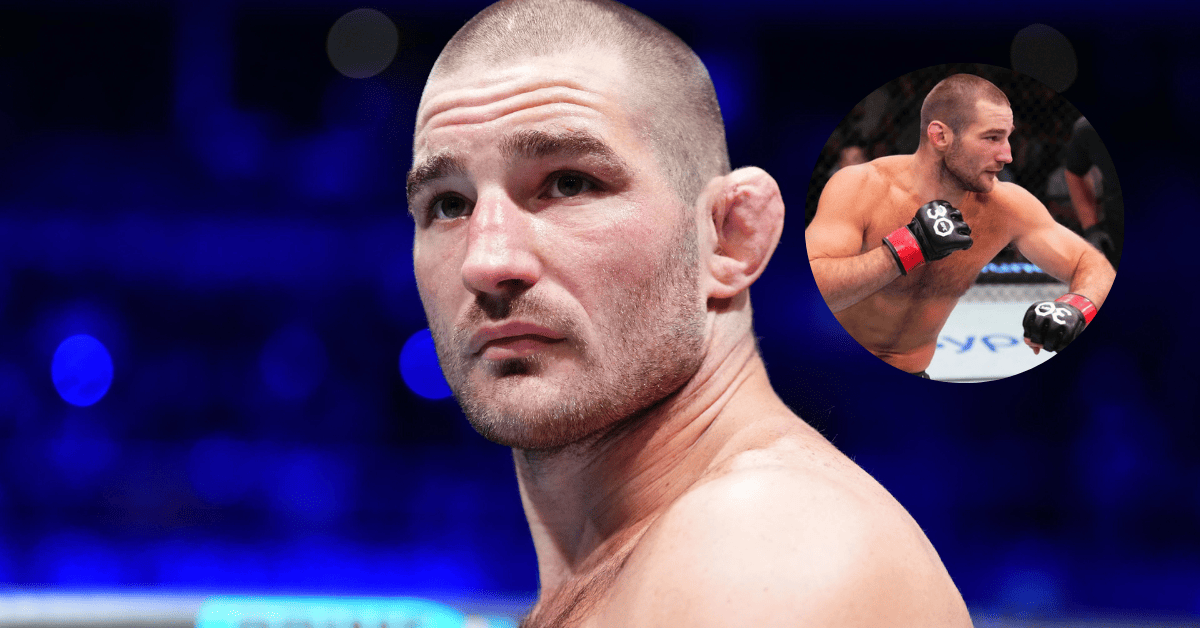
In 2025, becoming a champion in the UFC is no longer just about raw grit and strength. Today’s fighters blend cutting-edge science with old-school methods to stay at the top. Fighters like Sean Strickland still walk 15 miles a day and spar relentlessly, but they are also incorporating sophisticated technology, personalized nutrition strategies, and smart recovery techniques into their training regimens. This dynamic fusion of traditional and modern approaches is revolutionizing the way fighters prepare for competition. In this article, we will explore the top methods and innovations that are shaping UFC training and how you can incorporate these techniques into your performance goals.
Complex Training: Boosting Explosive Power
What is Complex Training?
Complex training is a method designed to maximize explosive power by combining heavy lifts with explosive movements, stimulating both strength and speed simultaneously. This method increases central nervous system (CNS) activation, which directly enhances the body’s ability to produce force quickly, crucial for both striking and grappling in combat sports.
- Example: A typical complex training session might include a trap bar deadlift followed by a med ball slam, both performed in rapid succession. This combination helps to activate the fast-twitch muscle fibers necessary for explosive actions during a fight.
- Why It Works:
Complex training triggers muscle recruitment and CNS activation in a way that builds strength while simultaneously developing the explosiveness needed for high-impact moves like knockout punches or fast takedowns. - Used by:
- Alex Pereira
- Islam Makhachev
- Ilia Topuria
Incorporating Complex Training into Your Routine
If you’re looking to improve your explosiveness and overall athletic performance, try incorporating complex training into your fitness plan. Start by selecting a heavy lift (e.g., squat, deadlift) and pair it with an explosive movement like a jump or medicine ball throw. Perform 3-4 sets of each combination for 6-8 reps.
The Role of Zone 2 Cardio for Fighters
Why Zone 2 Cardio Is Replacing HIIT
While High-Intensity Interval Training (HIIT) has been a staple of endurance training for years, Zone 2 cardio is emerging as the new go-to for athletes, including UFC fighters, seeking to improve stamina without sacrificing recovery.
- What is Zone 2 Cardio?
Zone 2 cardio involves training at a moderate intensity (maintaining heart rates around 120-130 bpm) to enhance fat metabolism while improving cardiovascular endurance. It is often referred to as the “fat-burning zone,” as it primarily utilizes fat as fuel, preserving glycogen stores for more intense bursts of activity. - Why Fighters Choose Zone 2
Zone 2 cardio helps athletes maintain endurance during long fights, recover quickly between rounds, and increase overall performance without exhausting the body.- Benefits for Fighters:
- Increases cardiovascular efficiency
- Enhances mental focus during high-pressure moments
- Allows for extended training periods without overtraining
- Benefits for Fighters:
Real-World Example:
- Alexander Volkanovski uses Zone 2 cardio between camps to maintain fat metabolism and mental sharpness. By incorporating Zone 2 sessions into his routine, he ensures that his stamina is optimized without sacrificing his recovery.
How to Implement Zone 2 Cardio in Your Routine:
To integrate Zone 2 into your training, aim for 30-60 minutes of moderate-intensity cardio 3-4 times per week. This can include cycling, jogging, swimming, or brisk walking.
Advanced Wearables and Tech Integration
The Future of Training: Wearables and AI
In 2025, fighters are not just relying on their physical abilities; they are using advanced wearables and AI technology to monitor and improve their performance. This technology helps them track everything from recovery rates to muscle engagement, ensuring that every aspect of their training is optimized.
- Whoop and Oura: These wearables track sleep patterns, recovery, and overall health metrics, allowing athletes to adjust their training load based on real-time data.
- Bar-speed Sensors: Measure how fast an athlete lifts weight to ensure they are performing at optimal velocity, especially for strength training.
- AI Video Analysis: This technology analyzes sparring footage to assess fighting techniques and provide insights into areas for improvement.
How Wearables Improve Performance:
Wearables like the Whoop strap and Oura ring give fighters insights into their sleep quality, recovery status, and readiness for intense training sessions. By leveraging these tools, athletes can adjust their training schedules to avoid burnout and maintain peak performance.
Example:
- Top UFC fighters like Khabib Nurmagomedov and Conor McGregor have utilized wearables to track their sleep and recovery patterns, giving them a strategic advantage during training camps.
Smarter Weight Cuts: The New Era of Fight Prep
No More 24-Hour Saunas
Gone are the days of extreme weight cuts involving 24-hour sauna sessions. Today’s UFC fighters employ smarter weight-cutting techniques that prioritize health, strength, and endurance during the fight.
- Heat Acclimation: Fighters now use heat exposure techniques weeks before the fight to allow their bodies to adjust gradually, preventing the drastic dehydration of the past.
- Carb/Sodium Periodization: This strategy involves cycling carb intake and sodium levels leading up to the weigh-in to optimize hydration and strength while minimizing fatigue.
How Modern Weight-Cutting Works:
Instead of extreme dehydration methods, fighters use heat acclimation to simulate fight conditions and improve sweat efficiency. Additionally, sodium and carbohydrate manipulation ensures fighters maintain energy levels while cutting down excess weight safely.
Key Takeaways:
- Smarter weight cuts use gradual methods to ensure strength and endurance aren’t compromised.
- Heat acclimation and carb/sodium periodization are the future of weight management for fighters.
Key Takeaways and How You Can Train Like a Champ
By incorporating the strategies used by top UFC athletes, you can optimize your training, recovery, and overall performance. Here are some key takeaways:
- Incorporate Complex Training into your routine for increased explosive power and strength.
- Focus on Zone 2 Cardio for endurance without sacrificing recovery.
- Use Advanced Wearables to track your sleep, recovery, and overall performance metrics.
- Adopt Smarter Weight-Cutting Techniques that prioritize health and strength over extreme dehydration.
At 1st Optimal, we offer personalized coaching and advanced lab testing that can help you optimize your health and performance. Whether you’re an athlete or simply someone looking to improve your fitness, we have the expertise and tools to guide you to your goals.
FAQs
- What is the difference between Zone 2 cardio and HIIT for fighters?
Zone 2 cardio is moderate-intensity, fat-burning cardio that improves cardiovascular endurance, while HIIT is more intense and improves anaerobic capacity but can be harder on recovery. - How can wearables improve UFC fighters’ performance?
Wearables like Whoop and Oura help track sleep, recovery, and overall health metrics, allowing fighters to adjust their training to avoid overtraining and optimize recovery. - What are the best recovery strategies for UFC fighters during fight camps?
Smart recovery strategies include using wearables to track recovery, implementing active rest days, and ensuring proper hydration, sleep, and nutrition. - What’s the science behind explosive power training?
Explosive power training enhances CNS activation by combining heavy lifts with fast, explosive movements, increasing power output and muscle recruitment. - How do UFC fighters use carb cycling for optimal performance?
Fighters use carb cycling to manage energy levels during fight camps by alternating between high-carb and low-carb days to optimize glycogen storage and fat burning.
UFC training has evolved, blending old-school grit with the latest in sports science, recovery technology, and smart nutrition strategies. By implementing complex training, Zone 2 cardio, and smarter recovery methods, fighters can stay at the top of their game, both in the gym and in the octagon.
At 1st Optimal, we specialize in helping individuals optimize their health and performance through personalized coaching, advanced testing, and science-backed recovery techniques. Whether you’re an elite athlete or looking to improve your personal health, we have the tools to help you succeed.
Schedule you free health consultation now!
