

Ever had a “gut feeling”?
Felt butterflies before a big presentation?
Lost your appetite when stress hit hard?
That is not just a cute phrase people use when they want to sound intuitive. Your gut and brain are in constant communication. They send signals back and forth through nerves, hormones, immune pathways, inflammatory messengers, and compounds made by the bacteria living inside your digestive tract.
This connection is called the gut-brain axis.
And it may be one of the most overlooked reasons people struggle with brain fog, mood changes, low energy, cravings, poor sleep, and digestive symptoms that seem unrelated at first.
At 1st Optimal, we see this pattern often. Someone comes in frustrated because they are tired, foggy, bloated, anxious, inflamed, or not recovering well. They may have already tried eating cleaner, taking random supplements, cutting calories, or drinking more coffee. Sometimes those things help for a few days. Then the same symptoms return.
The missing piece is often deeper than willpower.
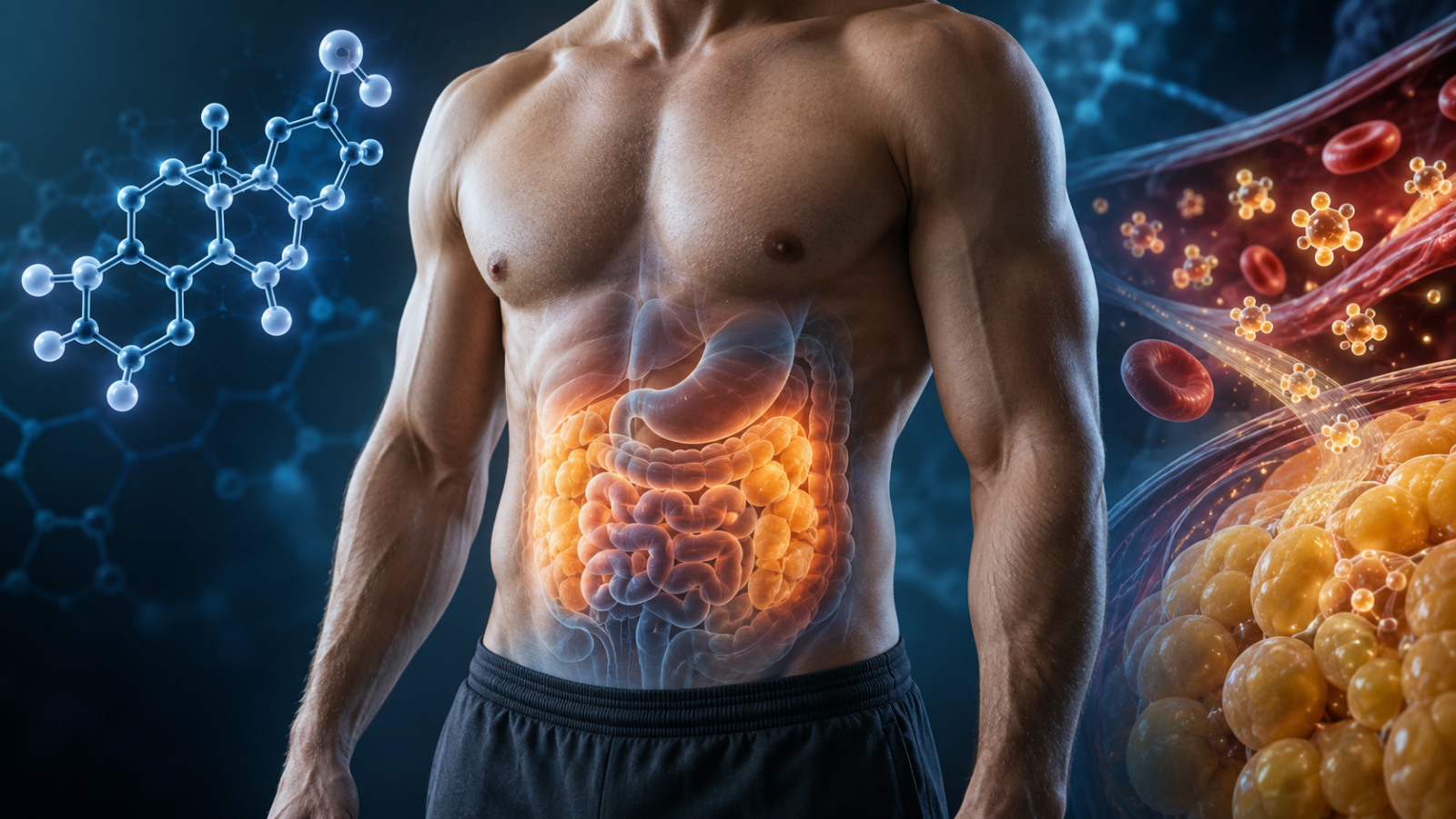
Your gut is not just a digestion tube. It is an immune organ, a metabolic organ, a hormone-signaling hub, and a major communication center for the brain. When the gut is healthy, diverse, and resilient, it tends to send calmer, clearer signals. When the gut is inflamed, imbalanced, irritated, or underfed, those signals can become noisy.
That noise can show up in your head.
It can feel like mental fatigue, poor focus, mood swings, anxiety, low motivation, sleep disruption, or energy crashes after meals.
This article breaks down how the gut-brain axis works, why your microbiome matters, signs your gut may be affecting your mind, and what you can do to support better mood, focus, and energy from the inside out.
What Is the Gut-Brain Axis?
The gut-brain axis is the two-way communication system between your digestive system and your central nervous system.
Your central nervous system includes your brain and spinal cord. Your digestive system includes the stomach, small intestine, large intestine, gut lining, enteric nervous system, immune cells, and the trillions of microbes living in your gut.
These systems communicate through several major pathways:
- The vagus nerve
- The enteric nervous system
- The immune system
- The hypothalamic-pituitary-adrenal axis, often called the HPA axis
- Hormones and neurotransmitters
- Microbial metabolites, including short-chain fatty acids
- Inflammatory cytokines
- Gut barrier signaling
That sounds complex because it is. The body apparently decided one messaging app was not enough and built a full biological group chat.
The important point is this: your brain can affect your gut, and your gut can affect your brain.
You have probably felt the brain-to-gut side of this already. Stress can cause nausea, diarrhea, constipation, reflux, appetite changes, or stomach tightness. Anxiety can create butterflies. A stressful life season can flare digestive symptoms.
The gut-to-brain side is just as important.
When your gut is inflamed, your microbiome is imbalanced, or your gut barrier is irritated, signals from the digestive tract can influence how the brain regulates mood, attention, motivation, stress tolerance, and energy.
This does not mean every mood issue starts in the gut. Mental health is complex. Sleep, trauma, hormones, genetics, relationships, medications, nutrient status, thyroid function, blood sugar, and life stress all matter.
But it does mean your gut deserves a seat at the table.
Meet Your Microbiome
Your microbiome is the community of bacteria, fungi, viruses, and other microorganisms that live in and on your body. The gut microbiome is the largest and most studied part of that ecosystem.
A healthy microbiome does far more than help digestion.
Your gut microbes help:
- Break down certain fibers and plant compounds
- Produce short-chain fatty acids
- Support gut barrier integrity
- Train and regulate the immune system
- Influence inflammation
- Interact with bile acids
- Support nutrient metabolism
- Communicate with the nervous system
- Influence neurotransmitter pathways
The goal is not to have one “perfect” microbiome. There is no universal perfect gut profile, despite what supplement labels and wellness influencers may imply while holding a green juice like it pays rent.
A healthy microbiome is generally diverse, resilient, and well-fed.
Diversity means your gut contains a broad range of beneficial microbes. Resilience means your gut can handle stress, travel, illness, dietary shifts, or medication exposure without falling apart. Well-fed means your microbes regularly receive the nutrients they need, especially fiber and polyphenols from plant foods.
When the microbiome becomes imbalanced, the term often used is dysbiosis.
Dysbiosis can involve:
- Lower microbial diversity
- Overgrowth of less helpful organisms
- Reduced beneficial bacteria
- Lower short-chain fatty acid production
- Increased gut irritation
- Increased inflammatory signaling
- Changes in motility, bloating, or stool patterns
Dysbiosis is not a diagnosis by itself. It is a pattern. The next step is to ask why it is happening.
Possible drivers include poor diet quality, low fiber intake, chronic stress, poor sleep, frequent alcohol intake, infections, food sensitivities, antibiotics, certain medications, blood sugar issues, hormone changes, and underlying gut conditions.
How the Gut Communicates With the Brain
The gut-brain axis works through several overlapping systems. Understanding them helps explain why gut symptoms and brain symptoms often travel together.
1. The Vagus Nerve
The vagus nerve is one of the main communication lines between the gut and brain.
It runs from the brainstem through the neck and chest into the abdomen. It helps regulate heart rate, breathing, digestion, inflammation, and parasympathetic nervous system activity. The parasympathetic nervous system is often called the “rest and digest” system.
A healthy vagal tone is linked with better stress regulation, digestion, heart rate variability, and recovery.
When the gut senses inflammation, irritation, stretching, microbial metabolites, or changes in nutrients, it can send signals through vagal pathways. The brain then responds by adjusting digestion, appetite, stress hormones, immune tone, and mood-related pathways.
This is one reason stress management is not “soft.” It is biology.
If someone is constantly in fight-or-flight mode, digestion often suffers. Stomach acid, enzyme output, motility, and gut barrier function can all be affected. Over time, that can worsen the same gut signals that keep the nervous system feeling activated.
It becomes a loop.
Stress affects the gut. The gut sends stress signals back. The brain stays on alert. The person feels wired, tired, bloated, foggy, or emotionally reactive.
2. The Immune System
A large portion of the immune system is located around the gut.
That makes sense. The gut is where the outside world meets the inside world. Food, microbes, toxins, alcohol, medications, and environmental exposures all pass through this system.
The gut lining has to do two things at once:
- Absorb nutrients
- Keep harmful substances out of the bloodstream
When the gut barrier is working well, it acts like a smart filter. When it becomes irritated or more permeable, immune cells may respond more aggressively.
This can increase inflammatory signaling.
Inflammation is one of the major bridges between gut health and brain health. Low-grade inflammation can influence neurotransmitter function, mitochondrial energy production, stress response, and brain signaling. That can show up as low mood, poor focus, fatigue, or that heavy “my brain is moving through wet cement” feeling.
Not exactly a high-performance state.
3. Microbial Metabolites
Your gut bacteria produce compounds when they break down food. Some of the most important are short-chain fatty acids, often called SCFAs.
The main short-chain fatty acids include:
- Butyrate
- Acetate
- Propionate
These compounds are produced when gut bacteria ferment certain fibers and resistant starches.
Short-chain fatty acids help support:
- Gut barrier health
- Immune balance
- Inflammatory control
- Energy metabolism
- Appetite signaling
- Gut motility
- Communication with the nervous system
Butyrate is especially important because it serves as a fuel source for cells lining the colon. It also plays a role in maintaining the gut barrier and regulating inflammatory tone.
Fiber feeds beneficial bacteria, beneficial bacteria produce helpful compounds, and those compounds help calm and support the gut environment.
This is one reason “eat more plants” keeps showing up in gut health advice. It is not because kale hired a marketing agency. It is because your microbes need fermentable substrates to do their job.
4. Neurotransmitter Pathways
Neurotransmitters are chemical messengers that help regulate mood, motivation, sleep, appetite, stress response, and cognition.
You may know names like:
- Serotonin
- Dopamine
- Gamma-aminobutyric acid, also called GABA
- Norepinephrine
The gut plays a role in neurotransmitter-related pathways.
A large amount of the body’s serotonin is produced in the gut, mainly by enterochromaffin cells. Gut microbes can influence serotonin production and tryptophan metabolism. Tryptophan is an amino acid used in several pathways, including serotonin and kynurenine pathways.
Important distinction: gut serotonin does not simply travel straight into the brain like a mood supplement. The system is more complex. But gut serotonin still matters for motility, signaling, immune function, and gut-brain communication.
The microbiome can also influence metabolites that interact with the immune system, nervous system, and endocrine system.
So when people say the gut makes serotonin, that is partly true but often oversimplified. The better version is this:
Your gut and microbiome influence neurotransmitter-related signaling, immune balance, and metabolic pathways that can affect how your brain and body function.
Less catchy. More accurate. A tragic trade-off.
5. The HPA Axis and Stress Hormones
The HPA axis includes the hypothalamus, pituitary gland, and adrenal glands. It helps regulate your stress response and cortisol rhythm.
Cortisol is not bad. You need it to wake up, respond to stress, maintain blood sugar, regulate inflammation, and function through the day.
The problem is not cortisol itself. The problem is poor cortisol rhythm, chronic stress load, and a body that never fully shifts into recovery mode.
The gut and HPA axis influence each other.
Chronic stress can alter:
- Gut motility
- Stomach acid output
- Gut permeability
- Microbiome composition
- Immune activity
- Appetite and cravings
- Blood sugar regulation
Meanwhile, gut inflammation and dysbiosis can send signals that influence stress reactivity.
This is why a gut-brain approach often needs to include both nutrition and nervous system work. You cannot out-supplement a lifestyle that keeps your body in a constant threat state.
Signs Your Gut-Brain Axis May Need Support
Gut-brain axis issues do not always show up as obvious stomach pain.
Sometimes they look like brain and energy problems.
Common signs include:
- Bloating
- Gas
- Constipation
- Diarrhea
- Irregular bowel movements
- Reflux
- Cramping
- Food reactions
- Discomfort after meals
- Brain fog
- Poor concentration
- Low mood
- Anxiousness
- Irritability
- Fatigue that sleep does not fix
- Energy crashes after meals
- Sugar cravings
- Poor stress tolerance
- Poor sleep quality
- Headaches
- Skin changes
- Feeling inflamed or puffy
One symptom does not prove your gut is the root cause. But patterns matter.
For example, if you notice brain fog after certain meals, bloating with fatigue, mood swings tied to blood sugar crashes, or anxiety that worsens with gut flares, your gut-brain axis may be part of the picture.
At 1st Optimal, we care about those patterns because they give clues.
Symptoms are signals. They are not character flaws. They are not proof that you need another restrictive diet. They are data.
Why Brain Fog Can Start in the Gut
Brain fog is not a formal diagnosis. It is a symptom pattern.
People describe it as:
- Trouble focusing
- Slower thinking
- Poor word recall
- Feeling mentally cloudy
- Low motivation
- Forgetfulness
- Poor productivity
- Trouble switching tasks
- Feeling detached or dull
Many factors can cause brain fog, including poor sleep, thyroid dysfunction, low iron, low B12, blood sugar swings, perimenopause, testosterone changes, medication side effects, dehydration, stress, depression, and chronic illness.
Gut health can also contribute.
Here are a few gut-related reasons brain fog can happen.
Gut Inflammation
When the gut is irritated, immune cells may produce inflammatory signals. These can affect how the nervous system functions. Even low-grade inflammation can make the brain feel less sharp.
Blood Sugar Swings
Poor gut health and poor metabolic health often overlap. If meals are high in refined carbohydrates and low in protein, fiber, and healthy fats, blood sugar may rise and crash. That crash can feel like fatigue, anxiety, cravings, or mental fog.
Food Reactions
Some people notice brain fog after certain foods. This does not mean every food reaction is an allergy. Reactions can involve intolerance, poor digestion, histamine response, immune activation, or microbiome fermentation patterns.
The solution is not to eliminate everything forever. That is how people end up afraid of lunch.
The goal is to identify patterns, remove the biggest triggers temporarily when needed, heal the gut environment, and rebuild tolerance when possible.
Poor Motility
Motility is how well food and waste move through the digestive tract.
Slow motility can contribute to bloating, constipation, fermentation, and microbial imbalance. Fast or irregular motility can affect absorption and stool consistency.
Motility is influenced by stress, thyroid function, hydration, electrolytes, fiber, movement, sleep, hormones, and the nervous system.
Low Nutrient Absorption
If digestion is compromised, nutrient status may suffer.
Nutrients that matter for brain function include:
- Iron
- Ferritin
- Vitamin B12
- Folate
- Magnesium
- Omega-3 fatty acids
- Vitamin D
- Zinc
- Amino acids
- Electrolytes
This is where advanced lab work can help. Guessing is a popular human hobby, but it is not a strategy.
The Gut, Mood, and Anxiety
Mood is not only psychological. It is biological, social, environmental, hormonal, and metabolic.
The gut can influence mood through:
- Inflammatory signaling
- Microbial metabolites
- Tryptophan metabolism
- Gut barrier function
- Vagus nerve communication
- Blood sugar regulation
- Nutrient availability
- Stress hormone patterns
Research continues to explore how probiotics, prebiotics, synbiotics, and dietary changes may influence anxiety and depressive symptoms. The findings are promising in some areas, but not simple enough to say one probiotic fixes mood for everyone.
That matters.
A person with low mood may need therapy, medication, sleep support, hormone evaluation, nutrient correction, gut work, exercise, community, sunlight, or several of these together.
Gut support is not a replacement for mental health care. It is one possible part of a broader plan.
If symptoms are severe, persistent, or include thoughts of self-harm, that needs immediate professional support.
For many people, though, improving the gut can be a meaningful piece of better emotional stability.
Why Energy Is Connected to Gut Health
Low energy is one of the most common complaints in functional medicine.
People often assume fatigue means they need more caffeine, more discipline, or another motivational podcast shouted by someone in a sleeveless hoodie.
Sometimes the real issue is physiology.
Gut health can influence energy through several routes.
Nutrient Breakdown and Absorption
You need to digest and absorb nutrients to make energy. Protein, healthy fats, carbohydrates, vitamins, minerals, and amino acids all play roles in cellular energy production.
If digestion is poor, the body may not access nutrients efficiently.
Mitochondrial Support
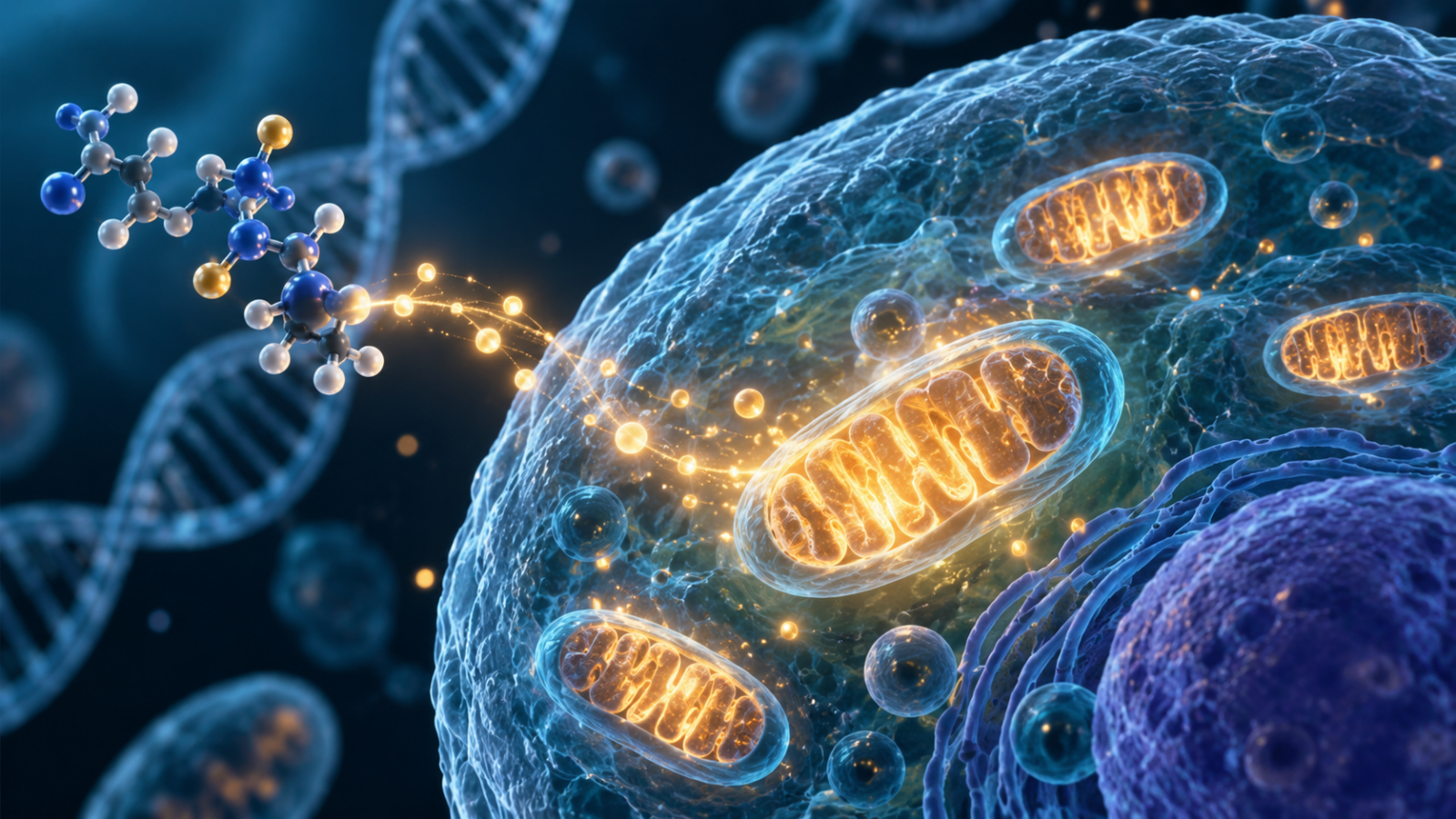
Mitochondria are the energy-producing structures inside your cells. They depend on nutrients, oxygen, thyroid hormones, blood sugar balance, and low inflammatory stress.
Chronic gut inflammation can increase the burden on mitochondria. That can contribute to fatigue, poor recovery, and low resilience.
Blood Sugar Control
Meals that lack protein, fiber, and healthy fat can create unstable energy. You may feel alert briefly, then crash.
A gut-supportive meal often supports steadier blood sugar because it includes:
- Protein
- Fiber-rich carbohydrates
- Healthy fats
- Colorful plants
- Minerals and hydration
Immune Load
If your immune system is constantly responding to gut irritation, that takes energy.
Fatigue is common when the immune system is activated. This is one reason chronic inflammation can feel like dragging a backpack full of bricks through your day.
How Hormones Fit Into the Gut-Brain Axis
Hormones and gut health are closely connected.
For women in their 35s, 40s, and 50s, shifting estrogen and progesterone can affect digestion, mood, sleep, cravings, insulin sensitivity, and stress tolerance.
For men, low testosterone, poor sleep, high stress, insulin resistance, and visceral fat can interact with inflammation and gut health.
Thyroid function also matters. Low thyroid function can slow gut motility, contribute to constipation, lower energy, and worsen brain fog.
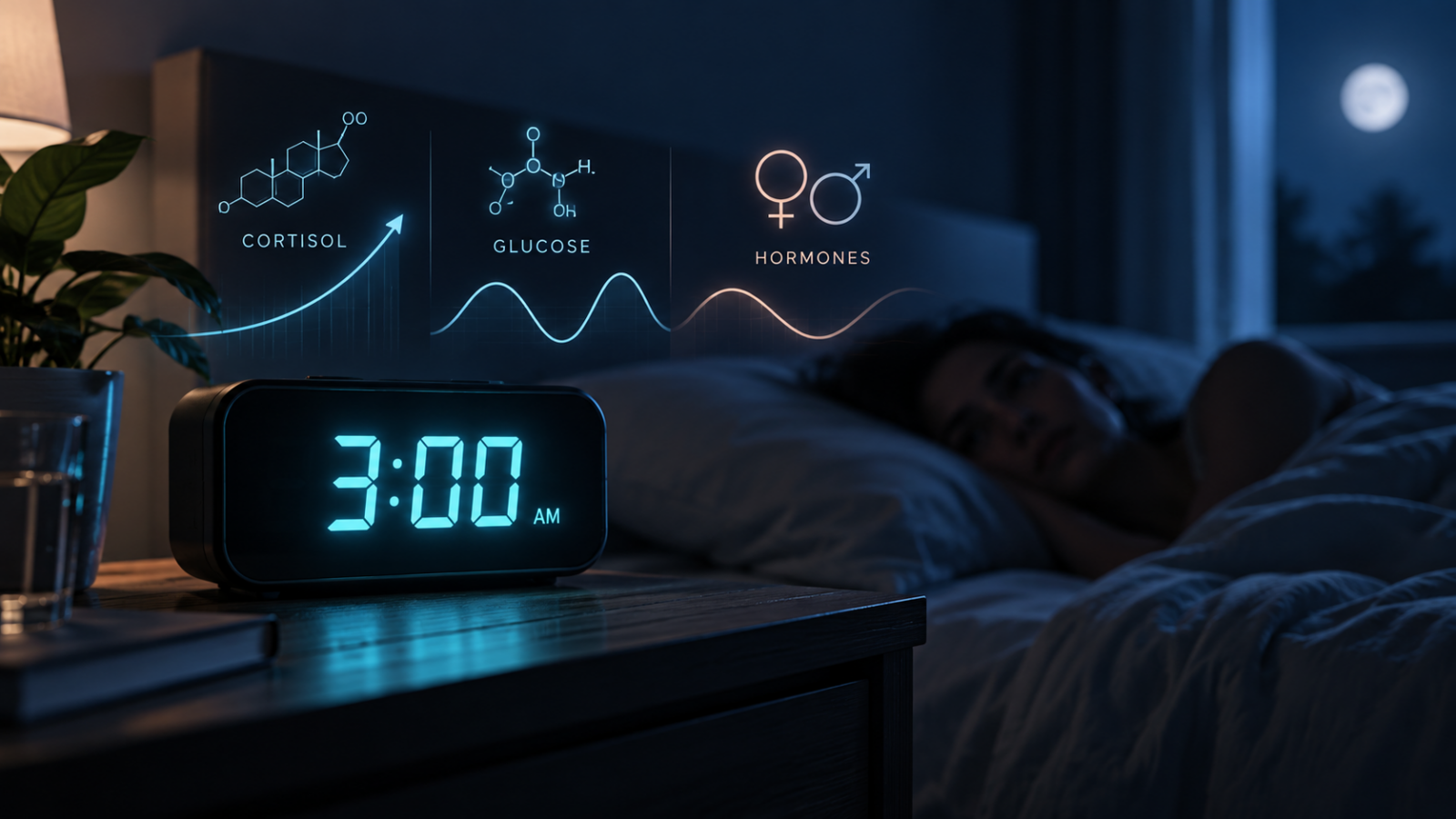
Cortisol rhythm matters too. Chronic stress can affect gut barrier function, cravings, blood sugar, and sleep quality.
This is why the 1st Optimal approach does not isolate gut symptoms from the rest of the body.
Gut health, hormones, metabolism, sleep, stress, and inflammation all interact. Treating one system while ignoring the others can miss the bigger pattern.
Common Root Causes of Gut-Brain Axis Dysfunction
If the gut-brain axis feels off, the question is not just “What supplement should I take?”
The better question is: What is driving the dysfunction?
Common root causes include:
Low Fiber Intake
Many adults do not eat enough fiber. Low fiber means beneficial bacteria may not get enough fuel to produce short-chain fatty acids.
Good fiber sources include:
- Beans
- Lentils
- Oats
- Berries
- Apples
- Ground flaxseed
- Chia seeds
- Vegetables
- Avocado
- Whole grains
- Nuts and seeds
Increase fiber gradually. Jumping from low fiber to very high fiber overnight can cause bloating, gas, and regret.
Low Plant Diversity
Your microbiome benefits from variety. Different plants provide different fibers, polyphenols, and nutrients.
A simple goal is to aim for a wide variety of plant foods across the week. This can include vegetables, fruits, herbs, spices, legumes, nuts, seeds, and whole grains if tolerated.
Ultra-Processed Food Intake
Ultra-processed foods are often low in fiber and high in refined carbohydrates, additives, industrial fats, and hyper-palatable combinations that make appetite regulation harder.
You do not need perfection. But if most of your meals come from packages, drive-thrus, and emergency snacks eaten over a keyboard, your gut may file a complaint.
Chronic Stress
Stress changes digestion.
It can reduce stomach acid, alter motility, increase gut sensitivity, affect the microbiome, and worsen inflammation. Stress can also drive alcohol intake, poor sleep, cravings, and skipped meals.
That is why stress support is gut support.
Poor Sleep
Sleep affects hunger hormones, blood sugar, immune function, cortisol rhythm, and microbiome patterns.
If you are sleeping 5 hours per night and trying to fix your gut with a probiotic, you may be missing the largest lever.
Alcohol
Alcohol can irritate the gut lining, affect motility, disrupt sleep, increase inflammation, and alter the microbiome.
For some people, reducing alcohol is one of the fastest ways to improve bloating, sleep, mood, and energy.
Antibiotic Exposure
Antibiotics can be necessary and sometimes lifesaving. They can also disrupt the microbiome.
After antibiotic use, gut rebuilding may require nutrition, fiber, fermented foods if tolerated, targeted probiotics when appropriate, and time.
Food Sensitivities or Intolerances
Some people react to specific foods because of lactose intolerance, gluten-related disorders, histamine issues, FODMAP sensitivity, immune reactions, or poor digestion.
Food sensitivity testing can sometimes help guide a plan, but results should be interpreted in context. The goal is not to create a fear-based diet. The goal is to reduce triggers while rebuilding the system.
Gut Infections or Overgrowth
Some people have bacterial overgrowth, yeast overgrowth, parasites, or post-infectious changes that keep symptoms active.
This is where testing may be helpful, especially when symptoms are persistent.
How to Support the Gut-Brain Axis
The best gut-brain support plan is personalized. But the fundamentals matter.
1. Eat Enough Protein
Protein supports neurotransmitter production, blood sugar balance, muscle maintenance, immune function, and tissue repair.
Most high-achieving adults under-eat protein earlier in the day, then wonder why they crash at 3 p.m.
Start with protein at breakfast.
Examples:
- Eggs with vegetables
- Greek yogurt with berries and chia
- Protein smoothie with fiber
- Turkey or chicken breakfast bowl
- Cottage cheese with fruit
- Tofu scramble
- Smoked salmon with avocado
2. Build Meals Around Fiber
Fiber feeds beneficial gut bacteria and supports short-chain fatty acid production.
Start gradually if your gut is sensitive.
Simple additions:
- Add berries to breakfast
- Add ground flaxseed to yogurt
- Add beans or lentils to soup
- Add vegetables to lunch and dinner
- Swap refined grains for higher-fiber options
- Use chia seeds in smoothies
- Add avocado to meals
If fiber worsens symptoms significantly, that does not mean fiber is bad. It may mean the gut needs a more targeted approach.
3. Eat More Plant Diversity
Instead of eating the same three foods every day, rotate your plants.
Try adding:
- Leafy greens
- Cruciferous vegetables
- Berries
- Citrus
- Mushrooms
- Herbs
- Spices
- Onions and garlic if tolerated
- Beans and lentils
- Nuts and seeds
- Colorful peppers
- Squash
- Sweet potatoes
Polyphenols from colorful plant foods can support beneficial microbes and antioxidant pathways.
4. Include Fermented Foods if Tolerated
Fermented foods may support microbial diversity and gut health for some people.
Options include:
- Yogurt with live cultures
- Kefir
- Sauerkraut
- Kimchi
- Miso
- Tempeh
- Fermented vegetables
If you react to fermented foods, histamine intolerance or gut imbalance may be part of the picture. Start small or work with a provider.
5. Stabilize Blood Sugar
Blood sugar swings can mimic anxiety, fatigue, irritability, cravings, and brain fog.
Build meals with:
- Protein
- Fiber
- Healthy fat
- Colorful plants
- Smart carbohydrates based on your activity level
Examples:
- Salmon, roasted vegetables, quinoa, olive oil
- Chicken salad with avocado, beans, and greens
- Greek yogurt with berries, chia, and walnuts
- Turkey burger bowl with sweet potato and vegetables
- Tofu stir-fry with rice and broccoli
A 10-minute walk after meals can also support glucose control and digestion.
6. Support the Vagus Nerve
You cannot “hack” your vagus nerve into fixing your life. But you can support parasympathetic tone through simple habits.
Try:
- Slow nasal breathing
- Longer exhales
- Humming or singing
- Gentle movement
- Walking outside
- Prayer or meditation
- Cold face splashes
- Yoga or mobility work
- Eating slowly
- Putting your phone away during meals
That last one is apparently heroic now.
When you eat in a stressed state, digestion can suffer. Slowing down before meals can improve the body’s readiness to digest.
7. Prioritize Sleep
Sleep is not optional recovery. It is when the body regulates hormones, immune activity, brain cleanup, blood sugar, and nervous system function.
Support sleep with:
- Consistent wake time
- Morning sunlight
- Caffeine cutoff by early afternoon
- Dark, cool bedroom
- Reduced alcohol
- Protein-forward meals
- Evening screen boundaries
- Relaxing pre-sleep routine
If sleep is poor despite good habits, assess hormones, cortisol rhythm, thyroid function, blood sugar, sleep apnea risk, and nutrient status.
8. Reduce Gut Irritants
Common irritants include:
- Excess alcohol
- Frequent fried foods
- High added sugar intake
- Large amounts of ultra-processed food
- Foods you consistently react to
- Eating too fast
- Chronic NSAID use without medical guidance
- Poor hydration
You do not need to live on boiled chicken and sadness. But the gut does respond to repeated exposures.
9. Test Instead of Guessing
If symptoms are persistent, testing can help identify what is actually happening.
At 1st Optimal, depending on the person, this may include:
- Comprehensive blood work
- Inflammatory markers
- Thyroid markers
- Hormone markers
- Nutrient markers
- Blood sugar and insulin markers
- Food sensitivity testing
- Advanced stool testing
- Gut permeability markers when appropriate
The point is not to collect labs like trading cards. The point is to build a clear plan.
When to Consider Gut Health Testing
Gut testing may be worth considering if you have:
- Chronic bloating
- Constipation or diarrhea
- Alternating stool patterns
- Reflux
- Food reactions
- Brain fog after meals
- Fatigue with digestive symptoms
- Skin flares with gut symptoms
- Mood changes tied to digestion
- Poor response to generic probiotics
- History of frequent antibiotics
- Suspected gut infections
- Unexplained inflammation
- Stubborn weight loss resistance with gut symptoms
Testing does not replace a clinical evaluation. But it can reveal patterns that are easy to miss with symptoms alone.
A functional gut assessment may help identify:
- Digestive insufficiency
- Microbial imbalance
- Inflammatory markers
- Immune activation
- Potential pathogens
- Short-chain fatty acid patterns
- Gut barrier stress
- Food sensitivity patterns
This helps personalize the plan.
Because “take this probiotic from the internet” is not exactly precision medicine.
What About Probiotics?
Probiotics can help some people, but they are not magic.
A probiotic is a live microorganism that may provide a health benefit when taken in adequate amounts. Different strains have different effects. That means the name on the label matters.
Some probiotics may support bowel regularity. Others may help antibiotic-associated diarrhea. Some may support mood-related outcomes in certain populations. Others may do very little for a specific person.
More is not always better.
If probiotics worsen bloating, gas, histamine symptoms, or discomfort, stop and reassess. You may need a different strain, a lower dose, a food-first approach, or evaluation for underlying issues.
Prebiotics are different. They are fibers or compounds that feed beneficial microbes. Synbiotics combine probiotics and prebiotics.
For many people, the foundation is not a supplement. It is diet quality, fiber tolerance, sleep, stress, hydration, movement, and targeted testing when needed.
A Simple Gut-Brain Support Day
Here is what a gut-brain supportive day could look like.
Morning
Start with hydration and light exposure. Get sunlight outside if possible.
Eat a protein-rich breakfast with fiber.
Example:
Greek yogurt, berries, chia seeds, walnuts, and cinnamon.
Or:
Eggs with spinach, avocado, and a side of fruit.
Take 3 to 5 slow breaths before starting work. This is not glamorous. It works better than doom-scrolling before coffee.
Midday
Build lunch around protein, plants, and healthy fat.
Example:
Grilled chicken bowl with greens, roasted vegetables, quinoa, olive oil, pumpkin seeds, and fermented vegetables if tolerated.
Take a 10-minute walk after lunch.
Afternoon
If energy crashes, avoid reaching automatically for sugar or another caffeine hit.
Check the basics:
- Did you eat enough protein?
- Did lunch include fiber?
- Did you hydrate?
- Did you sleep poorly?
- Are you stressed or under-recovered?
A snack could be:
- Apple with nut butter
- Cottage cheese with berries
- Protein shake with fiber
- Hummus with vegetables
- Turkey roll-ups with avocado
Evening
Eat dinner at least 2 to 3 hours before bed if possible.
Example:
Salmon, sweet potato, asparagus, olive oil, and a side salad.
Reduce screens before bed. Keep the room cool and dark. Avoid alcohol if sleep, mood, reflux, or hot flashes are an issue.
Weekly
Aim for:
- 25 to 35 grams of fiber daily, adjusted to tolerance
- 2 to 4 strength sessions
- Daily walking
- 7 to 9 hours of sleep
- 20 to 30 different plant foods weekly
- Regular bowel movements
- Stress regulation habits
- Lab testing if symptoms persist
Gut-Brain Axis Myths
Myth 1: “It is all in your head.”
No. Symptoms are real.
The gut-brain axis shows us that mental and digestive symptoms can be deeply connected. That does not mean every symptom starts in the gut, but it does mean the body should be evaluated as a system.
Myth 2: “A probiotic will fix it.”
Maybe. Maybe not.
Probiotics are strain-specific and person-specific. They can help some cases, but they are not a substitute for nutrition, testing, sleep, stress regulation, or medical care.
Myth 3: “You need to eliminate every food that causes symptoms.”
Not forever.
Short-term elimination can be useful in some cases. But the long-term goal should usually be more tolerance, not a smaller and smaller diet.
Myth 4: “Gut health means eating perfectly.”
No.
Gut health is built through consistent patterns, not perfection. A flexible, nutrient-dense approach is more sustainable than fear-based restriction.
Myth 5: “Brain fog is normal with age.”
Common is not the same as normal.
Brain fog can become more common with stress, poor sleep, perimenopause, low testosterone, thyroid changes, nutrient deficiencies, blood sugar issues, and gut dysfunction. But it should still be investigated.
FAQ: Gut-Brain Axis
What is the gut-brain axis?
The gut-brain axis is the two-way communication network between your digestive system and brain. It works through the vagus nerve, immune system, hormones, neurotransmitter pathways, microbial metabolites, and inflammatory signals.
Can gut health affect mood?
Yes, gut health can influence mood through inflammation, microbial metabolites, stress hormone pathways, nutrient absorption, and neurotransmitter-related signaling. It is not the only factor in mood, but it can be an important one.
Can gut problems cause brain fog?
Gut issues can contribute to brain fog, especially when inflammation, blood sugar swings, food reactions, poor motility, or nutrient deficiencies are involved. Brain fog can also come from sleep problems, hormones, thyroid issues, stress, and other medical conditions.
How does the microbiome affect energy?
The microbiome can affect energy by influencing nutrient metabolism, inflammation, short-chain fatty acid production, gut barrier health, and blood sugar regulation. Poor gut health can increase immune burden and make fatigue worse.
Does serotonin come from the gut?
A large amount of the body’s serotonin is produced in the gut, mainly by enterochromaffin cells. Gut serotonin does not simply enter the brain directly, but it plays an important role in gut motility, immune signaling, and gut-brain communication.
What foods support the gut-brain axis?
Gut-brain supportive foods include fiber-rich plants, fermented foods if tolerated, high-quality protein, omega-3-rich foods, colorful fruits and vegetables, herbs, spices, nuts, seeds, beans, lentils, and minimally processed whole foods.
Are probiotics good for the gut-brain axis?
Some probiotics may support gut and mood-related outcomes in certain people, but effects depend on the strain, dose, person, and clinical context. Probiotics are not a cure-all. A personalized approach works better.
When should I get gut testing?
Consider gut testing if you have persistent bloating, irregular bowel movements, food reactions, reflux, brain fog after meals, unexplained fatigue, skin flares, or symptoms that do not improve with basic diet and lifestyle changes.
The Bottom Line
Mental clarity, steady mood, and reliable energy are not only “in your head.”
They are connected to your gut, your microbiome, your immune system, your hormones, your stress response, and your metabolism.
The gut-brain axis helps explain why digestive symptoms can show up as brain fog. It helps explain why stress can wreck digestion. It helps explain why low fiber, poor sleep, inflammation, and dysbiosis can make you feel off even when standard advice has not helped.
The answer is not to guess harder.
The answer is to look deeper.
At 1st Optimal, we use advanced testing, functional medicine, and personalized coaching to help identify the root causes behind gut issues, brain fog, fatigue, mood changes, and stubborn metabolic symptoms.
If your gut feels off, your energy is low, or your brain does not feel as sharp as it used to, it may be time to stop treating symptoms in isolation.
Book a free consult with 1st Optimal to explore what your gut-brain axis may be trying to tell you.
Educational only, not medical advice. Always consult a licensed healthcare provider before making changes to your diet, supplements, medications, or treatment plan.