
GLP-1 medications like semaglutide changed the weight-loss conversation, full stop. For millions of people who’d fought their own biology for years, these medications finally quieted the relentless “food noise” and made sustainable eating feel possible. If you want a real-world picture of what that’s like, Kristy’s GLP-1 success story captures it better than any statistic.
But here’s the thing the headlines skip: losing weight and losing fat are not the same goal. And if you ignore the difference, you can hit your target number on the scale while quietly undermining your metabolism, your strength, and your long-term results. Let’s talk about how to do this right.
The Hidden Risk of Fast Weight Loss
When you lose weight quickly, some of what comes off is fat and some is muscle. That muscle loss is a bigger deal than most people realize.
Muscle is metabolically active tissue. It’s the engine that burns energy at rest, the thing that keeps you strong and functional, and a major driver of healthy aging. Lose too much of it during a weight-loss phase and you end up “skinny but soft,” with a slower metabolism that makes regaining the weight almost inevitable the moment you stop.
In other words: the way you lose weight determines whether the results last. This is exactly where the 2026 approach pulls ahead of the old “just eat less” advice.
Strength Training Is the Non-Negotiable
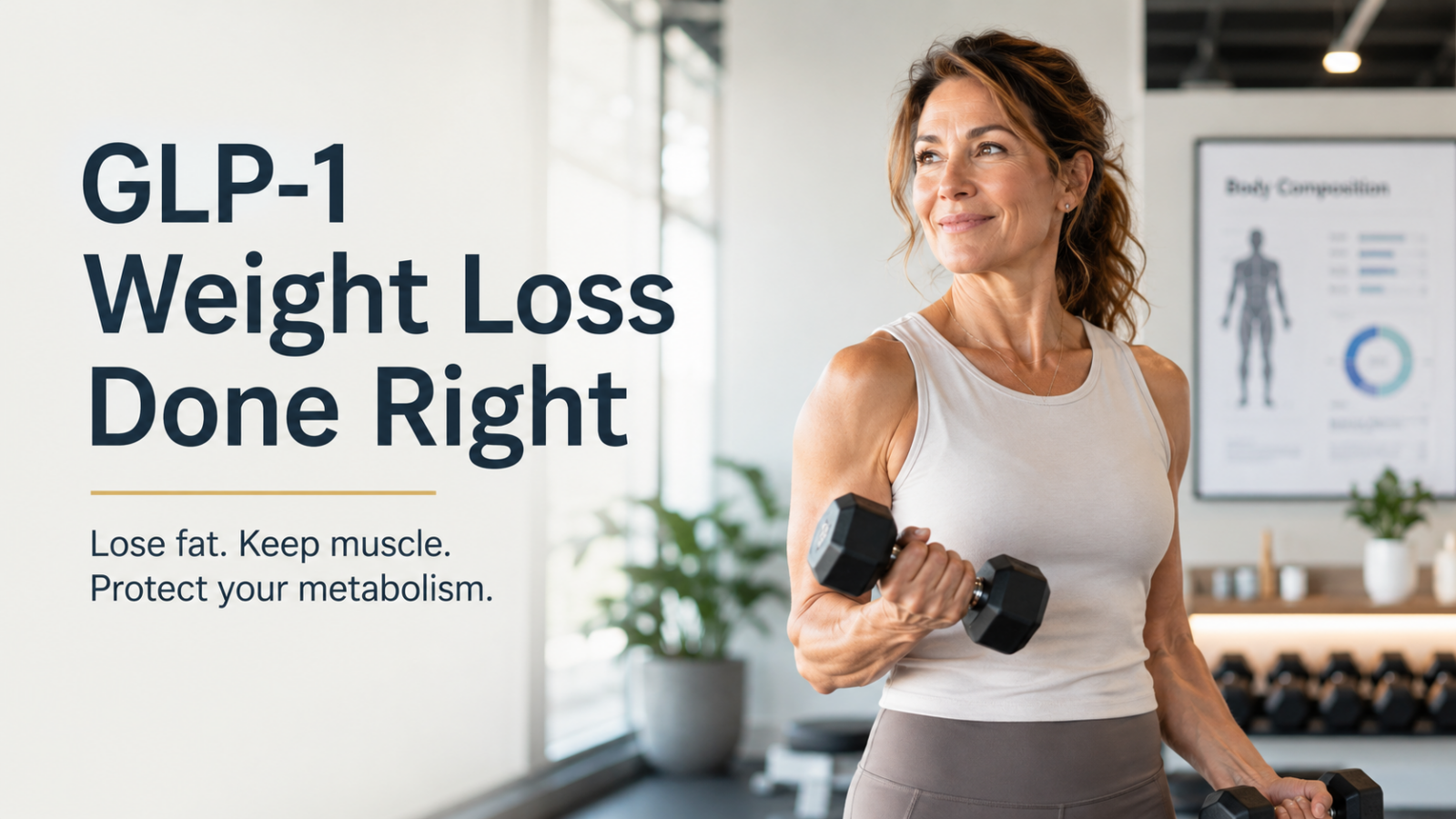
If there’s one foundational habit that protects you through a weight-loss phase, it’s resistance training. Not endless cardio — strength work.
Lifting tells your body to keep the muscle it has, even while you’re in a calorie deficit. It preserves your metabolic engine, maintains your strength and mobility, and shapes the body composition you actually want. Efficient, sustainable strength programming beats grinding hours on a treadmill for almost everyone chasing fat loss and longevity at the same time.
The trend here isn’t doing more, it’s doing it smarter. Two or three well-structured strength sessions a week, progressed sensibly, outperform a punishing schedule you can’t maintain.
Protein and Nutrition That Work With Your Medication
GLP-1 medications reduce appetite, which is the point, but it creates a challenge. When you’re eating less overall, every bite has to work harder.
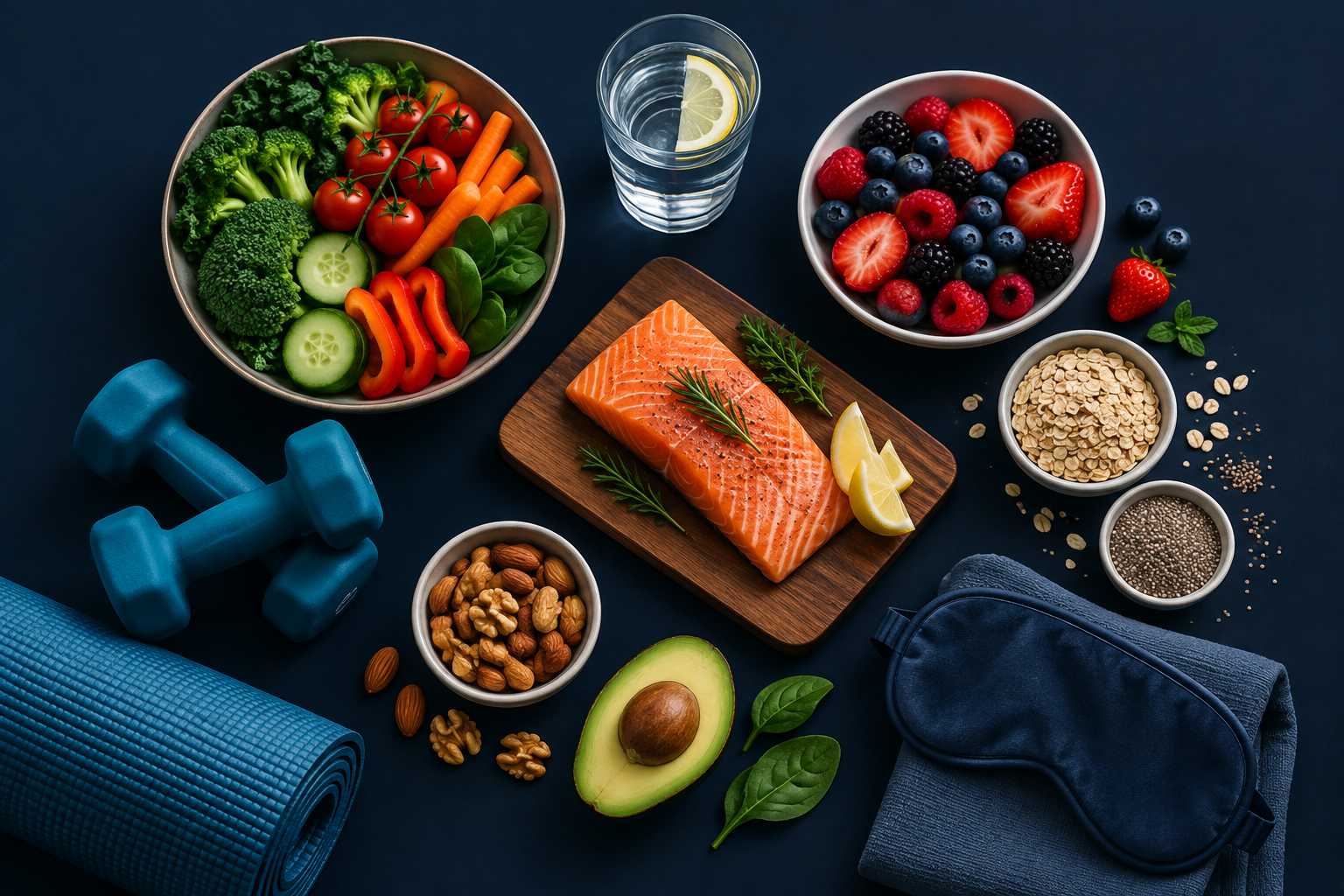
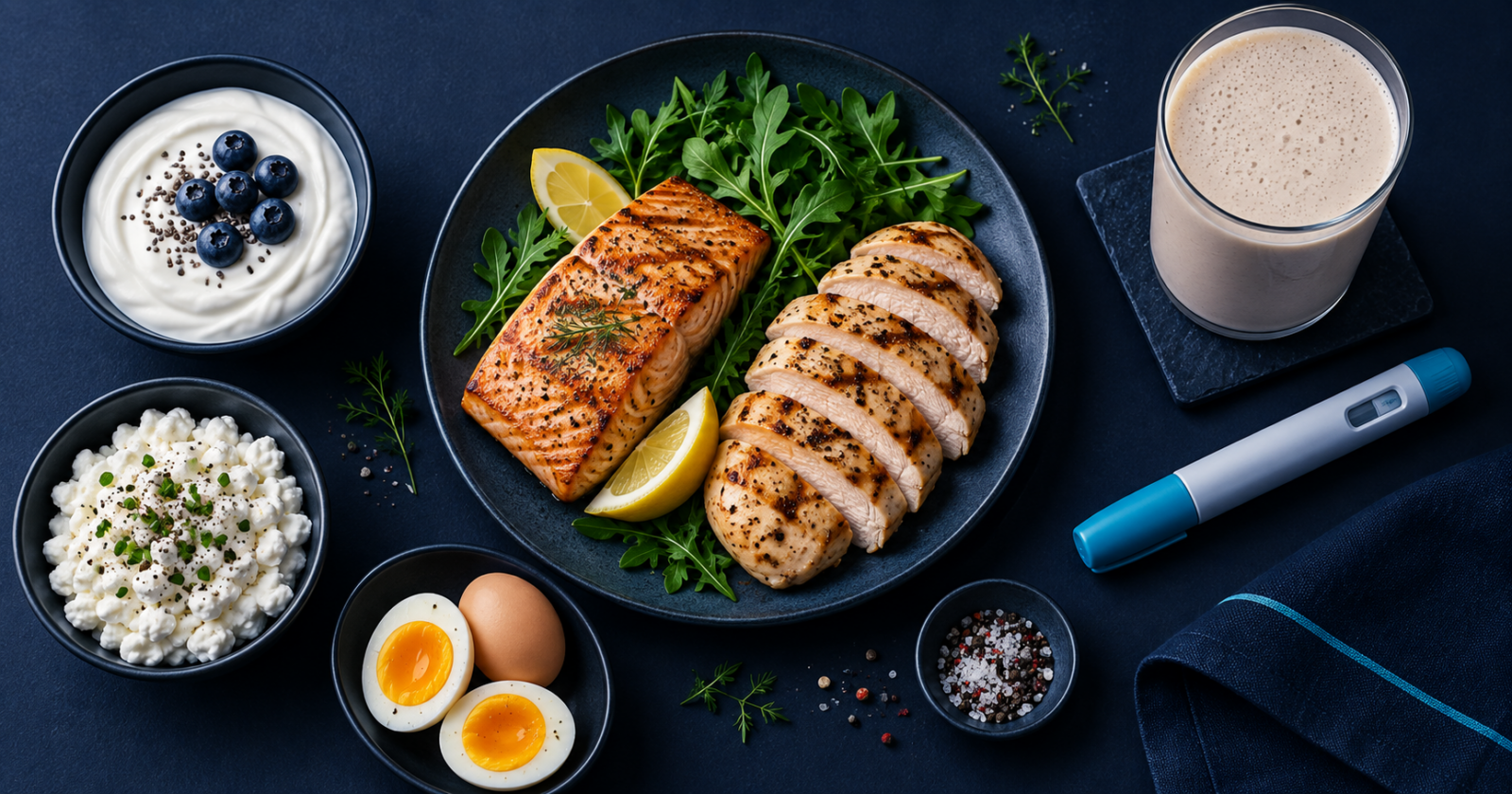
That means prioritizing protein to feed and preserve muscle, leaning on fiber and nutrient-dense, plant-forward foods, and building meals around quality rather than just quantity. The goal is smaller portions that are still doing real nutritional work, not just fewer calories. Done well, this is what keeps energy up and muscle on while the fat comes off.
Recovery Is Where Results Are Built
Training breaks muscle down; recovery is when it rebuilds. Skip recovery and you blunt all that good work in the gym.
The smarter recovery toolkit in 2026 includes prioritizing sleep, managing the nervous system and stress, and using data from wearables like heart rate variability to know when to push and when to back off. For people training hard, recovery-focused peptide therapy has also entered the conversation as a way to support tissue repair, always under proper supervision.
Why “Calories In, Calories Out” Isn’t the Whole Story
If weight loss were purely arithmetic, nobody would struggle. The functional-medicine view is that stubborn weight usually has root causes worth investigating: hormone imbalances, insulin resistance, gut dysfunction, chronic inflammation, and thyroid issues all influence how your body stores and burns fat.
A medication can be a powerful lever, but it works best when those underlying drivers are addressed too. That’s why thorough programs start with comprehensive lab testing to see what’s actually happening under the hood rather than guessing.
Body Recomposition: The Real Goal
Put the pieces together and you get body recomposition losing fat while preserving or even building muscle. It’s the difference between weighing less and looking and feeling genuinely healthier.
The formula isn’t a secret: a sensible nutrition approach, consistent strength training, smart recovery, and where appropriate medical support like GLP-1 therapy, all guided by your biomarkers rather than a generic plan. This is the approach behind 1st Optimal’s medically supervised weight-loss program.
Is a GLP-1 Right for You?
GLP-1 medications are genuinely helpful for a lot of people and not the right fit for everyone. The honest way to find out is an evaluation, not a guess. If you’re curious where you stand, the GLP-1 quiz is a quick first step.
The Bottom Line
GLP-1 medications are a real breakthrough, but they’re a tool, not a magic wand. Pair them with strength training, smart protein-forward nutrition, real recovery, and root-cause care, and you get results that hold, a stronger body and a metabolism you didn’t sacrifice to get there.
If you want a plan built around your labs and goals, you can book a call with the 1st Optimal team and start with a clear picture instead of another crash diet.
FAQs:
Do GLP-1 medications make you lose muscle?
GLP-1 medications can lead to weight loss, and some of that weight may come from lean mass if nutrition and strength training are ignored. Protein intake and resistance training help reduce that risk.
How much protein should I eat on GLP-1 medication?
Protein needs vary by body size, goals, kidney health, and activity level. Many weight-loss plans prioritize protein at each meal to support fullness, muscle preservation, and recovery.
Should I lift weights while taking semaglutide?
Yes. Strength training helps preserve muscle during weight loss and supports better body composition, metabolism, and long-term function.
What is body recomposition?
Body recomposition means losing fat while preserving or building muscle. It’s often a better goal than weight loss alone because it focuses on how the body changes, not just the number on the scale.
Are GLP-1 medications right for everyone?
No. GLP-1 medications are not appropriate for everyone. A medical evaluation, health history, lab review, and provider guidance help determine whether they’re a safe fit.