
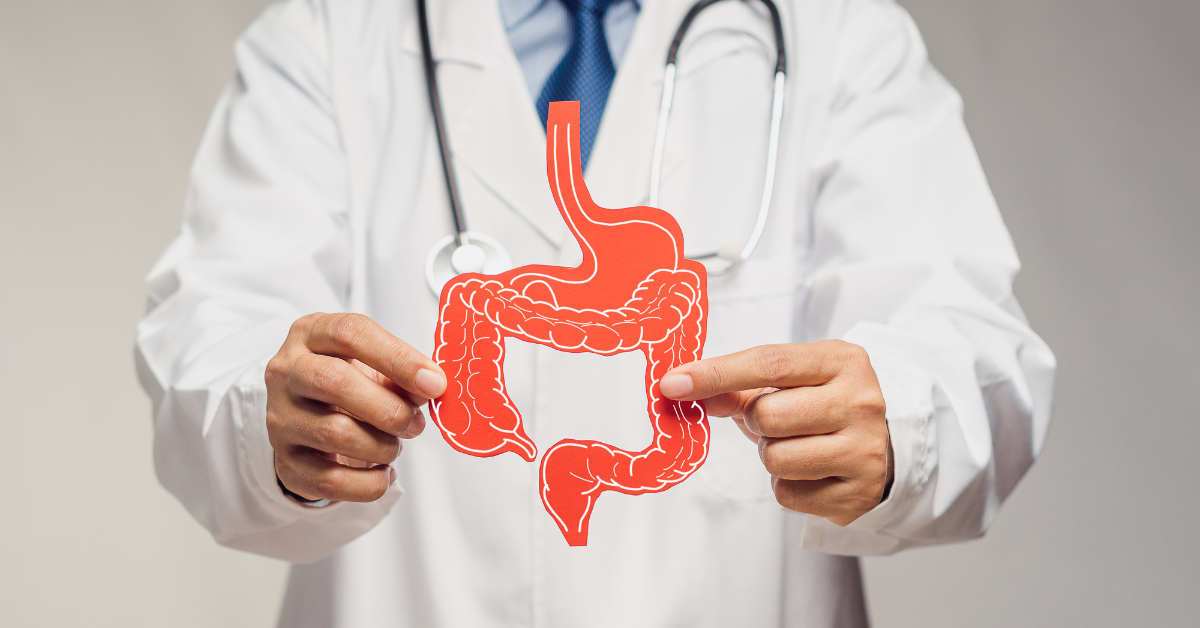
The Importance of Gut Health for Overall Wellness
Gut health is a cornerstone of overall well-being, playing a pivotal role not only in digestion but also in immune function, mental clarity, and hormonal balance. A healthy gut is essential for a vibrant life, as an imbalance in gut bacteria can contribute to numerous health issues, ranging from bloating and indigestion to chronic disease and mood imbalances.
In this comprehensive guide, we’ll explore the most common questions about gut health, providing evidence-based answers. Additionally, we’ll highlight how 1st Optimal’s personalized gut health testing and treatments can help you optimize your digestive health and unlock greater energy, clarity, and vitality.
Top 50 Google Questions About Gut Health
1. What is gut health?
- Gut health refers to the overall condition of your digestive system, particularly the gut microbiome, which is made up of trillions of bacteria and other microorganisms that help with digestion and overall well-being.
2. How does gut health affect overall health?
- Gut health is linked to immunity, mental clarity, digestion, and hormone regulation. An imbalance in gut bacteria can lead to digestive issues, immune problems, and even mental health disorders.
3. What are the symptoms of poor gut health?
- Symptoms of poor gut health include bloating, gas, constipation, diarrhea, fatigue, food intolerances, skin conditions like acne, and mental fog.
4. What causes poor gut health?
- Poor diet (processed foods, high sugar intake), antibiotics, stress, lack of sleep, environmental toxins, and a sedentary lifestyle can all disrupt gut health.
5. How can I improve my gut health naturally?
- Eat a fiber-rich diet, consume fermented foods (like yogurt and kimchi), reduce stress, exercise regularly, and consider probiotics or prebiotics to restore gut balance.
6. What is the gut microbiome?
- The gut microbiome is the collection of trillions of bacteria, viruses, and fungi living in your intestines. They are crucial for digestion, immune defense, and even mental health.
7. How does the gut microbiome impact mental health?
- The gut and brain communicate through the gut-brain axis. A balanced microbiome is essential for mood regulation and cognitive function. Imbalances can contribute to mental health issues like depression and anxiety.
8. Can gut health affect my skin?
- Yes, poor gut health can contribute to skin conditions like acne, eczema, and rosacea. Gut inflammation and imbalances can cause or worsen these conditions.
9. What foods should I avoid for gut health?
- Avoid processed foods, excessive sugar, alcohol, and artificial sweeteners. These disrupt gut bacteria balance and increase inflammation.
10. What are the best foods for gut health?
- High-fiber foods, like fruits, vegetables, whole grains, and legumes, as well as fermented foods like yogurt, kefir, and kimchi, support gut health.
11. How do antibiotics affect gut health?
- Antibiotics can kill both harmful and beneficial bacteria in the gut, leading to an imbalance and potentially causing digestive issues like diarrhea, bloating, or gut dysbiosis.
12. What is leaky gut syndrome?
- Leaky gut syndrome occurs when the lining of the intestines becomes damaged, allowing toxins and undigested food particles to leak into the bloodstream, which can trigger inflammation and immune responses.
13. What is gut dysbiosis?
- Gut dysbiosis is an imbalance in the gut microbiome, often caused by factors like diet, stress, or antibiotic use. It can lead to digestive disorders, immune dysfunction, and inflammation.
14. How can I test my gut health?
- You can test your gut health with stool tests, such as the GI-MAP, which analyze the microbiome for imbalances and pathogens, providing insights into gut function.
15. What is a stool test for gut health?
- A stool test analyzes your fecal matter to assess gut health, detecting pathogens, harmful bacteria, inflammation markers, and microbiome imbalances.
16. What is SIBO (Small Intestinal Bacterial Overgrowth)?
- SIBO occurs when an abnormal number of bacteria grow in the small intestine, leading to symptoms like bloating, gas, diarrhea, and nutrient malabsorption.
17. How can I treat SIBO?
- Treatment for SIBO typically includes antibiotics, dietary changes like the low FODMAP diet, and probiotics to restore the balance of gut bacteria.
18. Can stress affect my gut health?
- Yes, chronic stress can negatively affect gut health by altering gut bacteria, increasing intestinal permeability (leaky gut), and triggering inflammation.
19. What is IBS (Irritable Bowel Syndrome)?
- IBS is a common digestive disorder characterized by symptoms like abdominal pain, bloating, diarrhea, and constipation. It is often linked to an imbalance in gut bacteria.
20. How can I manage IBS?
- IBS can be managed with dietary changes (like a low FODMAP diet), probiotics, stress reduction, and medications if necessary. Working with a healthcare provider is essential for tailored treatment.
21. What role do prebiotics play in gut health?
- Prebiotics are non-digestible fibers that feed beneficial bacteria in the gut, supporting the growth of good microbes and improving overall gut health.
22. How do probiotics improve gut health?
- Probiotics introduce beneficial bacteria into the gut, helping to restore balance, improve digestion, and support the immune system.
23. Are fermented foods good for gut health?
- Yes, fermented foods like kimchi, sauerkraut, and kefir are rich in probiotics and help promote the growth of beneficial bacteria in the gut.
24. How does sugar affect gut health?
- Excessive sugar intake can promote the growth of harmful bacteria and yeast in the gut, leading to dysbiosis and inflammation.
25. What is the relationship between gut health and immunity?
- The gut is home to about 70% of the immune system. A healthy microbiome supports immune function by helping to regulate inflammation and fight infections.
26. What is gut permeability?
- Gut permeability refers to the gut lining’s ability to allow nutrients and waste products to pass through. When permeability increases, it can lead to leaky gut, which triggers inflammation and immune responses.
27. How can I reduce inflammation in the gut?
- To reduce inflammation in the gut, focus on an anti-inflammatory diet (rich in omega-3s and antioxidants), manage stress, take probiotics, and avoid foods that trigger gut irritation.
28. Can gluten affect gut health?
- In individuals with gluten sensitivity or celiac disease, gluten can cause inflammation in the gut and disrupt the microbiome. A gluten-free diet can help restore gut health in these individuals.
29. How does gut health affect sleep?
- A balanced gut microbiome can improve sleep quality by regulating hormones like serotonin and melatonin, which are crucial for sleep. Gut imbalances can lead to poor sleep and even insomnia.
30. How can I improve digestion naturally?
- Improve digestion by eating slowly, chewing food thoroughly, staying hydrated, and incorporating digestive enzymes or probiotics to support digestive processes.
31. What are the best gut health supplements?
- The best gut health supplements include probiotics, prebiotics, digestive enzymes, and glutamine to support the gut lining. Always consult with a healthcare provider to choose the right supplement.
32. Can stress cause bloating?
- Yes, stress can lead to bloating by affecting gut motility, increasing gas production, and altering the gut microbiome. Relaxation techniques can help reduce stress-related bloating.
33. How can I heal my gut naturally?
- To heal your gut naturally, focus on an anti-inflammatory diet, take probiotics, manage stress, avoid toxins, and ensure you get enough sleep.
34. What is the role of fiber in gut health?
- Fiber acts as food for beneficial gut bacteria, helping them thrive and support healthy digestion. It also aids in bowel regularity and reduces inflammation in the gut.
35. How can I improve my gut health after antibiotics?
- After taking antibiotics, replenish the beneficial bacteria in your gut with probiotics, prebiotics, and a fiber-rich diet. Avoid processed foods and alcohol to promote healing.
36. What is gut inflammation?
- Gut inflammation occurs when the immune system reacts to an imbalance in gut bacteria or harmful substances. It can lead to digestive issues, bloating, and conditions like Crohn’s disease or ulcerative colitis.
37. Can a poor diet affect my gut microbiome?
- Yes, a diet high in processed foods, sugar, and unhealthy fats can disrupt the balance of your microbiome, promoting harmful bacteria and causing gut issues.
38. What are gut healing foods?
- Gut healing foods include bone broth, fermented foods, high-fiber vegetables, and foods rich in omega-3 fatty acids, all of which promote gut lining repair and support beneficial bacteria.
39. How can I test for food sensitivities affecting my gut?
- Food sensitivity testing, such as the MRT (Mediator Release Test), can help identify foods that may be causing inflammation and digestive discomfort.
40. Can gut health affect my energy levels?
- Yes, an imbalance in gut bacteria can lead to poor nutrient absorption, inflammation, and fatigue. A healthy gut is essential for optimal energy production.
41. What is the connection between gut health and autoimmune disease?
- Gut health plays a crucial role in regulating the immune system. Imbalances in the microbiome can trigger autoimmune diseases by affecting immune responses.
42. How do digestive enzymes help with gut health?
- Digestive enzymes help break down food more efficiently, reducing bloating, gas, and indigestion. They support overall digestion and nutrient absorption.
43. Can gut health affect my weight?
- Yes, the gut microbiome influences metabolism and fat storage. An imbalance can lead to weight gain or difficulty losing weight.
44. What are probiotics for gut health?
- Probiotics are live bacteria that help restore balance to the gut microbiome. They can improve digestion, boost immunity, and reduce symptoms like bloating or diarrhea.
45. Can a lack of sleep affect gut health?
- Yes, inadequate sleep can disrupt the gut microbiome and lead to gut inflammation. Prioritize quality sleep to support healthy digestion.
46. How does alcohol affect gut health?
- Alcohol can disrupt gut bacteria, increase gut permeability, and promote inflammation, leading to digestive issues and long-term gut imbalances.
47. What is the best probiotic for gut health?
- The best probiotics depend on individual needs. Multi-strain probiotics with Lactobacillus, Bifidobacterium, and Saccharomyces boulardii have been shown to support gut health effectively.
48. Can gut health affect my hormones?
- Yes, the gut microbiome influences hormone production, including hormones involved in metabolism, stress response, and reproductive health.
49. What is the gut-brain connection?
- The gut-brain connection refers to the two-way communication between the gut and the brain. Gut health can affect mental health, and vice versa, through signaling pathways and neurotransmitter production.
50. How can I restore balance to my gut microbiome?
- Restoring balance involves eating a healthy, diverse diet, reducing stress, avoiding toxins, and incorporating probiotics and prebiotics. Testing, such as the GI-MAP, can help guide personalized treatment.
Physiology of Gut Health
The gut microbiome, made up of trillions of microorganisms, plays a critical role in digestion, immune function, and overall health. The gut bacteria help break down food, produce essential vitamins, and protect the gut lining from harmful invaders. A balanced microbiome is essential for optimal gut health and overall wellness.
Gut Health and Mental Health: The Gut-Brain Axis
The gut-brain connection has gained significant attention in recent years. A healthy gut microbiome can positively influence mood and cognition, while an imbalance can contribute to anxiety, depression, and cognitive decline. Studies show that probiotics and prebiotics can help manage mood disorders by balancing gut bacteria.
Gut Testing and Diagnostics
At 1st Optimal, we offer advanced gut health testing using tools like the GI-MAP, which provides a comprehensive analysis of your gut microbiome. This test can identify imbalances in bacteria, pathogens, and markers of gut inflammation, helping to guide personalized treatment plans tailored to your needs.
Practical Application: How to Optimize Your Gut Health
- Diet: Incorporate more fiber, fermented foods, and prebiotic-rich foods to nurture a healthy microbiome. Avoid processed foods, excessive sugars, and artificial sweeteners.
- Probiotics: Adding probiotics to your diet can help restore balance to your gut flora. Choose high-quality, multi-strain probiotics for the best results.
- Exercise: Regular physical activity promotes gut health by increasing the diversity of your microbiome and improving digestion.
- Stress Management: Practices like yoga, mindfulness, and meditation can reduce the negative impact of stress on your gut health.
Case Studies
Case Study 1: Addressing IBS with Personalized Testing
Background: A 45-year-old woman presented with chronic bloating, diarrhea, and stomach discomfort for several years. She had visited multiple doctors but never received a clear diagnosis.
Assessment: Advanced gut testing at 1st Optimal revealed imbalances in gut bacteria, including a high level of pathogenic bacteria and low beneficial strains.
Intervention: A personalized treatment plan including targeted probiotics, dietary changes, and stress management techniques was created.
Results: After 3 months, symptoms significantly improved. The client reported better digestion, less bloating, and increased energy.
Key Takeaway: Targeted gut testing and personalized interventions can lead to lasting relief from chronic digestive issues.
Gut health is foundational to overall wellness. By addressing imbalances through advanced testing and personalized care, 1st Optimal empowers you to optimize your gut health and improve your quality of life.
Ready to take control of your gut health?
Book a free health consult to get personalized guidance on your hormones, metabolism, gut health, and performance:
https://1stoptimal.com/book-a-call/
About Us
1st Optimal is a functional medicine and performance health clinic dedicated to helping high-achieving adults optimize hormone health, weight, energy, and longevity. Follow 1st Optimal on Instagram
Founders:
- Joe Miller – Expert in functional medicine, hormone optimization, and health coaching. Follow Joe on Instagram
- Amber Miller – Operational leader specializing in patient experience, clinic growth, and holistic health. Follow Amber on Instagram
At 1st Optimal, we combine advanced diagnostics, personalized protocols, and coaching partnerships to deliver sustainable health results for midlife adults.