
For years, creatine was marketed almost exclusively to bodybuilders, athletes, and men trying to gain muscle.
That reputation is changing.
Research is increasingly examining creatine for women, particularly during perimenopause, menopause, and the decades when maintaining muscle, strength, and cognitive health becomes more important.
For women over 40, creatine may have benefits that go well beyond the gym.
It may help support:
- Lean muscle mass
- Strength and exercise performance
- Healthy aging
- Brain energy metabolism
- Memory and cognitive performance
- The ability to train effectively as muscle becomes harder to maintain
But creatine is not a menopause treatment, and it is not a replacement for strength training, adequate protein, sleep, or appropriate medical care.
Here is what the research actually tells us.
What Is Creatine?
Creatine is a naturally occurring compound made primarily from the amino acids arginine, glycine, and methionine.
Your body produces creatine on its own, and you also obtain smaller amounts from foods such as meat and fish.
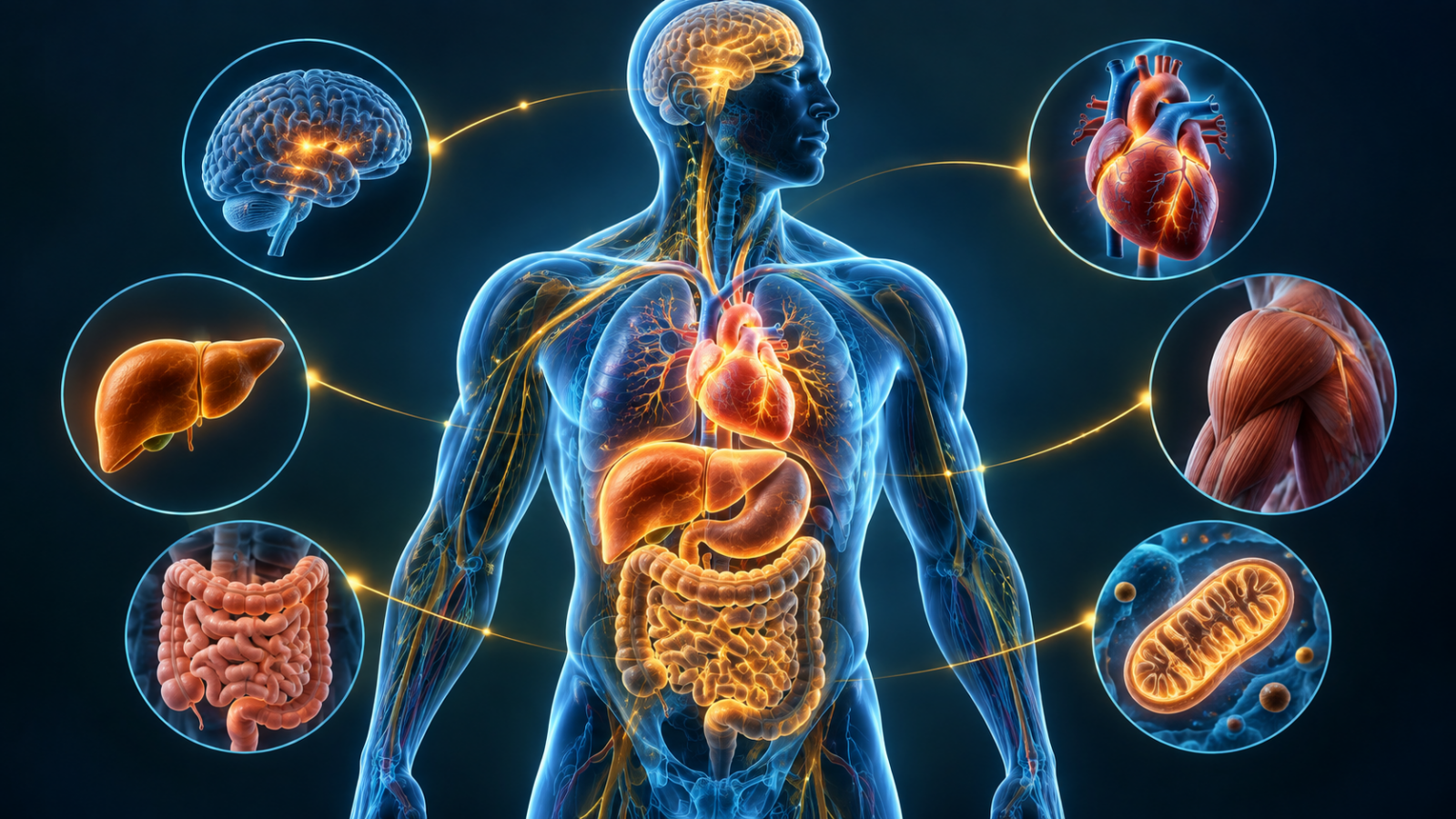
Most of the body’s creatine is stored in skeletal muscle as creatine and phosphocreatine.
Its primary job is energy.
When your muscles need energy quickly, such as during weightlifting, sprinting, or another high-intensity activity, the phosphocreatine system helps regenerate adenosine triphosphate, or ATP.
ATP is essentially the immediate energy currency your cells use to perform work.
Creatine supplementation increases the amount of creatine available to this energy system.
That is one reason creatine has consistently been associated with improved performance during repeated high-intensity exercise.
But muscle is not the only tissue that uses creatine.
The brain also has substantial energy requirements, which is why researchers are increasingly interested in creatine’s possible effects on cognition, mood, and neurological health.
Why Creatine Becomes Especially Interesting After 40
Age 40 is not a biological switch.
Muscle does not suddenly disappear on your 40th birthday.
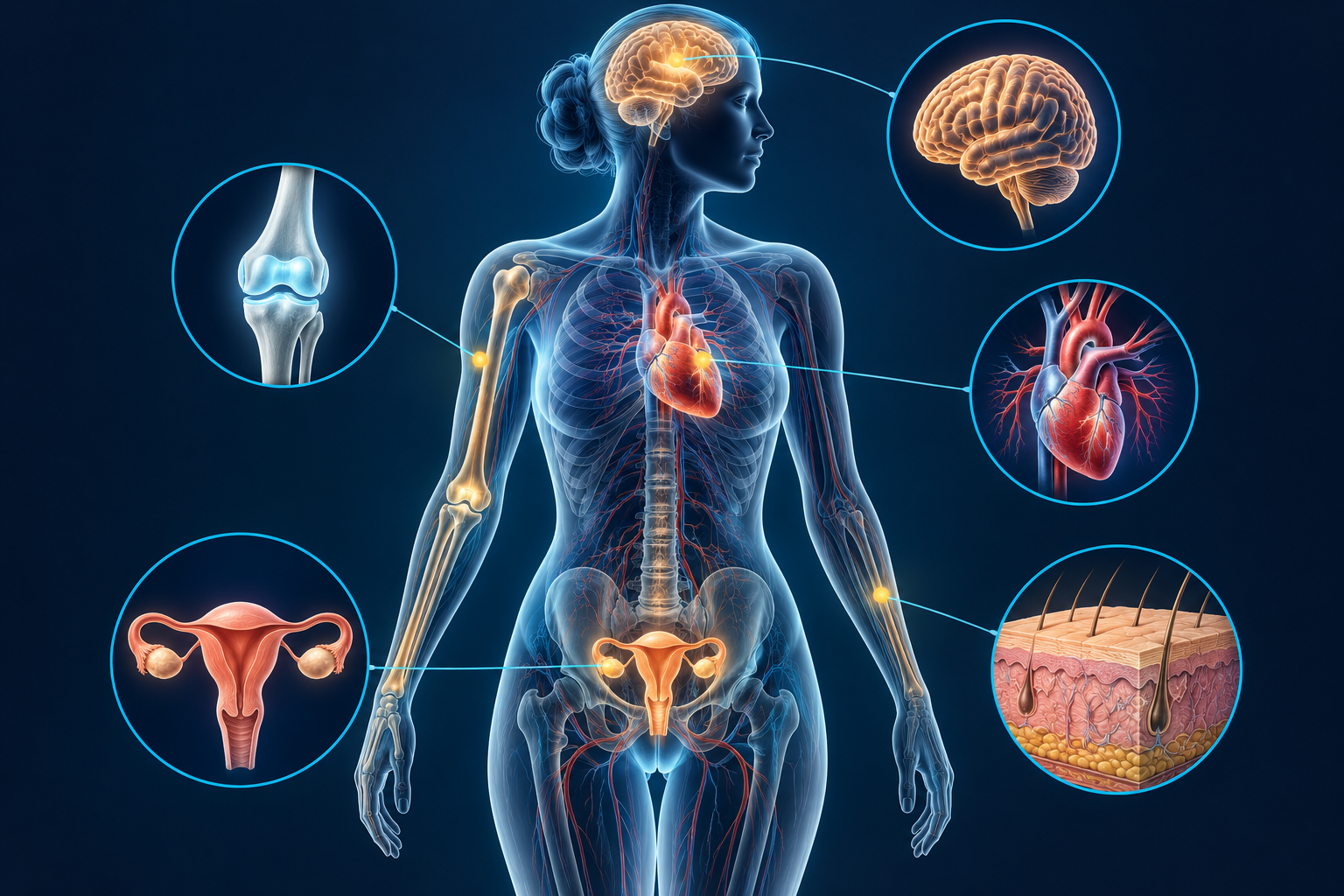
But the years surrounding perimenopause and menopause can create new challenges for maintaining strength, body composition, bone health, sleep, recovery, and overall physical performance.
Changes in estrogen are part of this picture.
At the same time, many women become less physically active, recover differently from exercise, sleep less consistently, or eat too little protein to support lean tissue.
This makes preserving muscle increasingly important.
Muscle is not simply about appearance.
Healthy skeletal muscle contributes to:
- Strength
- Mobility
- Balance
- Glucose metabolism
- Physical independence
- Metabolic health
- The ability to remain active as you age
Creatine is interesting because it may help improve the quality of resistance training and, when combined with training, may provide additional support for maintaining or increasing lean tissue.
Creatine for Women Over 40 and Muscle Mass
One of the strongest reasons to consider creatine after 40 is its potential effect on muscle.
Creatine itself does not magically build muscle.
Resistance training provides the stimulus.
Adequate protein and calories provide building materials.
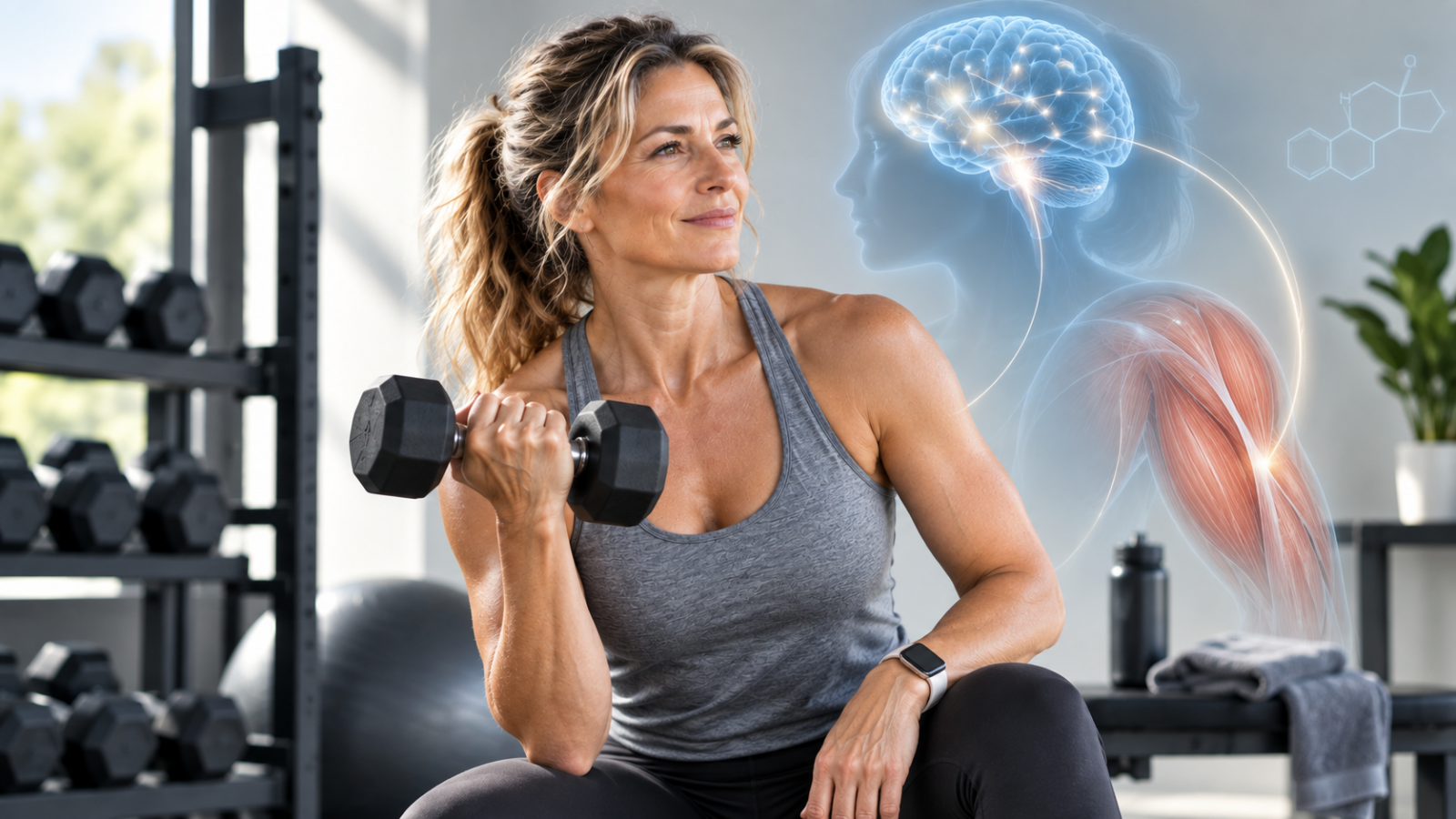
Creatine may help support the energy needed to train harder, perform more high-quality repetitions, and adapt to resistance exercise over time.
Recent research in postmenopausal women is encouraging.
A 2026 systematic review and meta-analysis evaluated seven randomized controlled trials involving 608 postmenopausal women. Overall, creatine supplementation was associated with a modest improvement in lean mass and leg-press strength.
Importantly, the clearest benefits appeared in studies combining at least 5 grams of creatine per day with resistance training. Lower doses without resistance training did not produce the same measurable effects.
That distinction matters.
Creatine works best as part of a system.
Taking creatine while remaining sedentary is unlikely to produce the same results as combining it with progressive resistance training.
For women in their 40s, 50s, and beyond, a much stronger strategy is:
Resistance training + sufficient protein + adequate recovery + creatine when appropriate
rather than expecting one supplement to solve age-related changes in muscle.
Does Creatine Help Women Get Stronger?
Potentially, yes.
Strength is one of the areas where creatine has some of its most established evidence.
By increasing phosphocreatine availability inside muscle, creatine can help the body regenerate ATP during short, intense efforts.
That can matter during exercises such as:
- Squats
- Deadlifts
- Leg presses
- Rows
- Lunges
- Chest presses
- Sprint intervals
You may be able to perform slightly more work before fatigue limits performance.
Those small differences can accumulate across hundreds of workouts.
In the recent postmenopausal meta-analysis, creatine supplementation improved leg-press one-repetition maximum by an average of approximately 7.5 kg compared with placebo across the included studies.
That does not mean every woman will experience that exact improvement.
Individual responses vary considerably depending on training history, diet, age, baseline creatine stores, dosage, adherence, and exercise programming.
But the overall evidence supports creatine as a useful adjunct to resistance training rather than a replacement for it.
Creatine, Menopause, and Muscle Loss
The menopausal transition deserves special attention.
Declining ovarian hormones are associated with changes in several systems involved in body composition and musculoskeletal health.
Women may notice:
- Reduced strength
- Changes in fat distribution
- Greater difficulty maintaining muscle
- Changes in sleep and recovery
- Reduced exercise tolerance
- Changes in bone health
This does not mean menopause automatically causes severe muscle loss.
It does mean maintaining muscle deserves greater attention during this stage of life.
A growing body of research suggests creatine combined with resistance training may provide a small but meaningful advantage in preserving or improving lean tissue and strength among postmenopausal women.
Research specifically involving perimenopausal women, however, remains much more limited.
That is an important distinction.
There is far more evidence for creatine’s effects on general exercise performance and postmenopausal muscle health than there is for using creatine specifically to treat perimenopause symptoms.
Creatine and Brain Health After 40
This is where the creatine conversation becomes especially interesting.
Your brain requires an enormous amount of energy relative to its size.
Just like skeletal muscle, brain cells use the creatine-phosphocreatine system to help regulate cellular energy.
Researchers have therefore investigated whether increasing creatine availability might support memory, attention, processing speed, or cognitive performance.
A 2024 systematic review and meta-analysis of 16 randomized controlled trials involving 492 adults found improvements in some measures of memory, attention, and processing speed with creatine supplementation.
However, researchers did not find consistent improvements across every area of cognitive function, and the certainty of evidence varied considerably between outcomes.
Another 2024 systematic review concluded that although supplementation can increase brain creatine, the evidence for meaningful cognitive improvement remains inconsistent.
So the appropriate conclusion is not:
Creatine prevents brain fog.
It is:
Creatine may support certain aspects of cognitive performance, but brain-health research is still developing.
What About Menopause Brain Fog?
Difficulty concentrating, forgetfulness, poor sleep, and the feeling of being mentally “off” are commonly discussed during perimenopause and menopause.
Researchers are now investigating whether changes in brain energy metabolism could be one part of that experience.
A small 2026 study involving 12 perimenopausal women found associations between lower brain creatine concentrations in certain regions and greater concentration difficulties.
Because the study was extremely small and observational, it cannot prove that low creatine causes brain fog or that supplementation will correct it.
Another small randomized trial involving 36 perimenopausal and menopausal women reported changes in brain creatine concentrations and reaction time following a particular creatine hydrochloride protocol.
Again, this is early research and not enough to establish creatine as a treatment for menopause-related cognitive symptoms.
For now, creatine’s potential role in female brain health should be considered promising rather than proven.
Creatine and Bone Health During Menopause
You may also see claims that creatine strengthens bones.
The story is more complicated.
Creatine could theoretically support bone health indirectly by allowing women to train harder, increase muscle strength, and place greater mechanical loading on the skeleton.
Some individual studies have reported favorable changes in bone geometry.
For example, a two-year randomized controlled trial in 237 postmenopausal women found that creatine combined with exercise did not significantly improve bone mineral density compared with placebo. However, researchers observed favorable changes in certain measurements associated with bone geometry and bending strength.
More recent meta-analytic evidence has similarly found no clear overall improvement in bone mineral density from creatine supplementation.
So creatine should not be promoted as an osteoporosis treatment.
Resistance training, adequate protein, calcium, vitamin D when appropriate, hormonal health, medication when medically indicated, and other lifestyle factors remain much more important components of bone-health management.
What Is the Best Creatine for Women Over 40?
For most people, the form with the largest body of supporting research remains:
Creatine monohydrate.
You will find numerous alternatives marketed online, including:
- Creatine hydrochloride
- Buffered creatine
- Creatine nitrate
- Creatine ethyl ester
- Creatine gummies
- Proprietary creatine blends
More expensive does not automatically mean more effective.
For general muscle and performance goals, creatine monohydrate remains the straightforward evidence-based choice.
How Much Creatine Should a Woman Over 40 Take?
A common maintenance dose is:
3 to 5 grams of creatine monohydrate daily.
Recent evidence involving postmenopausal women suggests that doses of 5 grams per day or more combined with resistance training may be particularly relevant for improvements in strength and lean mass.
Some research studies have used larger weight-based doses.
That does not mean everyone needs them.
Do you need a creatine loading phase?
Not necessarily.
A traditional loading protocol may involve taking larger amounts for approximately five to seven days before transitioning to a maintenance dose.
Loading fills muscle creatine stores more quickly.
But taking a smaller daily amount consistently can also increase stores over time.
For most women using creatine for general health and training, simplicity and consistency are often more valuable than complicated supplementation protocols.
When Should You Take Creatine?
Creatine timing is much less important than taking it consistently.
You can take it:
- In the morning
- Before training
- After training
- With a meal
- In a protein shake
Choose whatever makes it easiest to remember.
Creatine works by increasing tissue creatine stores over time, so it is not comparable to caffeine or a stimulant that needs to be timed immediately before exercise.
Will Creatine Make Women Gain Weight?
Possibly.
But context matters.
Creatine increases water storage inside muscle cells.
As muscle creatine stores rise, some people notice a small increase in body weight.
This is not the same as gaining body fat.
In fact, intracellular water is part of the normal mechanism associated with creatine storage inside muscle.
Women who monitor the scale very closely should understand this before starting supplementation.
A slightly higher scale weight does not automatically mean your body composition has worsened.
This is another reason measurements such as strength, waist circumference, body composition, energy, and exercise performance can be more informative than body weight alone.
Does Creatine Cause Bloating?
Some people experience temporary digestive discomfort, especially when taking large amounts at once.
If that happens, strategies may include:
- Using a smaller daily dose
- Avoiding unnecessary loading phases
- Mixing creatine thoroughly in fluid
- Taking it with food
- Splitting larger doses
Persistent gastrointestinal symptoms should not simply be ignored.
Is Creatine Safe for Women Over 40?
For generally healthy adults, creatine has one of the larger safety databases among commonly used sports supplements.
But one laboratory issue deserves attention.
Creatine supplementation can increase blood creatinine.
Creatinine is also commonly used when estimating kidney filtration.
That means someone taking creatine may occasionally show an increase in serum creatinine that does not necessarily represent kidney injury.
Recent systematic reviews have found that creatine supplementation may modestly increase serum creatinine while other measures do not demonstrate corresponding evidence of impaired kidney function.
This makes medical context important.
Tell your clinician if you take creatine, particularly when having kidney function evaluated.
Women with known kidney disease, significant medical conditions, or medications affecting kidney function should discuss supplementation with an appropriate healthcare professional before starting it.
Creatine Is Not a Replacement for Protein
This is one of the biggest misconceptions around creatine.
Creatine and protein perform different jobs.
Protein supplies amino acids your body needs to repair and build tissue.
Creatine primarily supports cellular energy availability.
For women trying to preserve muscle after 40, the bigger picture matters:
1. Resistance training
Muscle needs a reason to stay.
Progressively challenging your muscles remains one of the most powerful tools available for preserving strength and physical function.
2. Adequate protein
Protein needs vary based on body size, age, activity, calorie intake, health status, and training goals.
3. Adequate energy intake
Chronically under-eating while trying to build or maintain muscle can work against you.
4. Recovery
Sleep, stress, training volume, and recovery affect how well you adapt to exercise.
5. Hormonal and metabolic health
Persistent fatigue, unexplained muscle loss, poor recovery, sleep disruption, menstrual changes, and other symptoms deserve proper evaluation rather than being automatically blamed on aging.
6. Creatine
Creatine can complement these fundamentals.
It cannot replace them.
Who May Benefit Most From Creatine After 40?
Creatine may be particularly worth discussing if you are a woman over 40 who:
- Strength trains regularly
- Wants to maintain muscle while aging
- Wants to improve strength or training performance
- Eats little or no meat
- Is entering perimenopause or menopause and prioritizing muscle preservation
- Wants to maintain physical capacity as she gets older
The decision should still reflect your individual medical history, medications, kidney health, diet, training program, and goals.
The Bottom Line on Creatine for Women Over 40
Creatine is no longer just a supplement for male bodybuilders.
For women over 40, creatine monohydrate is emerging as an inexpensive and well-studied tool that may support muscle strength, lean mass, exercise performance, and possibly certain aspects of cognitive health.
The strongest message from the research is also one of the simplest:
Creatine appears most useful when it supports the right foundations.
Lift weights.
Eat enough protein.
Recover properly.
Pay attention to sleep.
Address hormonal and metabolic problems when they are actually present.
Then consider creatine as one additional tool.
For postmenopausal women specifically, recent research suggests that creatine combined with resistance training may produce modest improvements in lean mass and strength. Its effects on bone density remain uncertain, while potential benefits for brain health and menopause-related cognitive symptoms remain promising but not yet established.
That is a much more useful message than calling creatine a miracle supplement.
Your goal after 40 should not simply be to weigh less.
It should be to build a body and brain that continue performing well for decades.
Frequently Asked Questions
Is creatine good for women over 40?
Creatine may help women over 40 support strength, exercise performance, and lean muscle, particularly when combined with resistance training. Research into cognitive and menopause-specific benefits is growing but remains less definitive.
Should women take creatine during menopause?
Creatine may be useful for postmenopausal women who are resistance training and trying to preserve muscle and strength. It should not be viewed as a treatment for menopause itself.
How much creatine should a 40-year-old woman take?
A common maintenance amount is 3 to 5 grams of creatine monohydrate per day. Individual circumstances can differ, so women with medical conditions or kidney concerns should discuss supplementation with their healthcare professional.
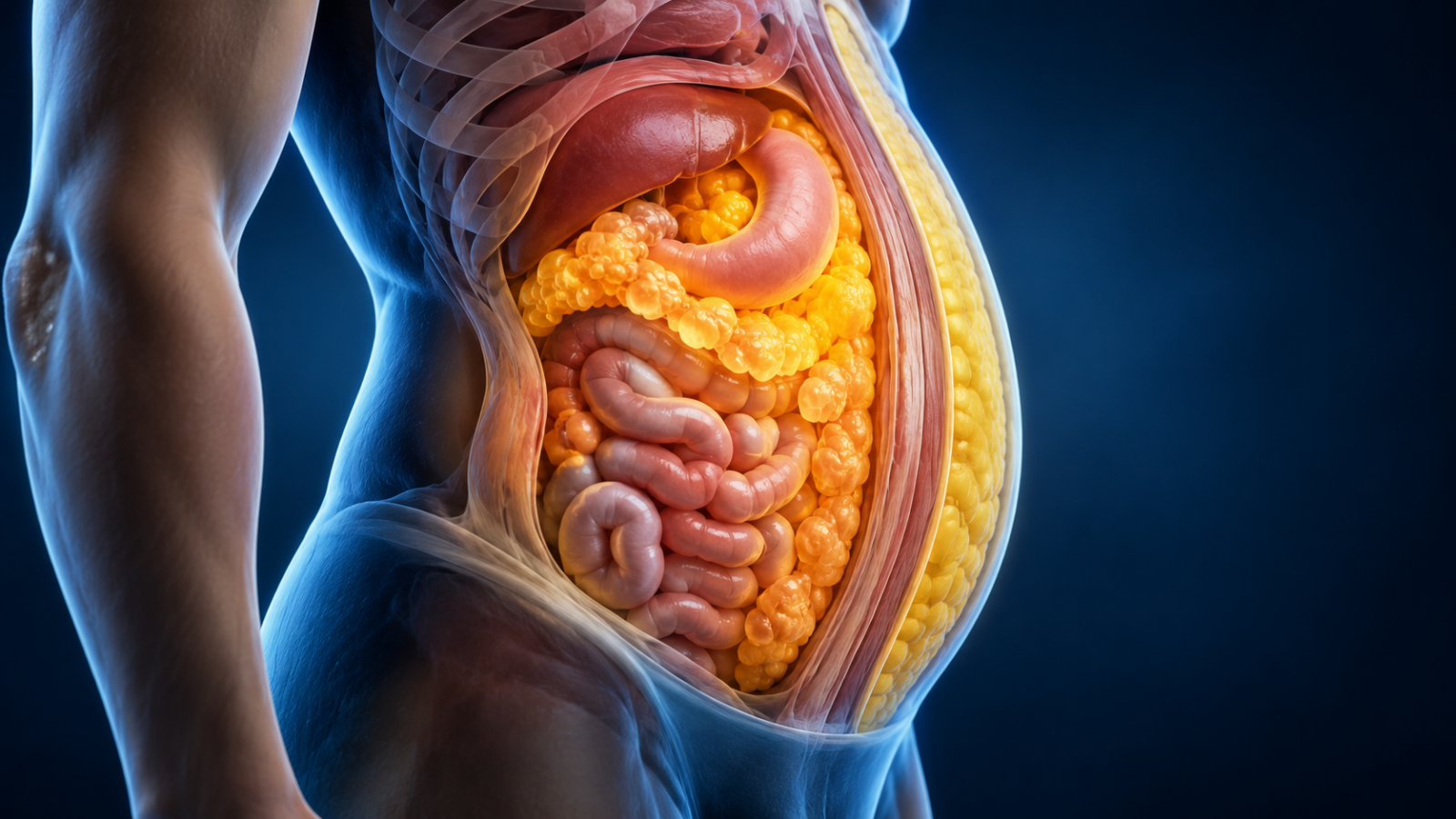
Does creatine help with menopause belly fat?
Creatine is not a fat-loss supplement and does not specifically target abdominal fat. Its primary potential benefits involve exercise performance, strength, and lean tissue. Changes in abdominal fat are influenced by overall energy balance, activity, sleep, hormones, genetics, and other metabolic factors.
Does creatine help menopause brain fog?
Researchers are investigating this question, but there is not currently enough evidence to say that creatine treats menopause-related brain fog. Some studies suggest possible benefits for aspects of cognition and brain energy metabolism, but the evidence remains preliminary.
Does creatine make women bulky?
Creatine alone does not suddenly create large amounts of muscle. Building substantial muscle requires progressive resistance training, appropriate nutrition, time, and sufficient training stimulus.
Can you take creatine every day?
Creatine is commonly taken daily because consistent supplementation helps maintain elevated tissue creatine stores. People with underlying medical conditions should confirm whether supplementation is appropriate for them.
What type of creatine is best for women?
Creatine monohydrate has the largest body of supporting research and is generally the first form to consider unless a healthcare professional recommends otherwise.
References
- Creatine monohydrate for lean mass, strength, and bone density in postmenopausal women: a systematic review and meta-analysis. Seven randomized trials involving 608 postmenopausal women were analyzed.
- Creatine in women’s health: bridging the gap from menstruation through pregnancy to menopause. Review of female-specific creatine research and remaining evidence gaps.
- A 2-year randomized controlled trial on creatine supplementation during exercise for postmenopausal bone health.
- The effects of creatine supplementation on cognitive function in adults: systematic review and meta-analysis.
- Creatine supplementation research and cognition: systematic review examining the limitations and inconsistency of current cognitive evidence.
- Brain creatine, estradiol and neurocognitive complaints in perimenopausal women: exploratory research examining brain creatine and concentration difficulties.
- Effect of creatine supplementation on kidney function: systematic review and meta-analysis.
Medical Disclaimer: This article is for educational purposes only and is not medical advice. Supplement needs and safety can vary based on medical history, medications, kidney function, pregnancy status, and other factors. Speak with a qualified healthcare professional before beginning a new supplement if you have medical concerns.