
GLP-1 Maintenance: What Happens After You Reach Your Goal Weight?

Reaching your goal weight with GLP-1 medication is a major milestone. But there’s a question many people don’t think about until they get there: What happens next? Do you stop taking semaglutide or tirzepatide? Lower your dose? Continue treatment indefinitely? And perhaps the biggest concern: Will the weight come back? These questions matter because losing […]
Peptides for Fat Loss: What Works, What Doesn’t, and What’s FDA Approved
Peptides have become one of the most talked-about categories in weight loss. Search online and you will see everything from semaglutide and tirzepatide to AOD-9604, CJC-1295, ipamorelin, and retatrutide described as “fat-loss peptides.” But these compounds are not interchangeable. Some peptide-based medications have been tested in thousands of people, evaluated in large randomized clinical trials, […]
GLP-1 Maintenance After Goal Weight: Do You Stay on Semaglutide or Tirzepatide?

Reaching your goal weight on a GLP-1 medication can feel like crossing the finish line. But from a metabolic standpoint, it may be closer to entering a new phase of treatment. Once the scale reaches the number you were working toward, several questions usually come next: Do I stay on the medication? Should my dose […]
How Much Protein Do You Really Need While Taking a GLP-1?
GLP-1 medications can make eating less dramatically easier. That is part of why they can be so effective for weight management. But there is an important question that often gets overlooked: When your appetite drops, are you still eating enough protein to protect your muscle? Medications such as semaglutide and tirzepatide can significantly reduce hunger […]
Why Some People Don’t Lose Weight on GLP-1 Medications

If you started a GLP-1 medication expecting the weight to fall off quickly, but the scale is barely moving, it can be frustrating. It can also be completely different from what you see online. GLP-1 medications can produce substantial weight loss for many people, but the response is not identical for everyone. In the STEP […]
FDA Approves Mounjaro (Tirzepatide) to Reduce Cardiovascular Risk in Adults With Type 2 Diabetes

For years, medications such as Mounjaro have been discussed primarily in the context of blood sugar control and weight loss. That conversation just expanded. On August 28, 2026, the U.S. Food and Drug Administration approved Mounjaro (tirzepatide) to reduce the risk of major cardiovascular events in adults with type 2 diabetes who are at high […]
The Gut–GLP-1 Connection: How Your Microbiome Influences Weight Loss
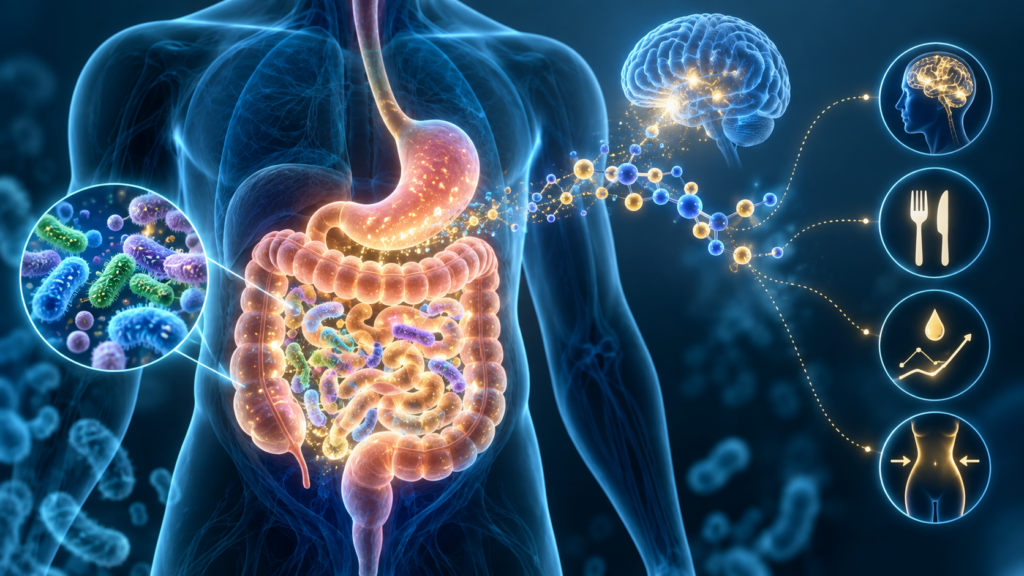
When most people hear GLP-1, they think of medications like semaglutide or tirzepatide. But GLP-1 did not begin with a prescription. Your body naturally produces glucagon-like peptide-1, or GLP-1, inside the gastrointestinal tract after you eat. It is one of several hormones involved in appetite, blood sugar regulation, digestion, and energy balance. And emerging research […]
Compounded vs. FDA-Approved GLP-1 Medications

GLP-1 medications have changed the conversation around obesity treatment, metabolic health, and type 2 diabetes. Medications containing semaglutide and tirzepatide have become especially well known because of their ability to improve blood sugar regulation and, for certain FDA-approved products and indications, support significant weight loss. Their popularity has also created another market: compounded GLP-1 medications. […]
GHK-Cu for Skin and Hair: Topical vs. Injectable Options
GHK-Cu has become one of the most discussed peptides in the skin, hair, and longevity space. You may have seen it in copper peptide serums marketed for healthier-looking skin. You may also have encountered clinics discussing GHK-Cu injections as part of regenerative or peptide-based protocols. But topical and injectable GHK-Cu are not interchangeable. The two […]
Can Peptides Slow Aging? Separating Mechanisms From Human Outcomes

Peptides have become one of the most talked-about areas in longevity medicine. Some are promoted for improving recovery. Others are associated with muscle growth, metabolic health, sleep, skin repair, inflammation, mitochondrial function or hormone signaling. Then the conversation often takes a much bigger leap: Can peptides actually slow aging? Biologically, there are reasons researchers are […]